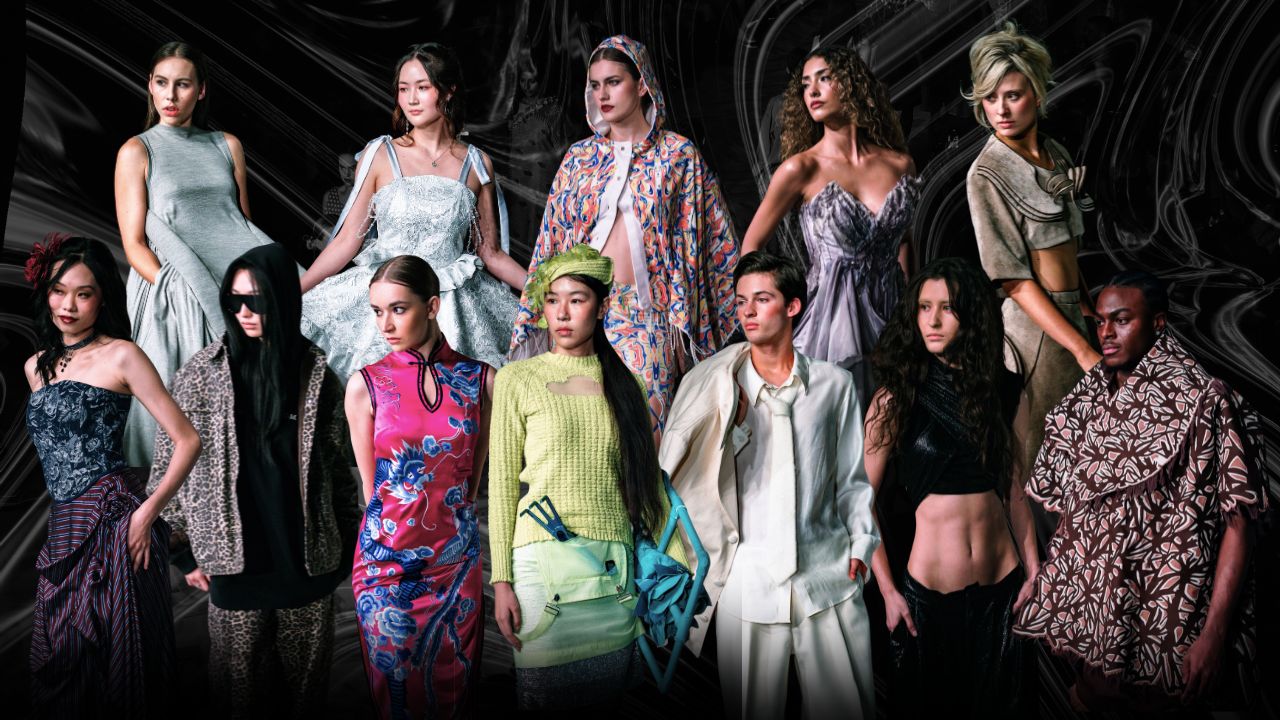
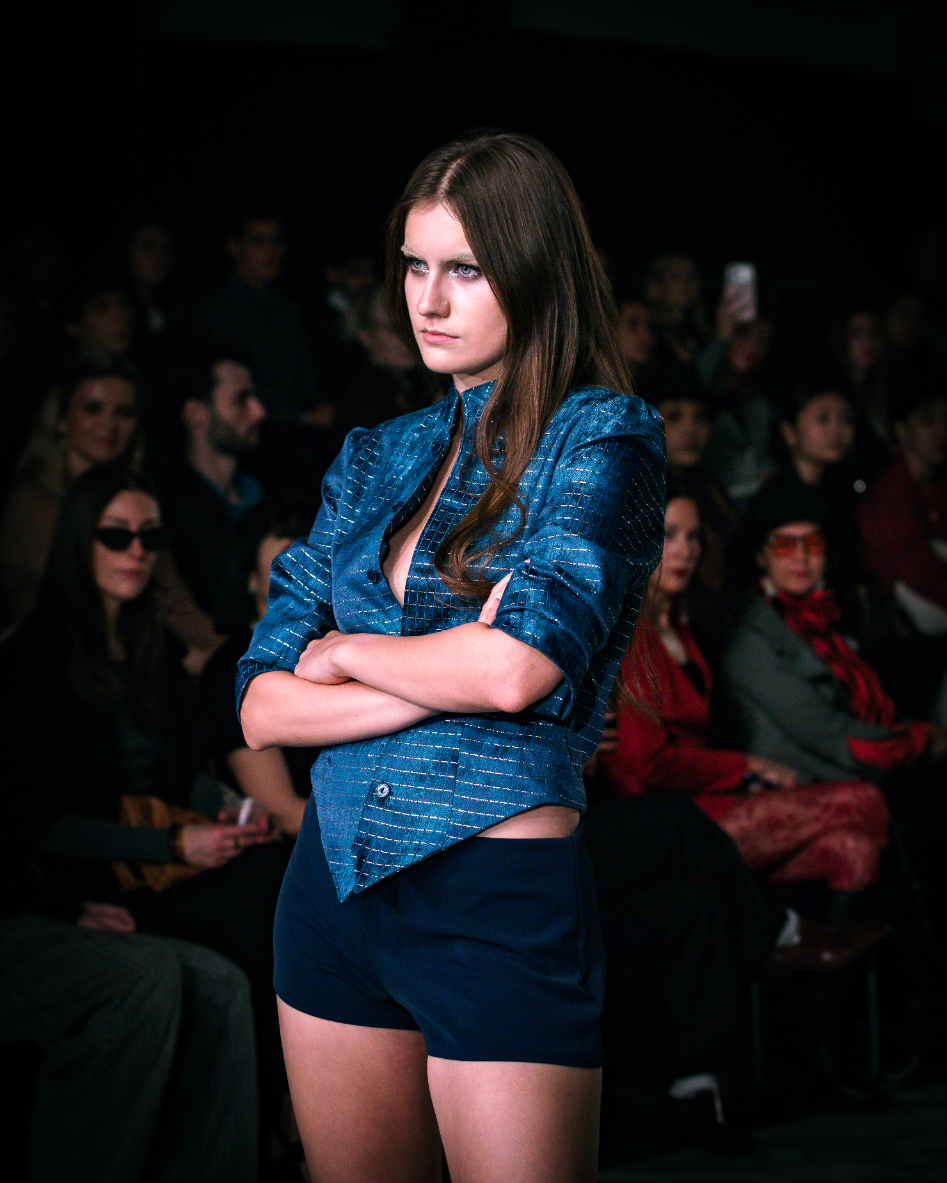
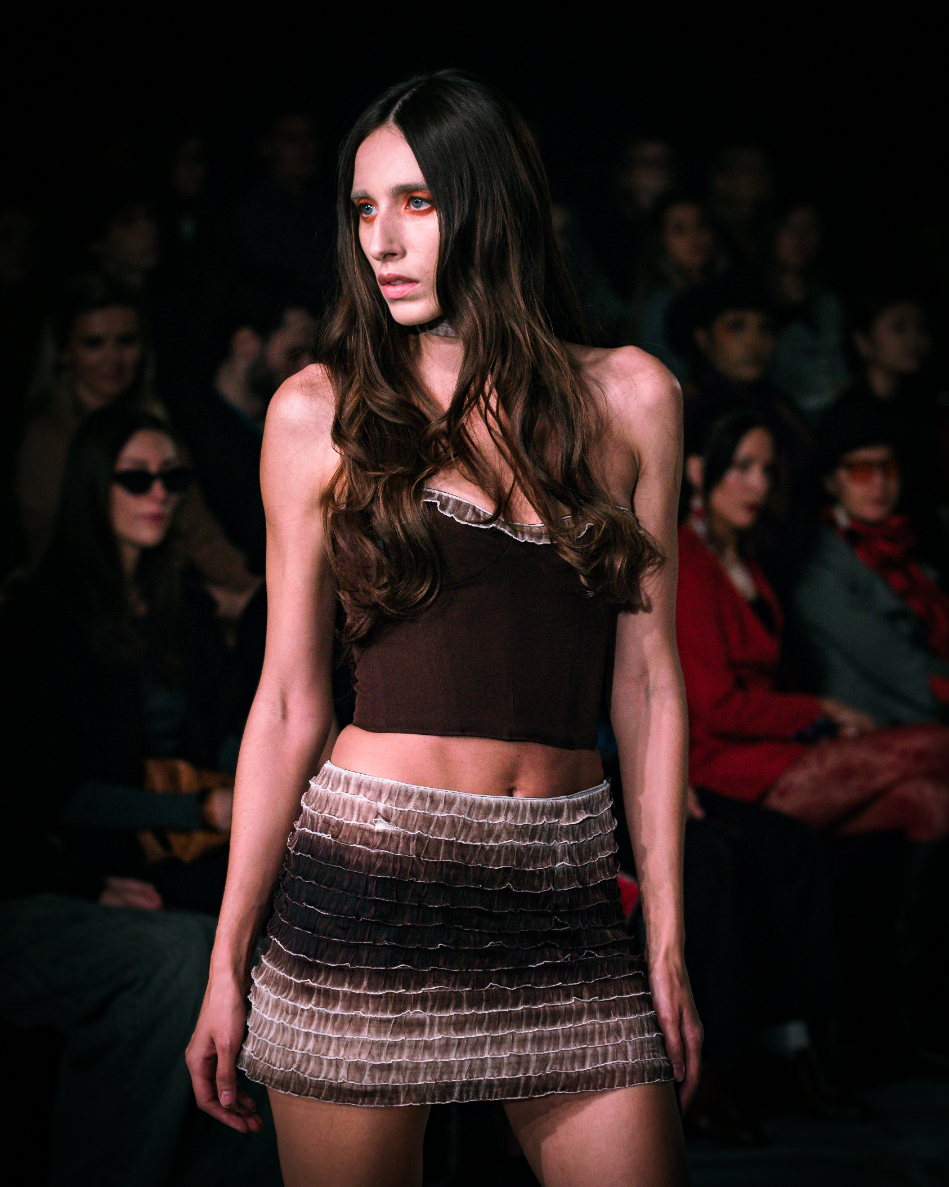
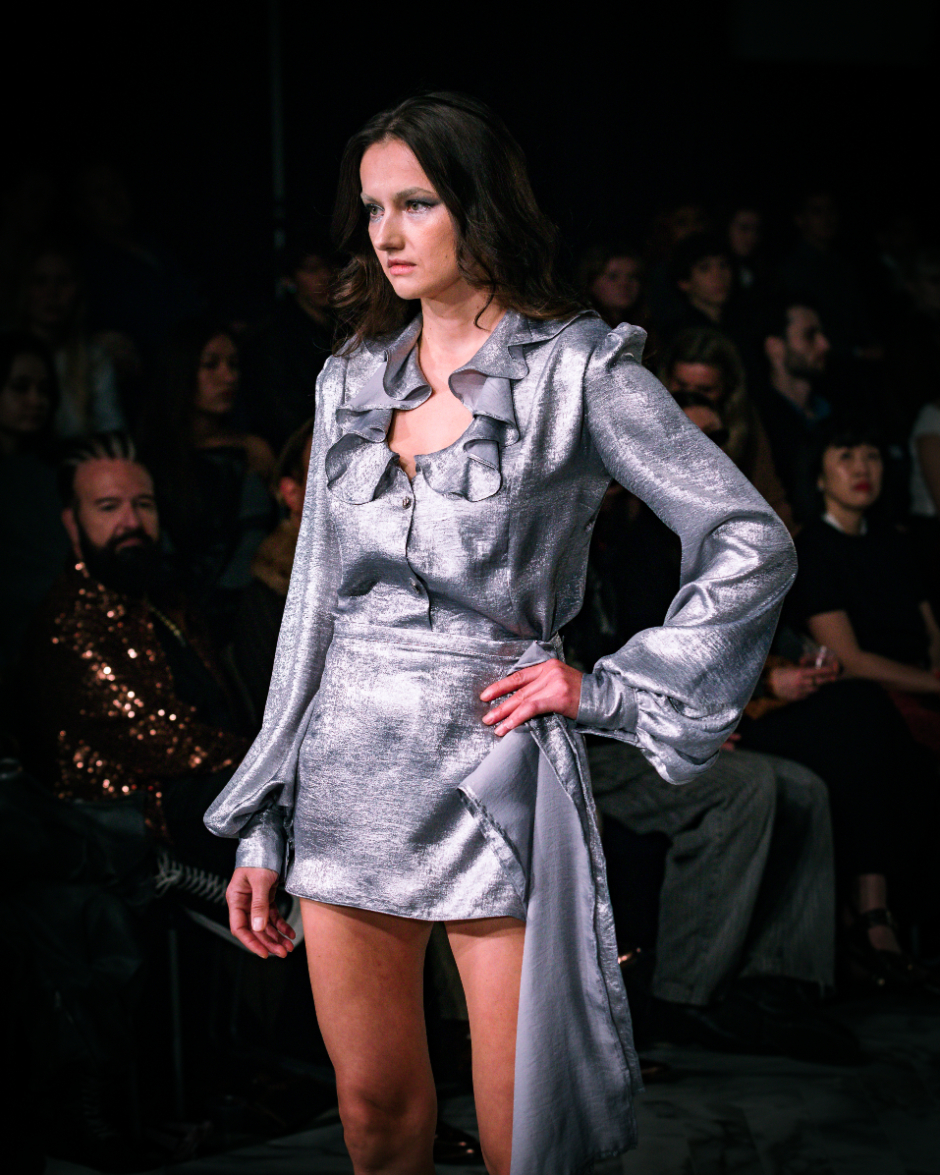
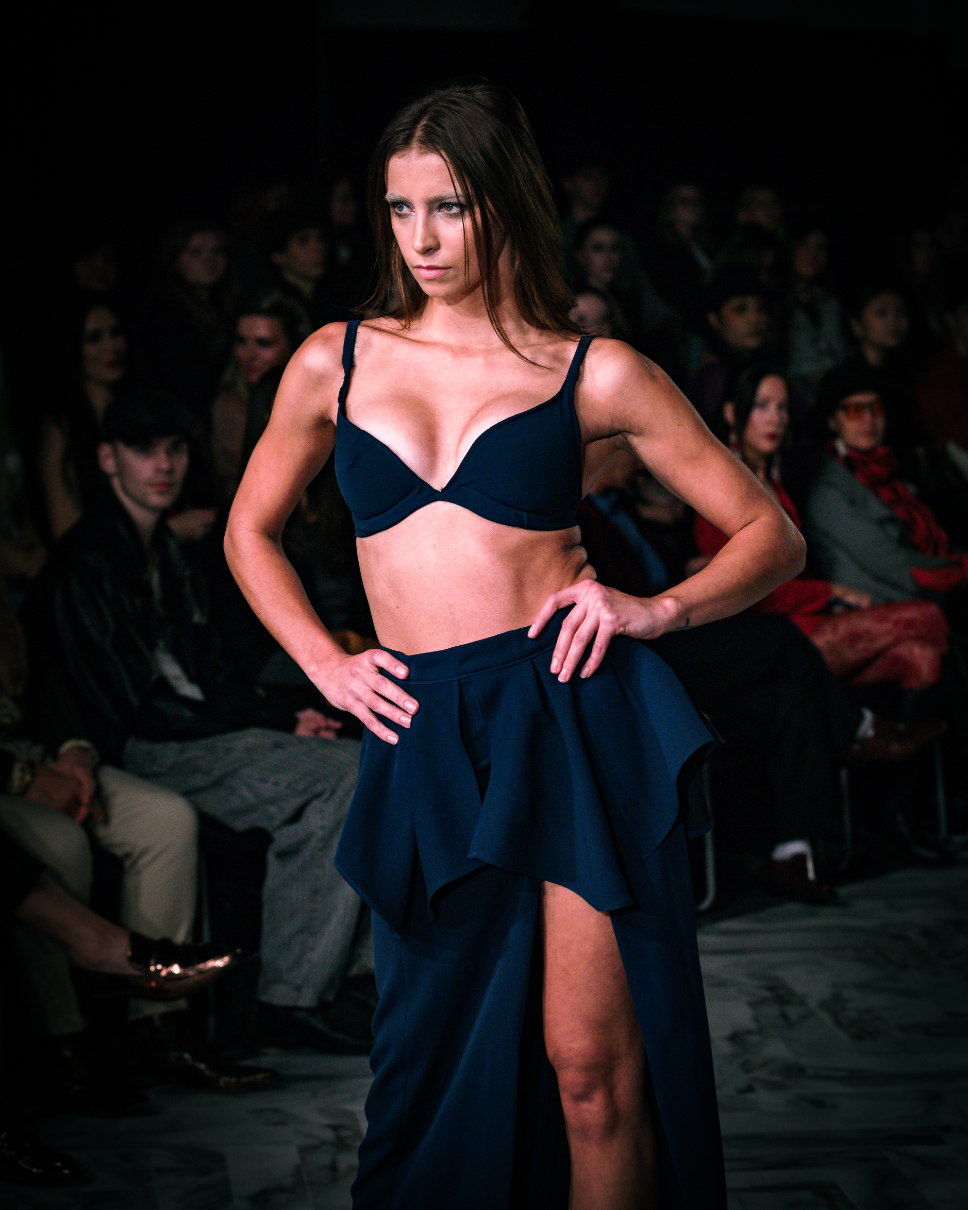
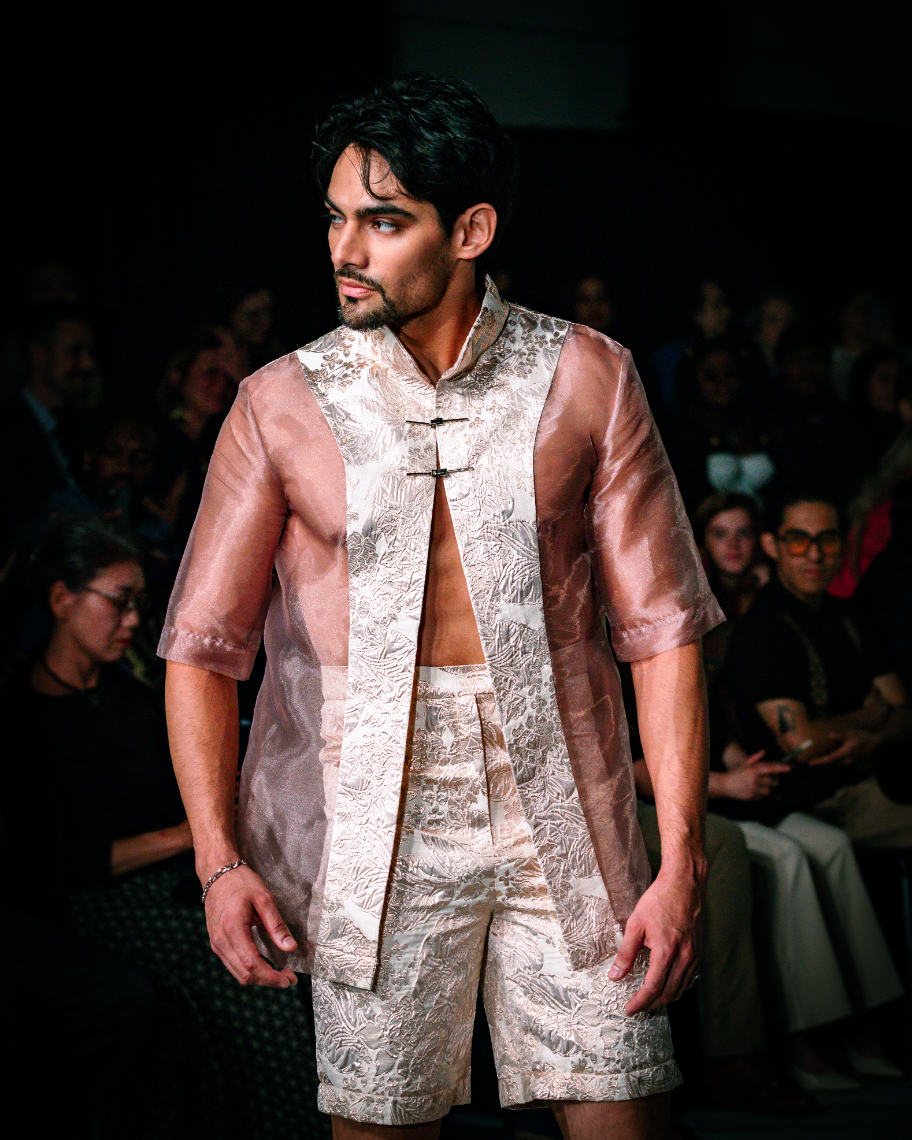
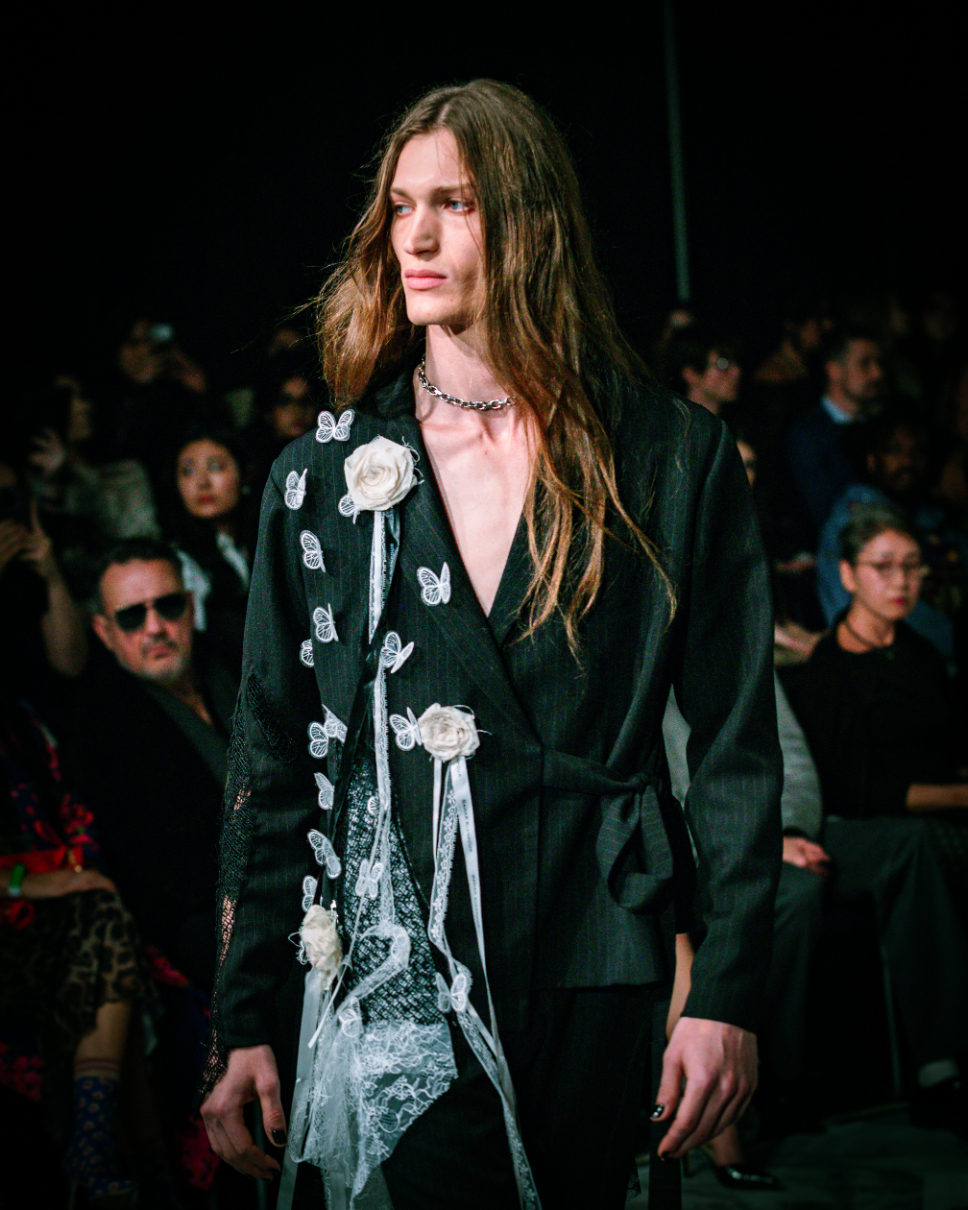
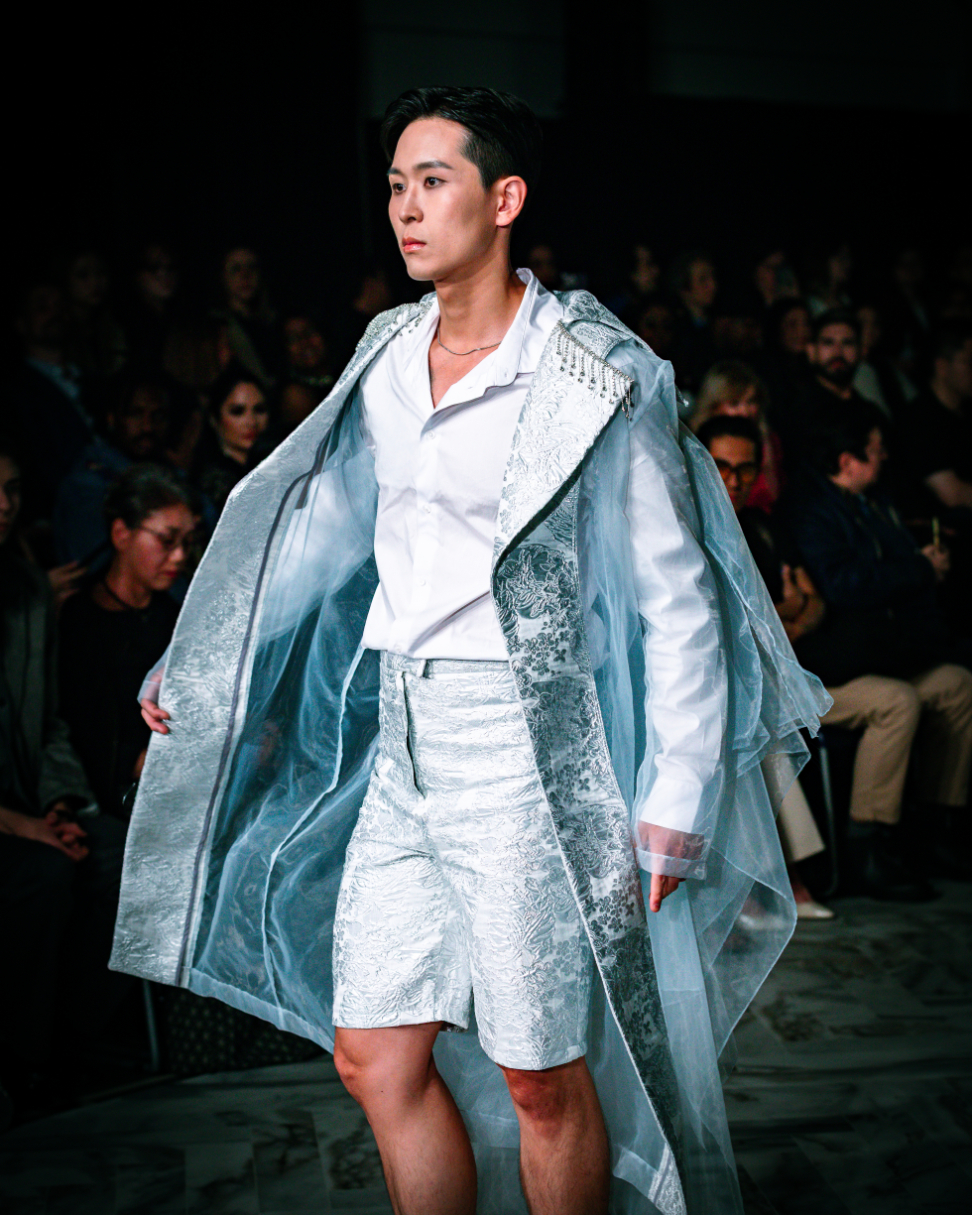
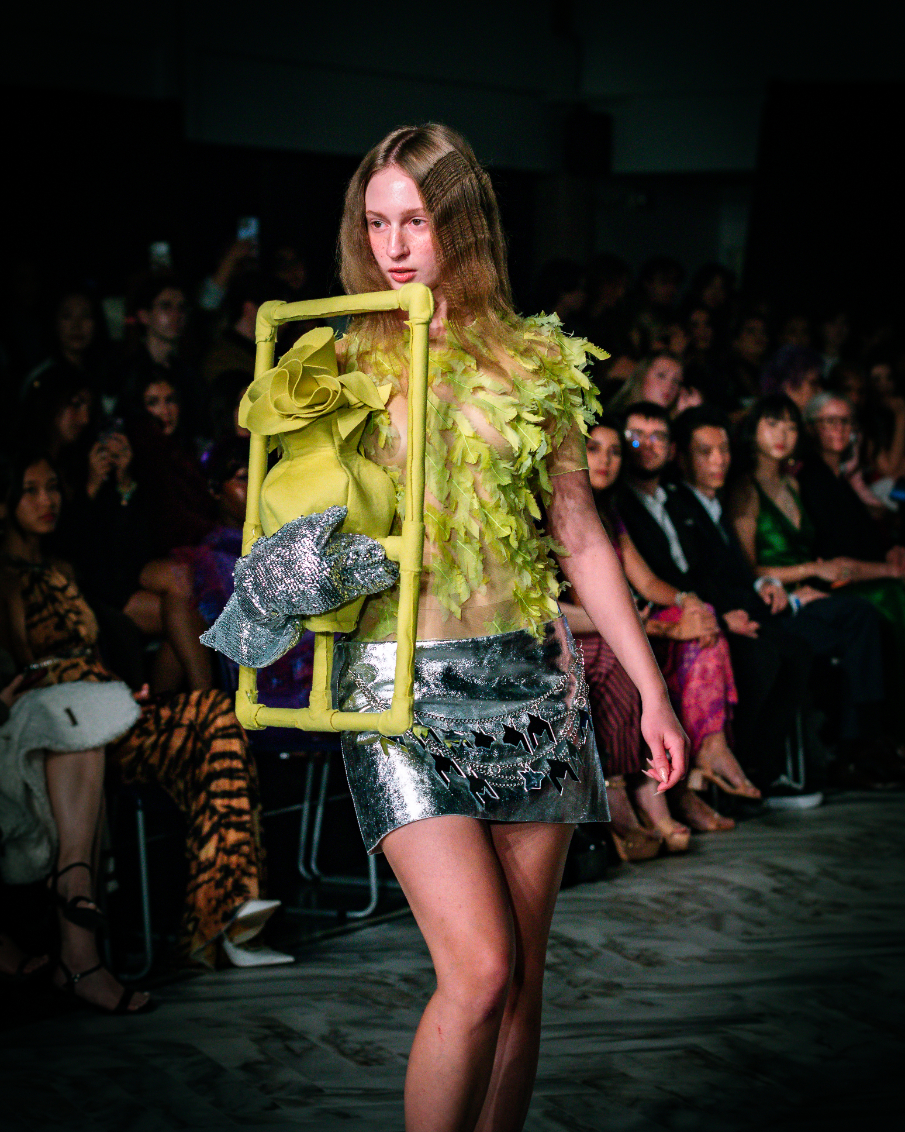
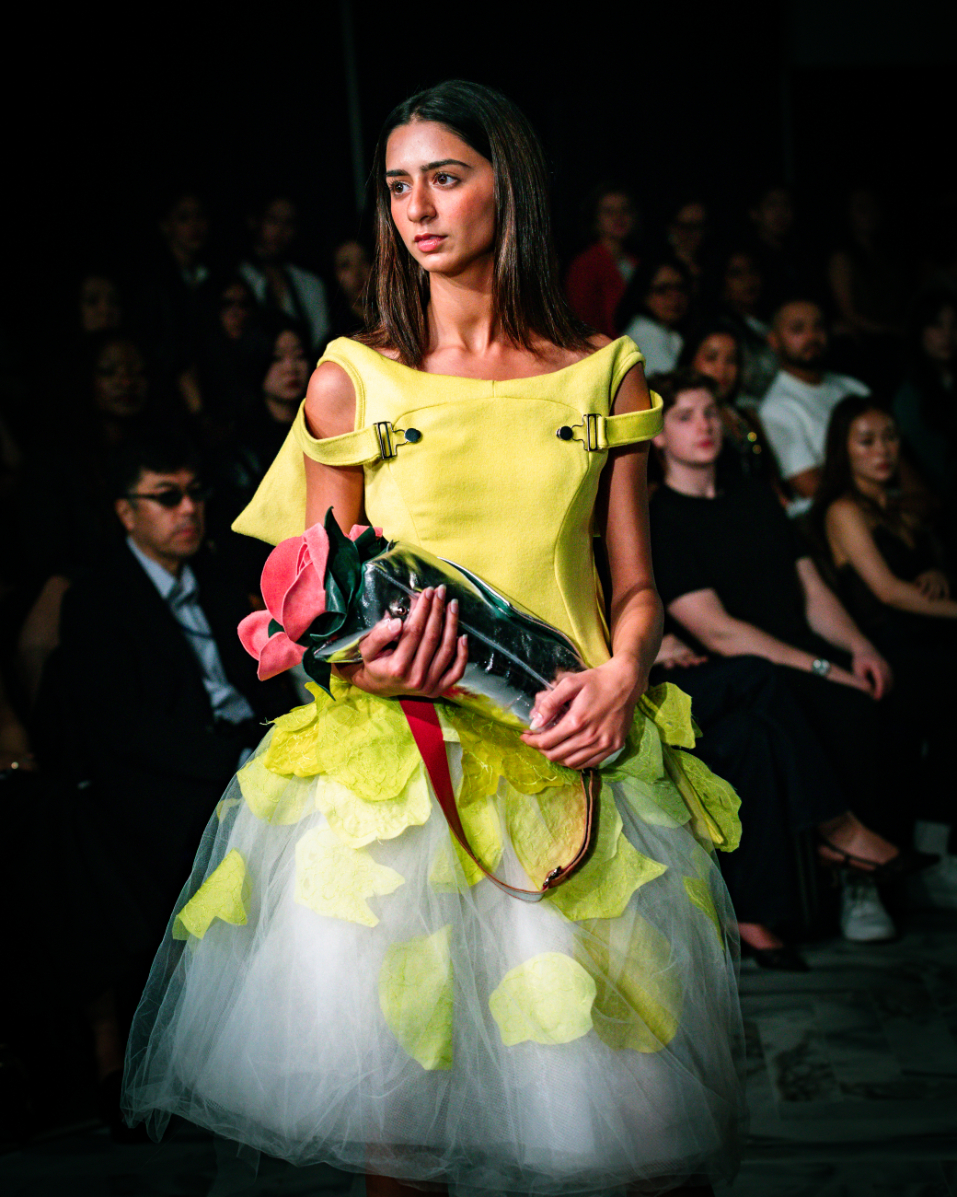
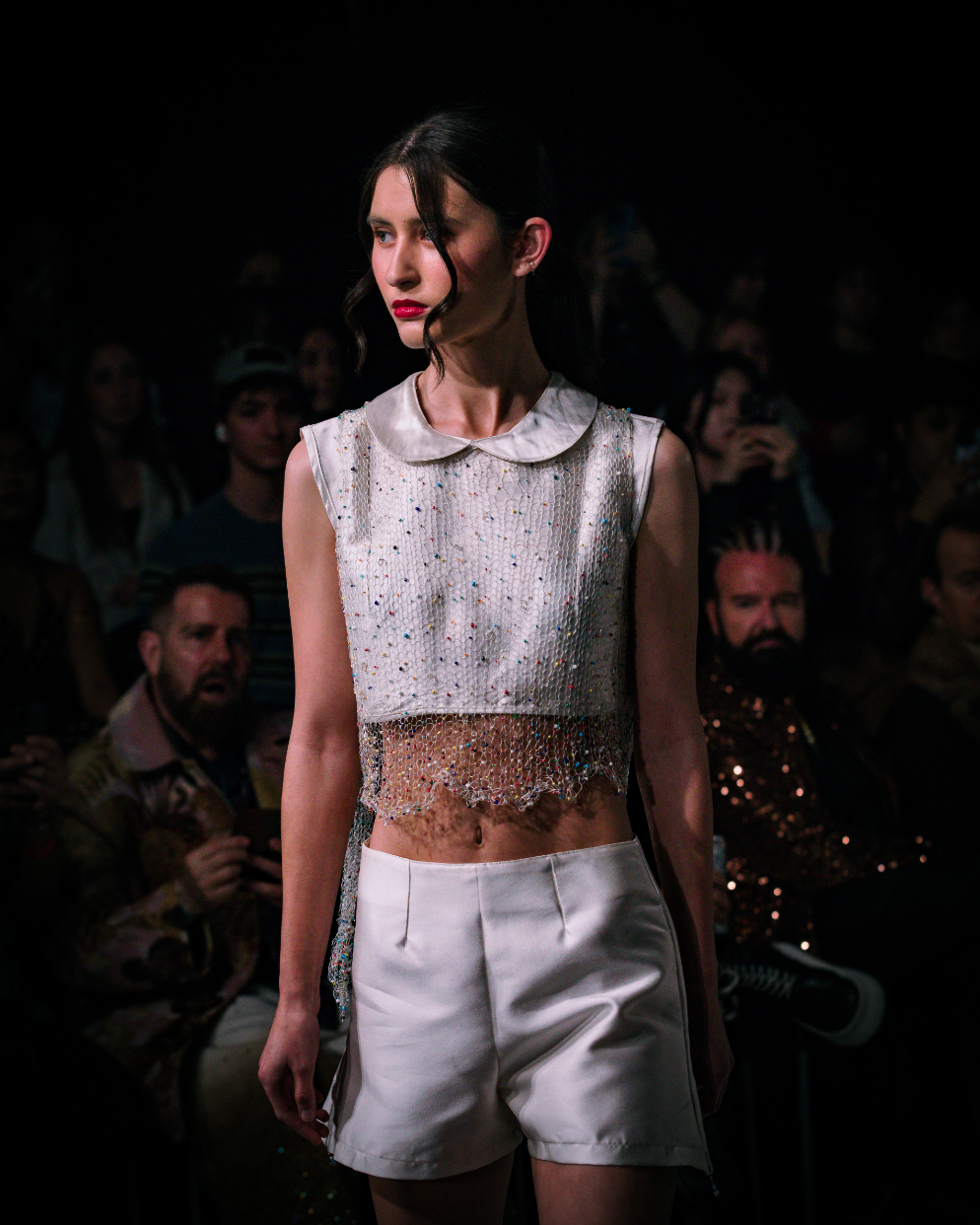
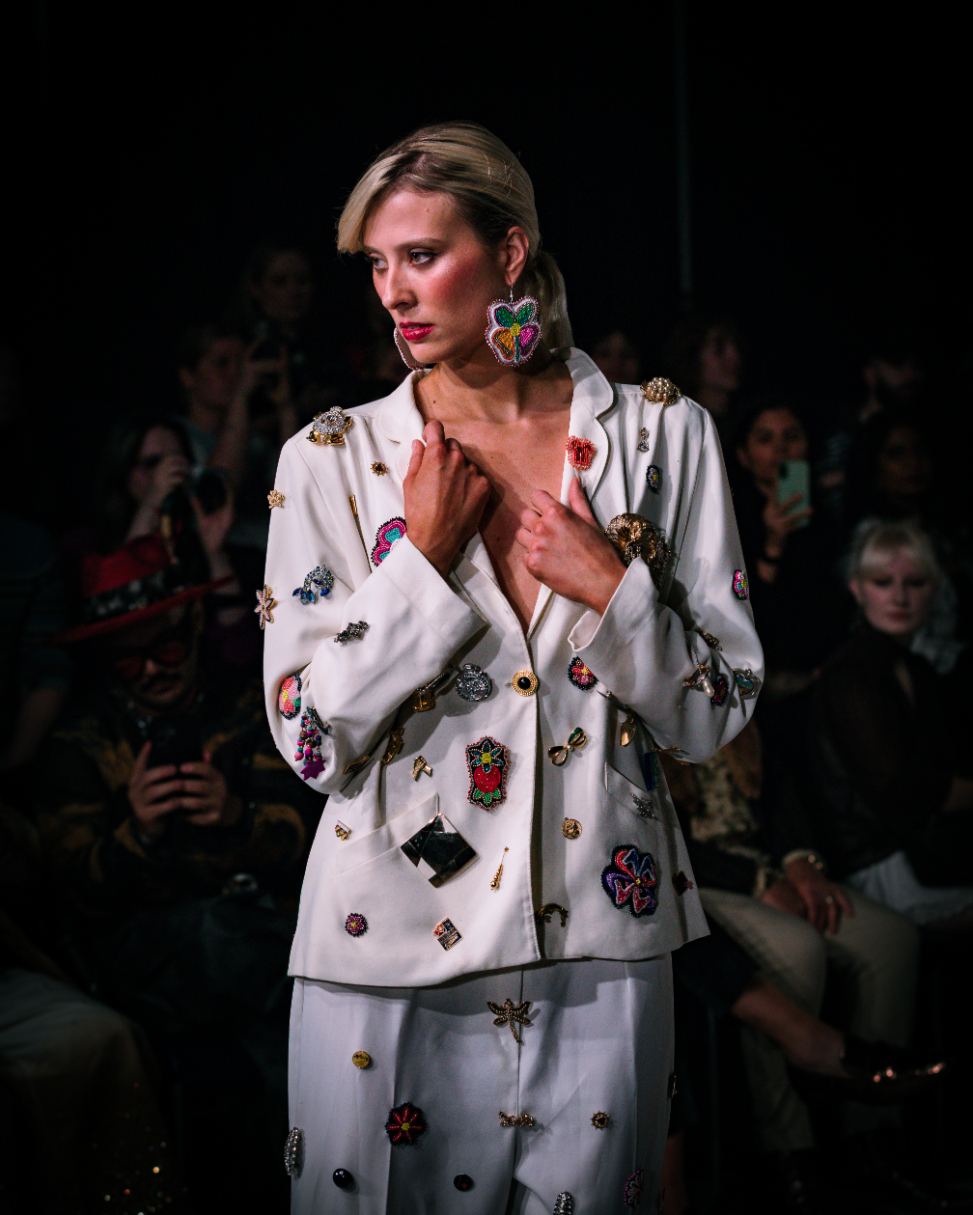
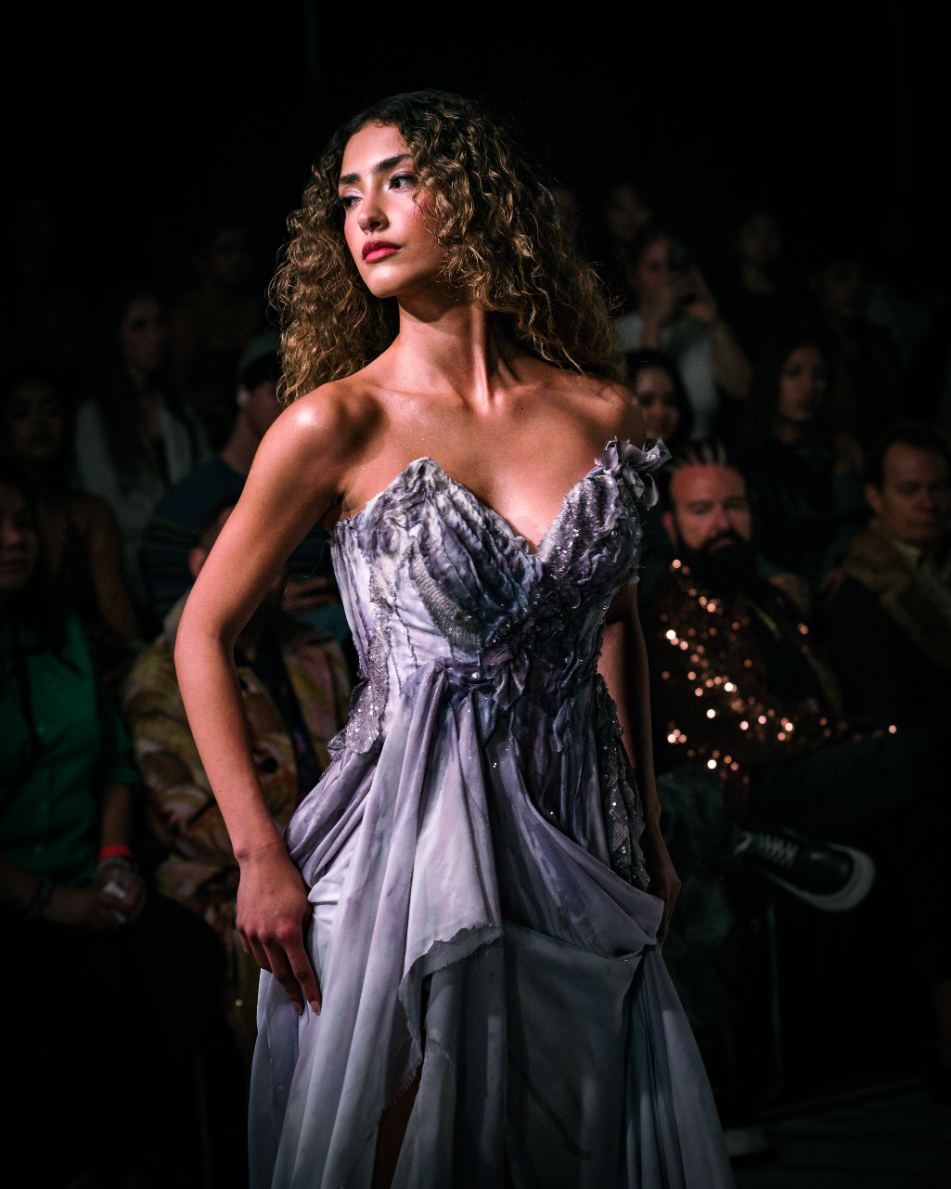
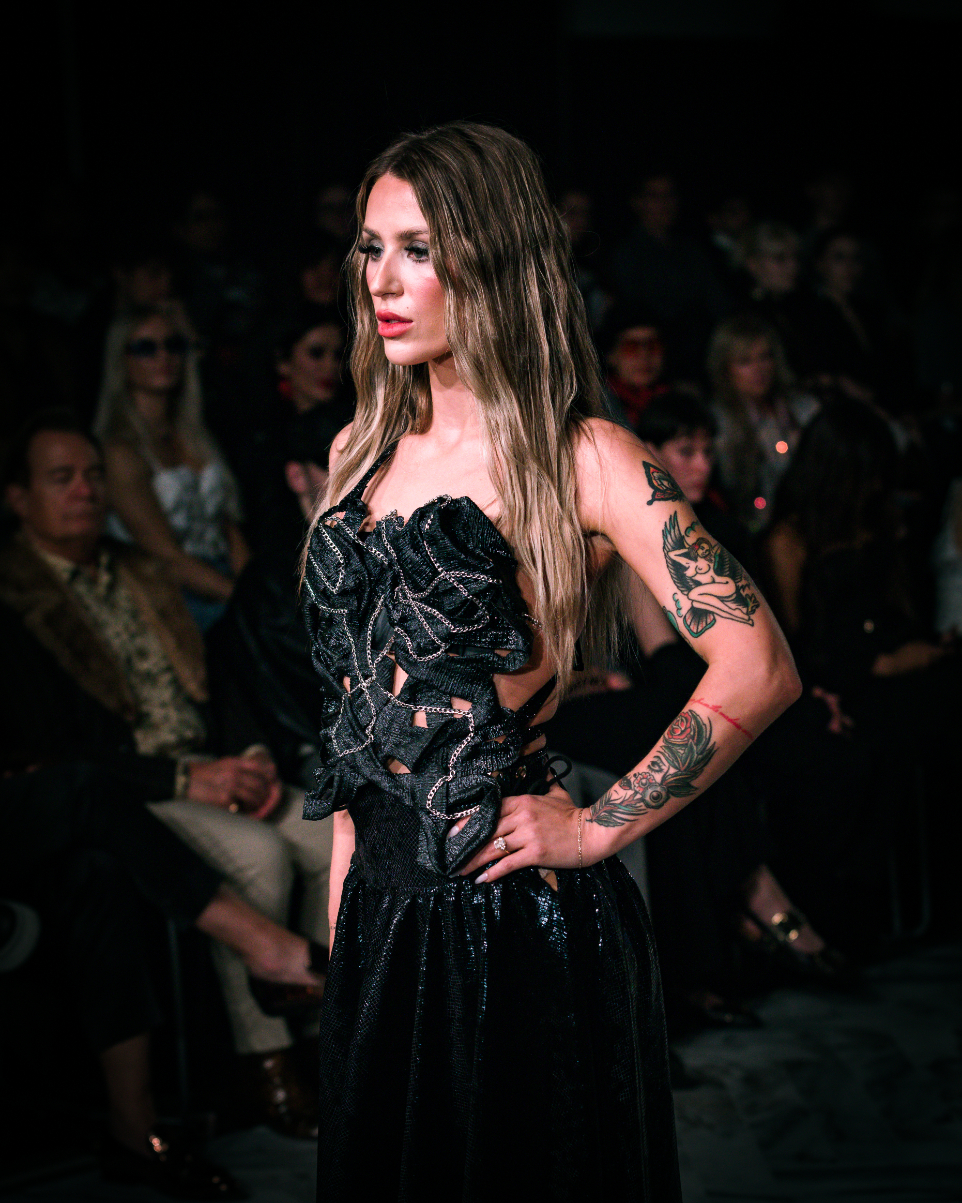
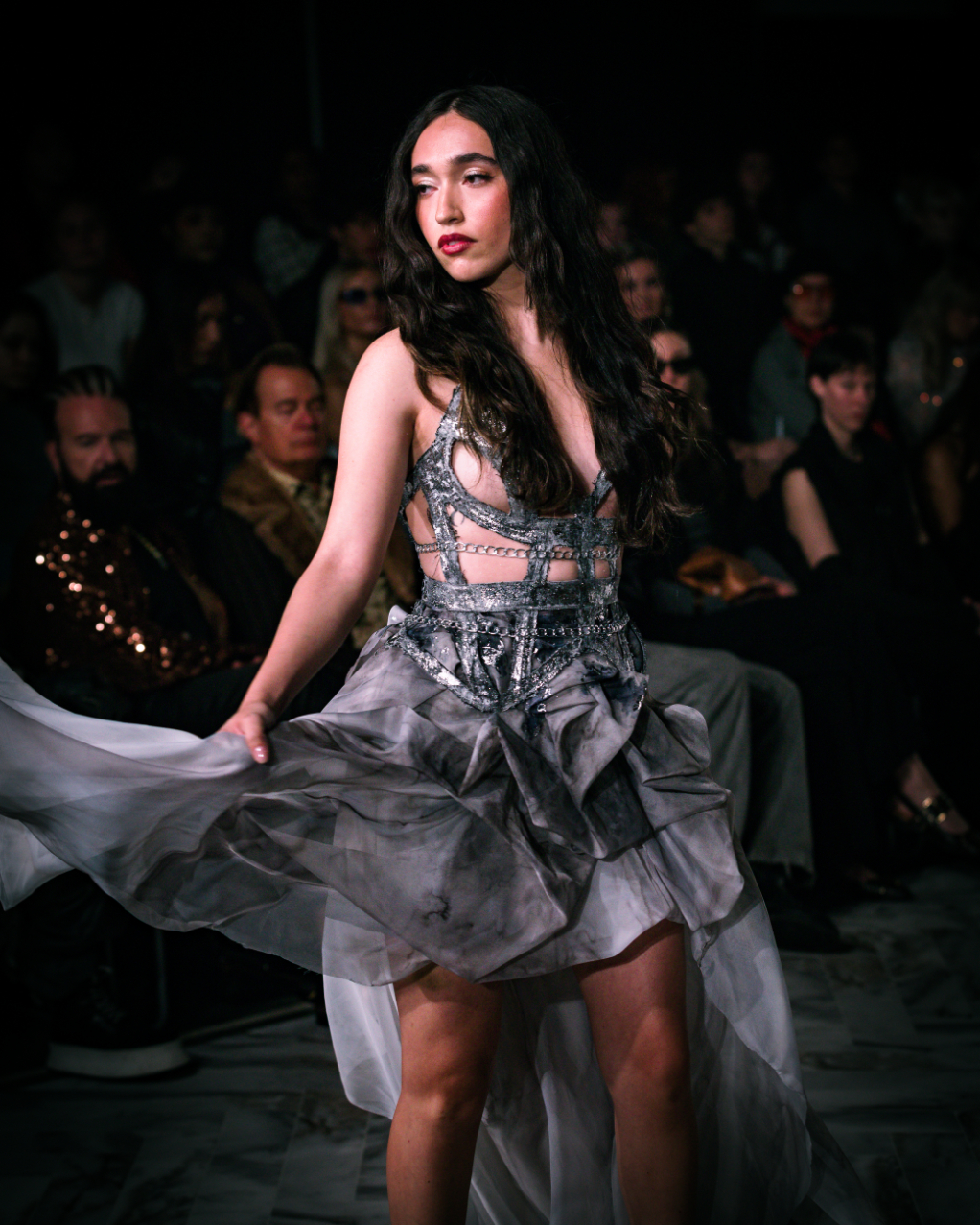
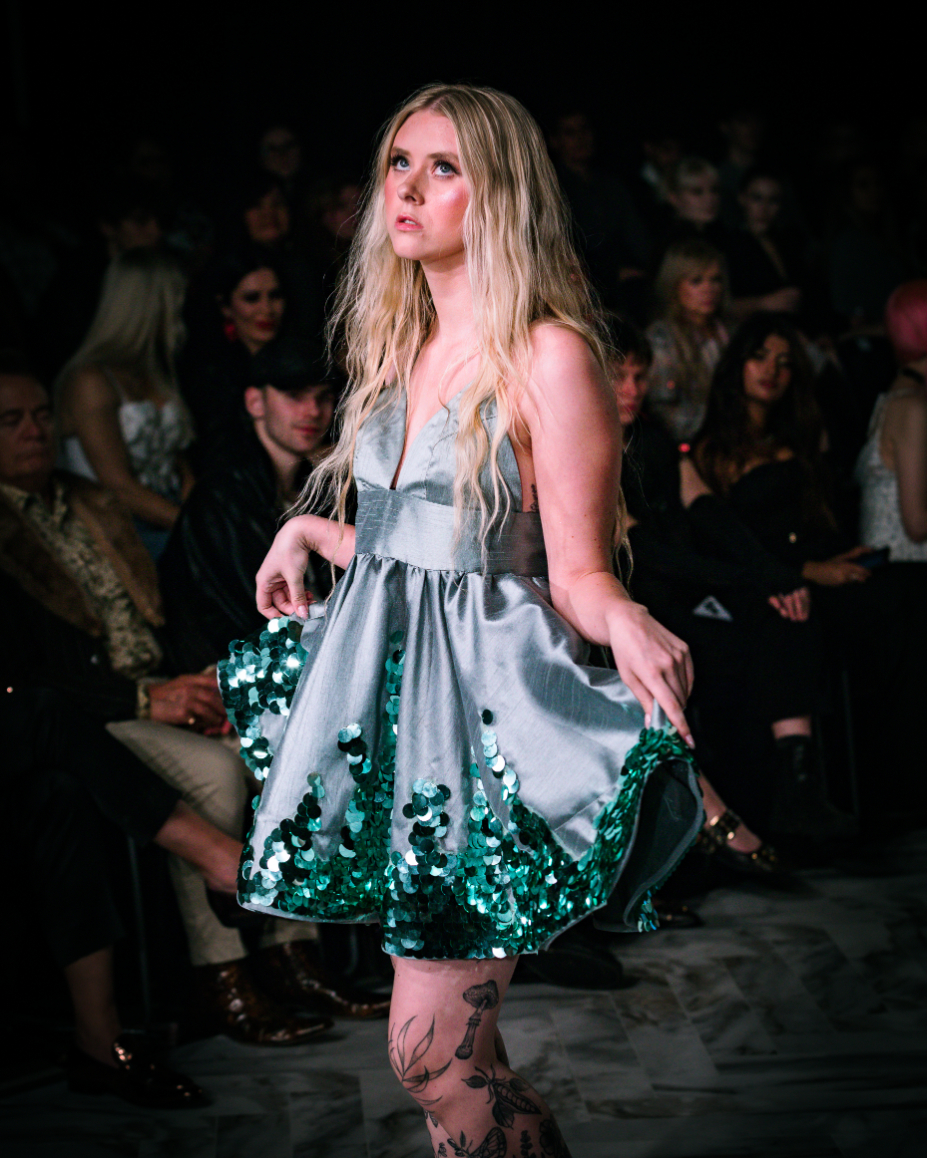
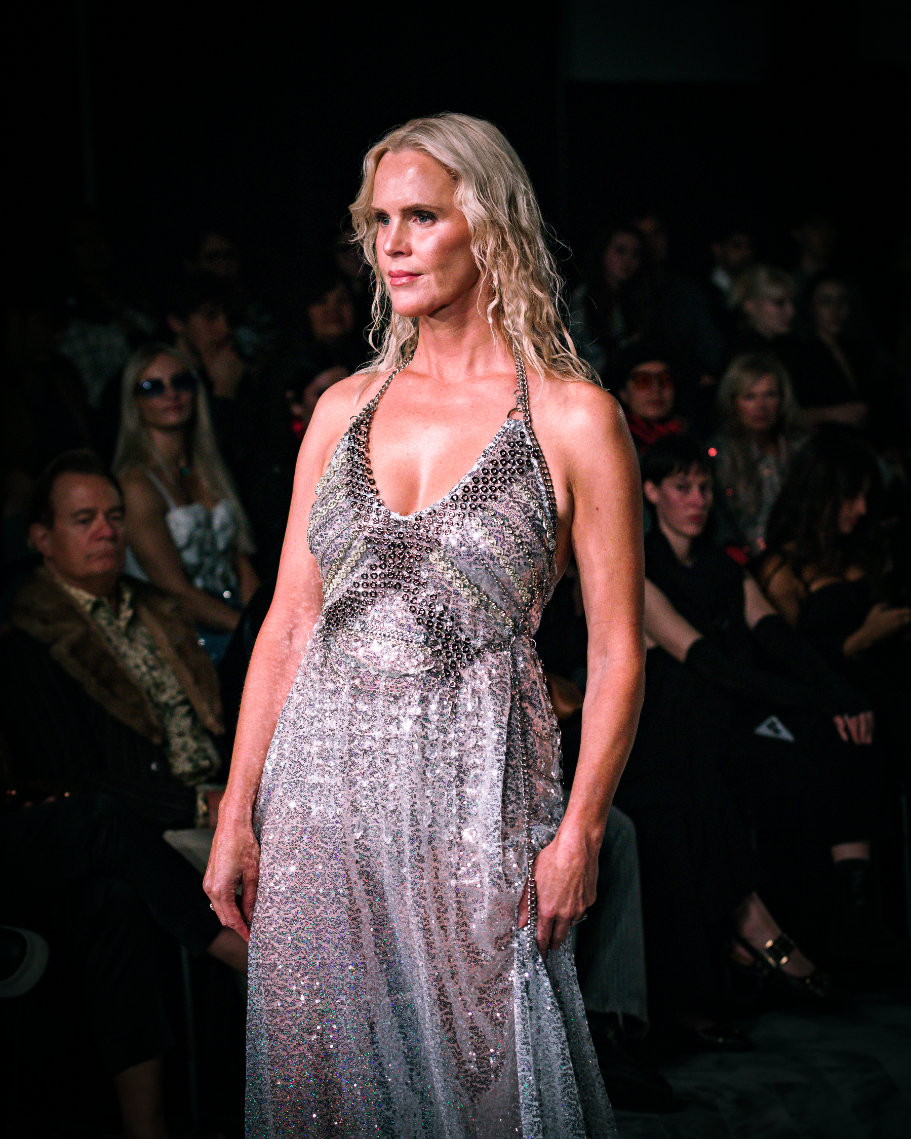
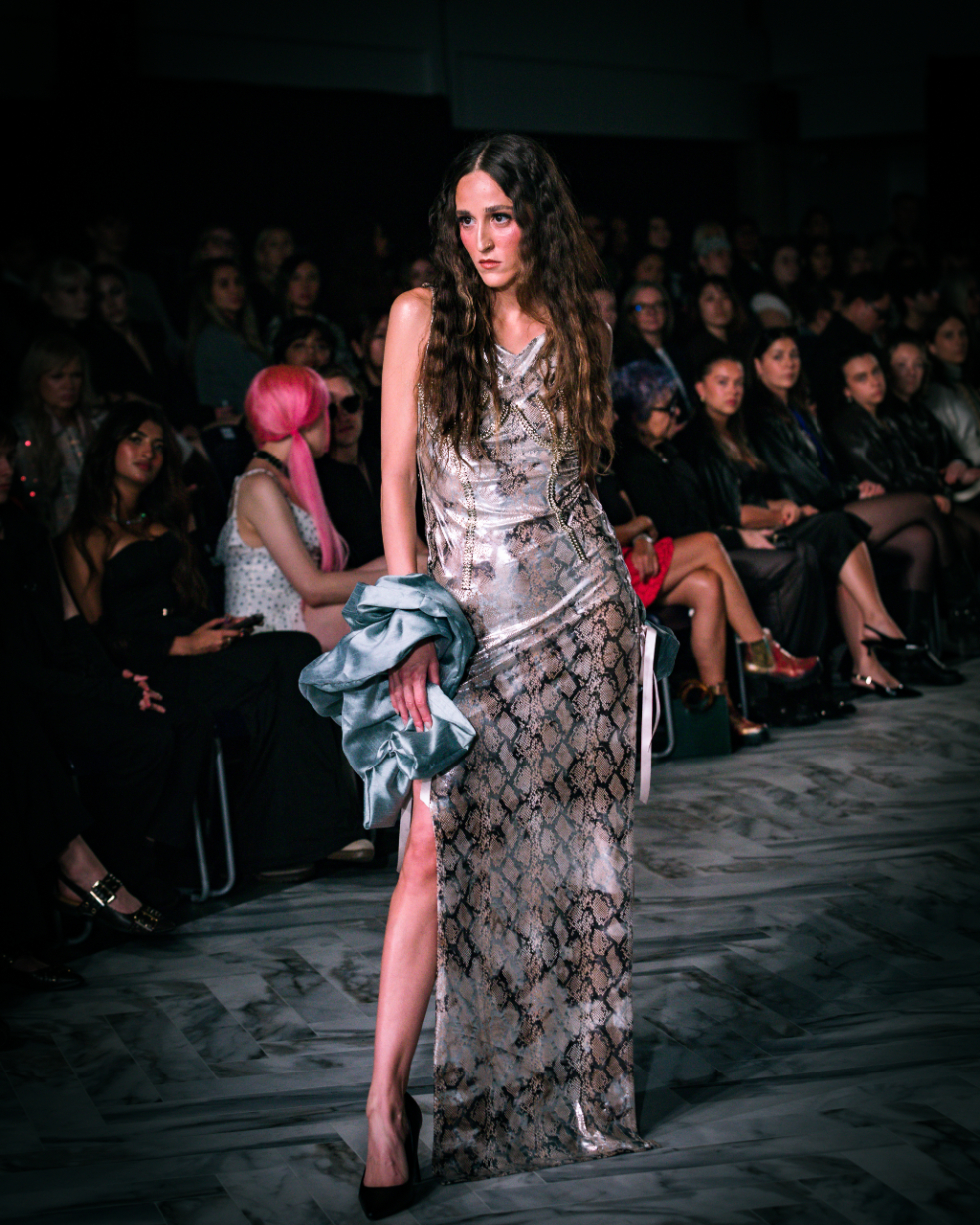
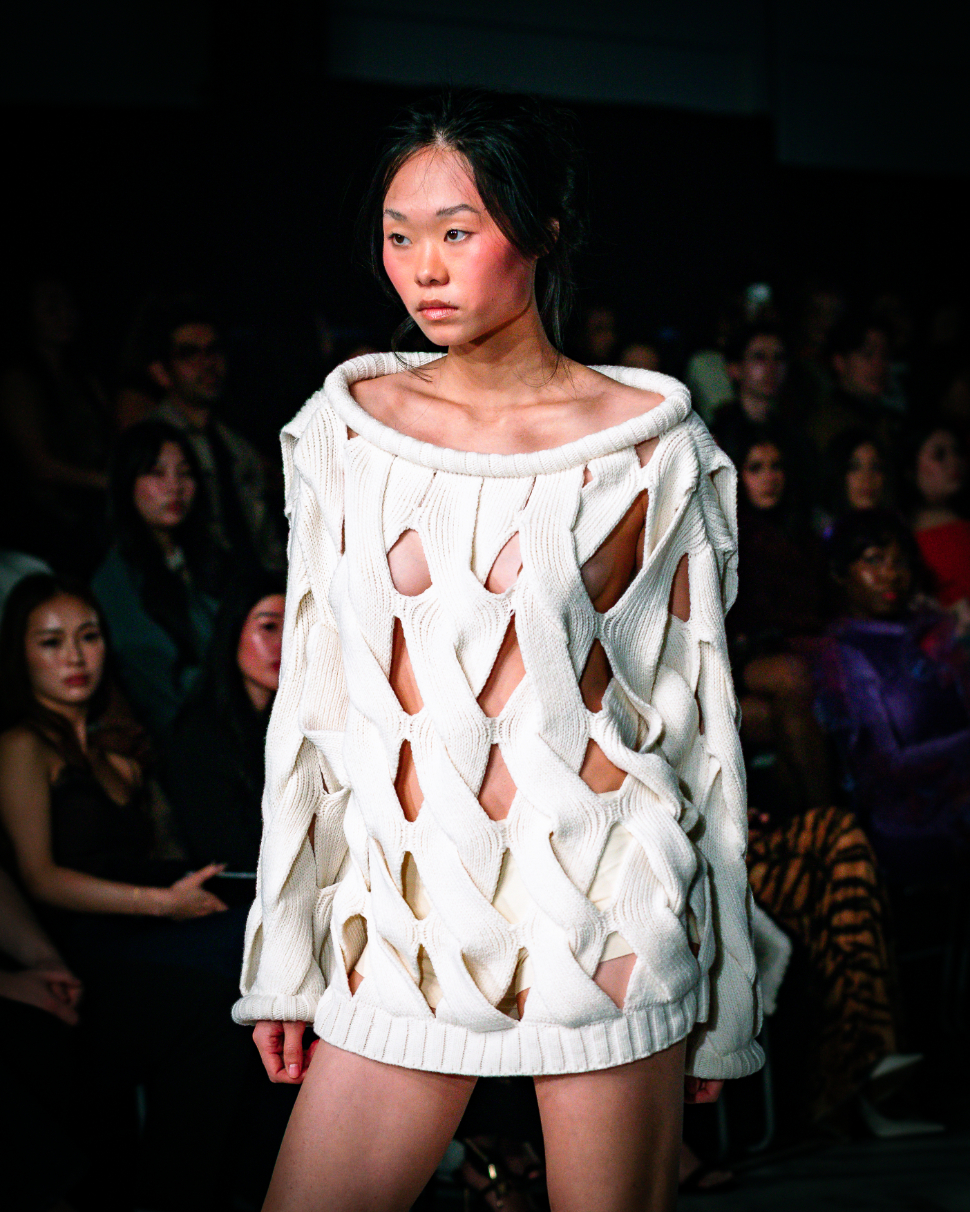
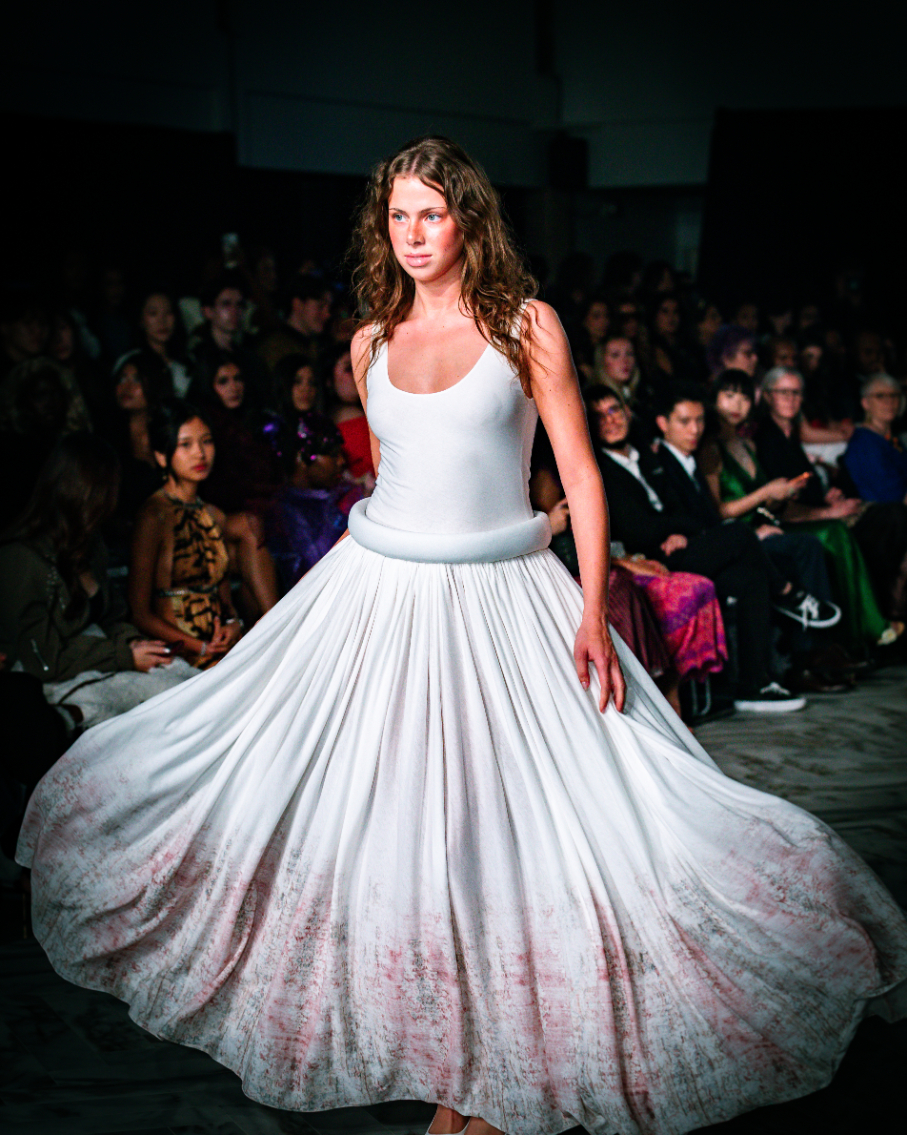
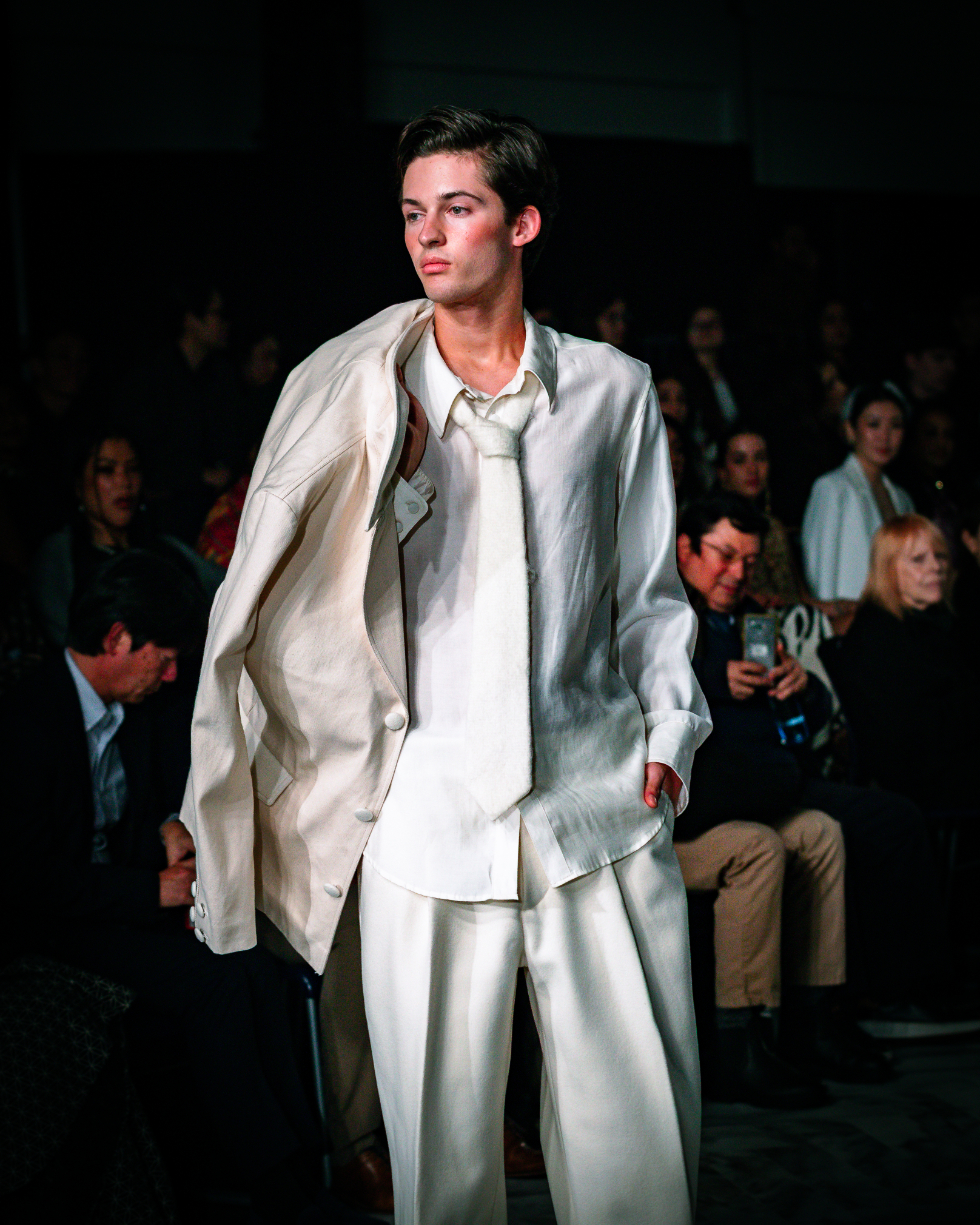
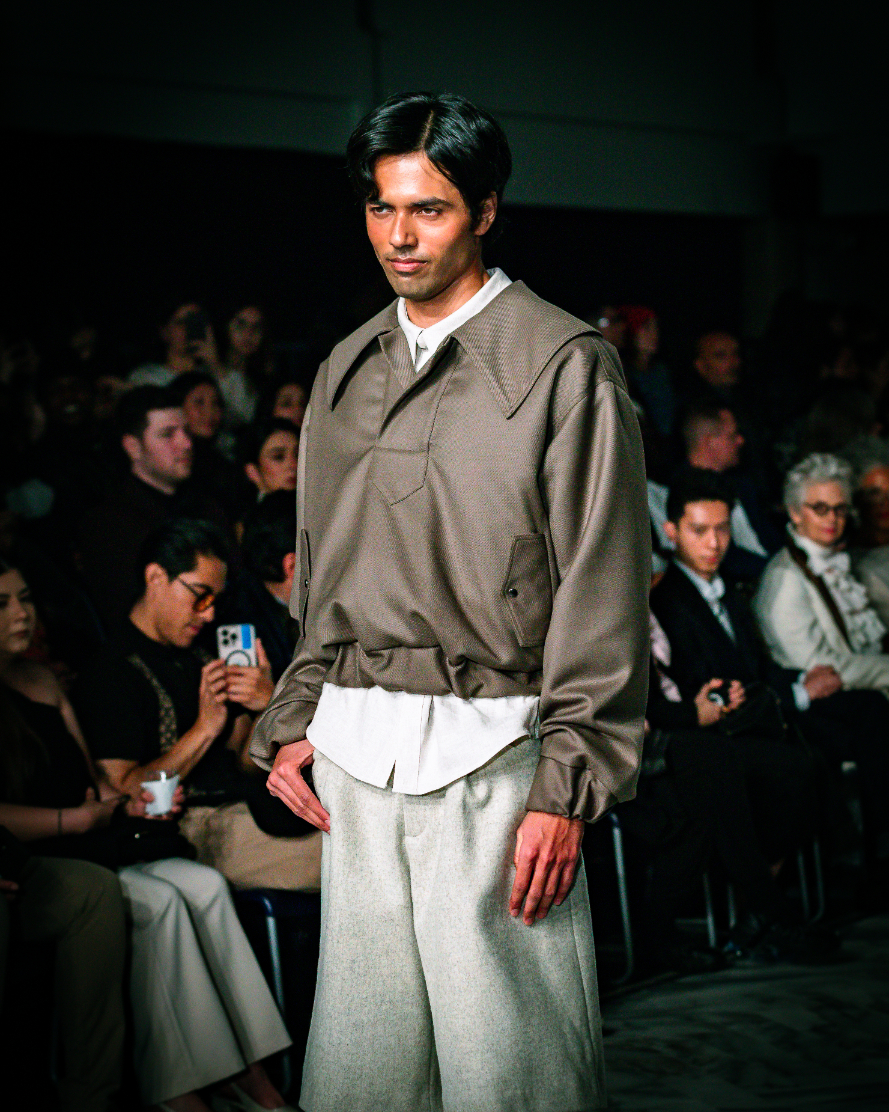
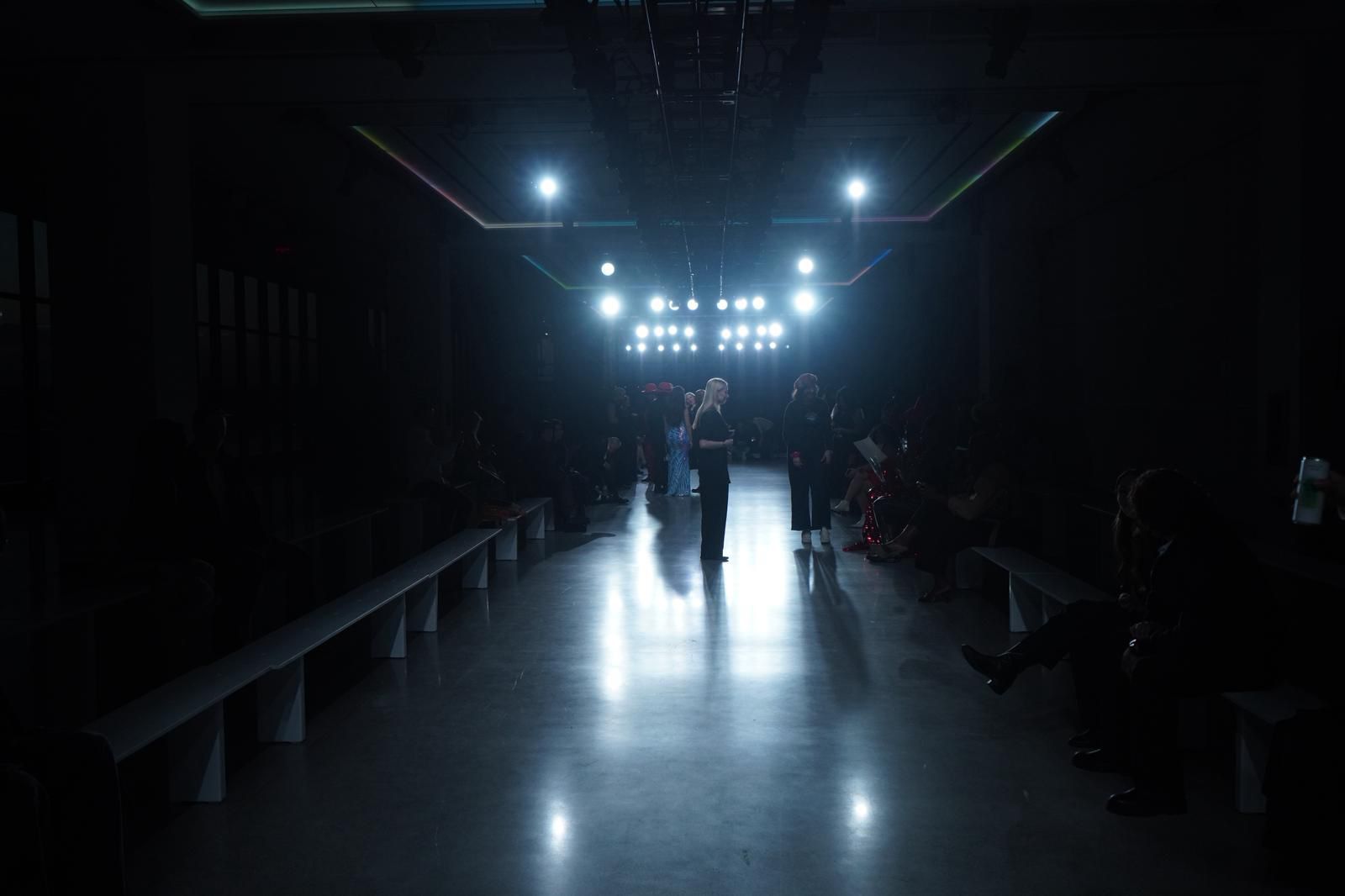
On Oct. 14, late in the afternoon, I arrived at the back door of David Lam Hall in Vancouver’s Chinatown. It was the opening night of Vancouver Fashion Week’s 25th season. For spring/summer 2027, 29 collections would take to the runway, and I headed backstage to begin my work over the next five nights. I met, interviewed and wrote about many of the designers presenting their collections at North America’s second-largest fashion week. But why Vancouver? What has made the city successful in sustaining a viable fashion week when so many others have failed?
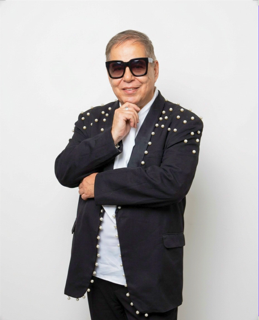
The answer is Jamal Abdourahman, founder and CEO of Vancouver Fashion Week. Twenty-five years ago, Abdourahman envisioned making Vancouver a fashion city, giving aspiring designers a platform to showcase their work and demonstrating that fashion matters. Today, that vision is stronger than ever. VFW has grown into a platform that champions not only emerging designers but also photographers, makeup and hair artists, stylists, models, aspiring media professionals and many others who contribute to the industry. Within an hour, the hall would be packed with Vancouver’s fashion fans. Some are students supported by VFW, others are their teachers, loyal fashionistas, friends and family, and those simply curious to discover what the city’s fashion scene has to offer.
VFW’s mission is to promote diversity, support the growth of Canada’s fashion industry and build lasting connections between local, national and international fashion communities. Its 25th season proves this mission is still very much alive.
As GFC continues its mission of providing a powerful global platform for emerging and established voices, proving that the most compelling fashion does not just drape the body; it documents the psychological journey of the wearer.
Local
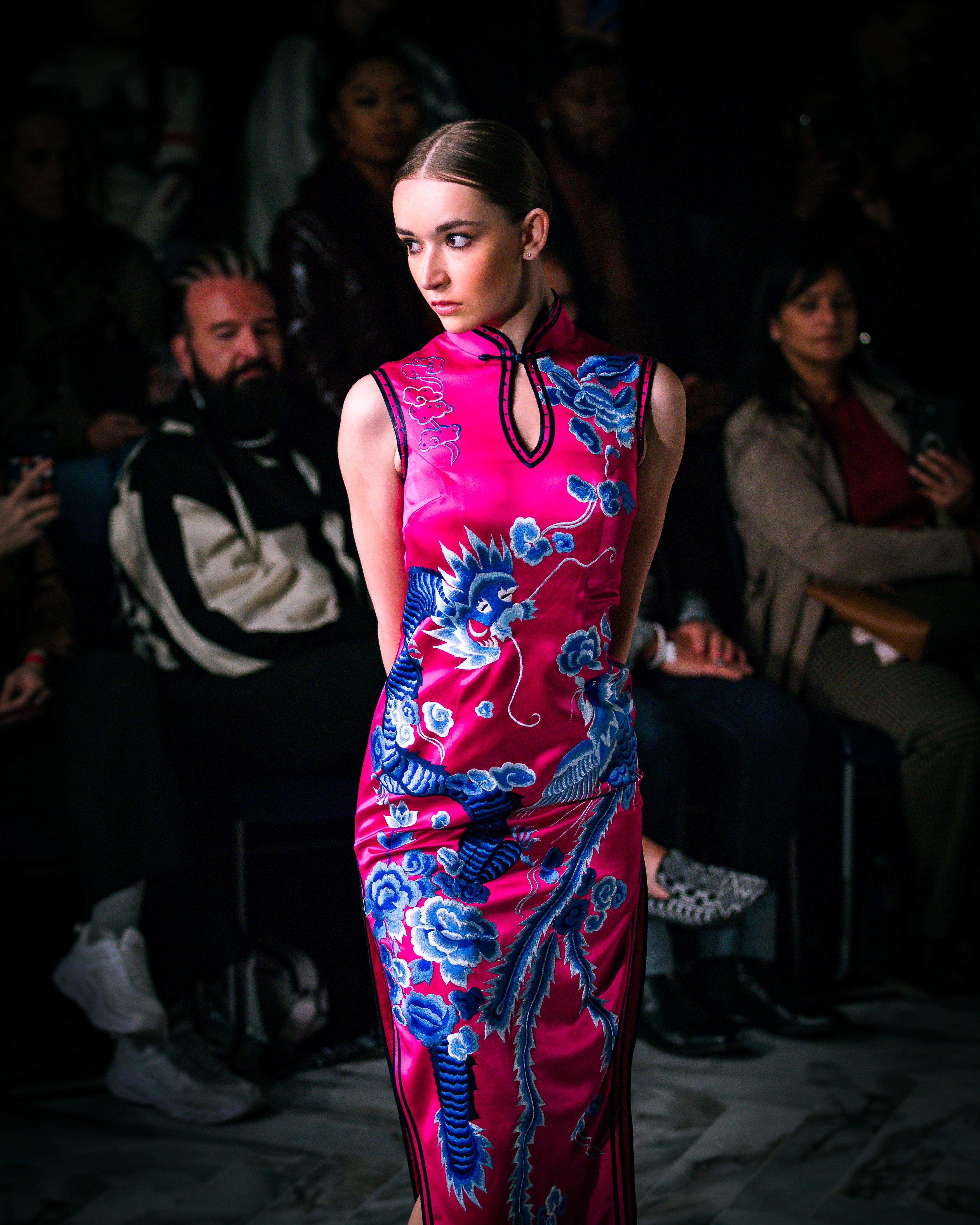
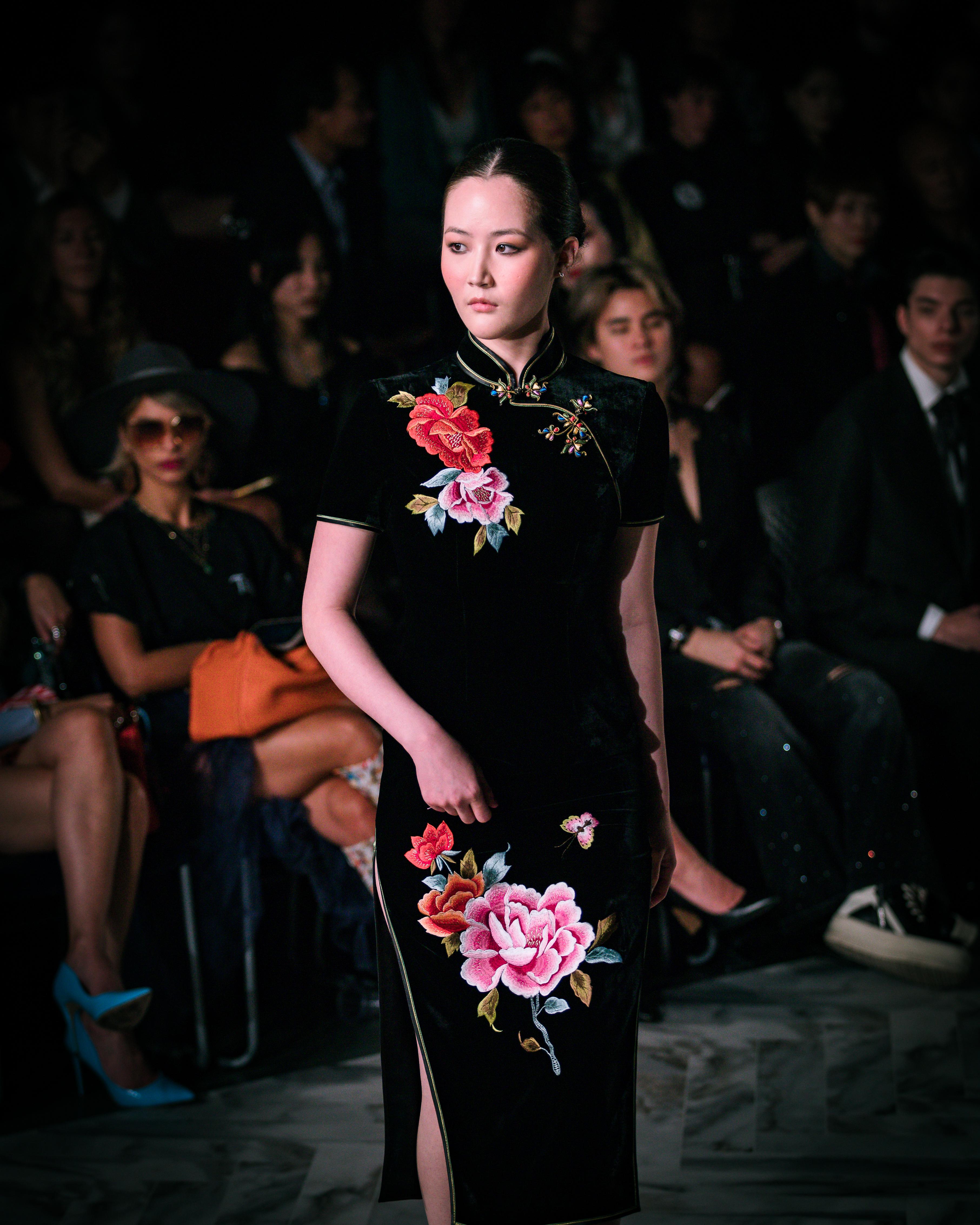
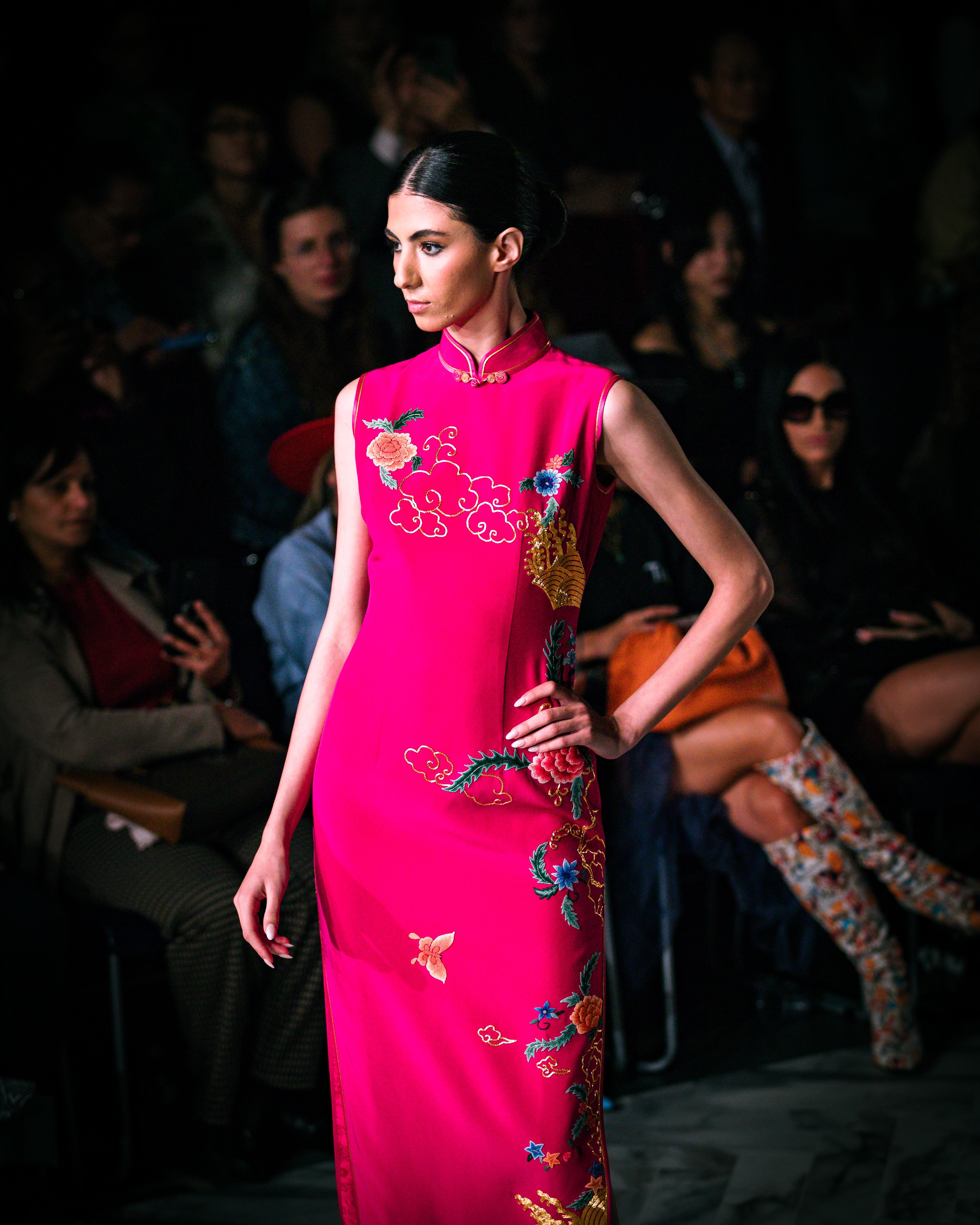
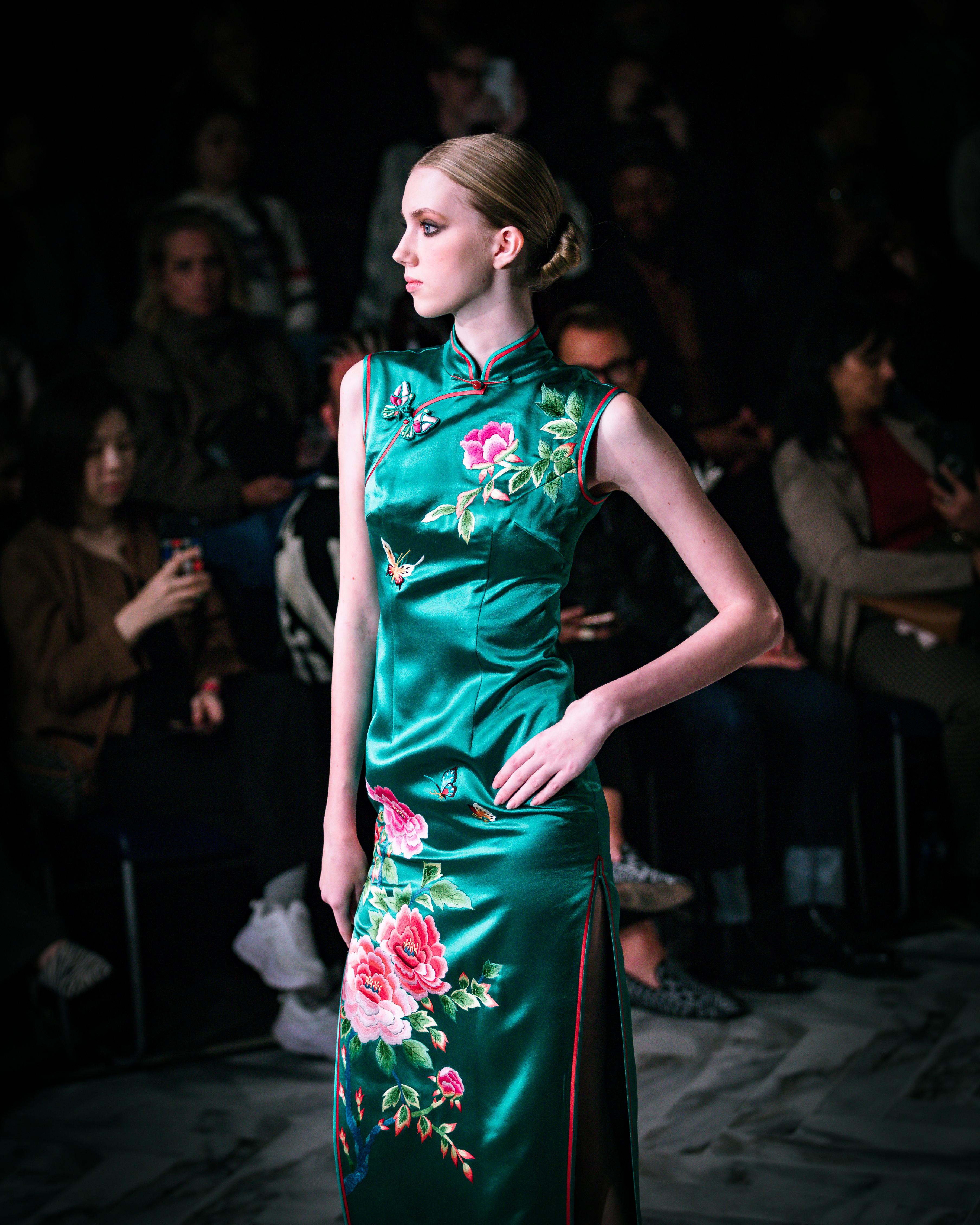
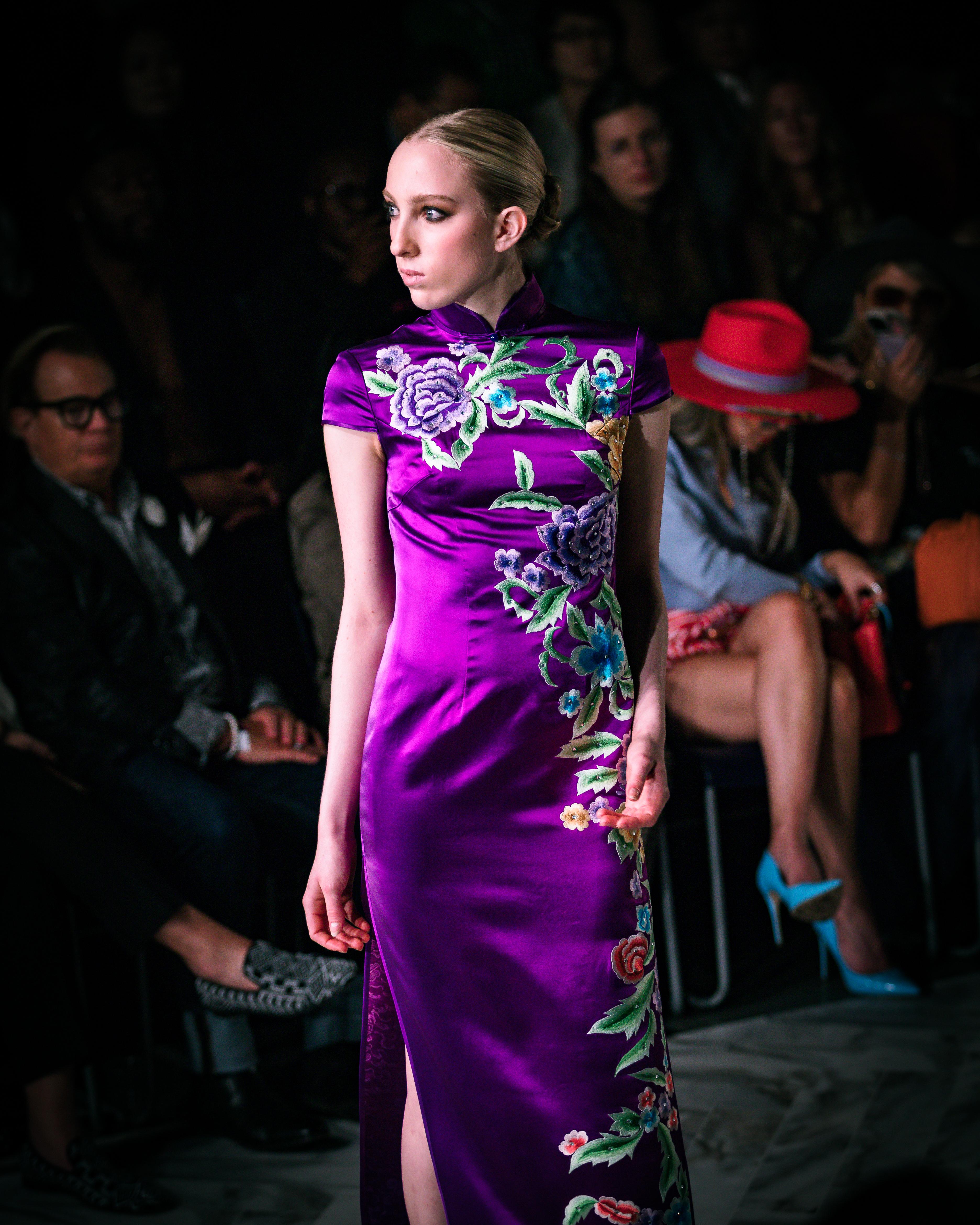
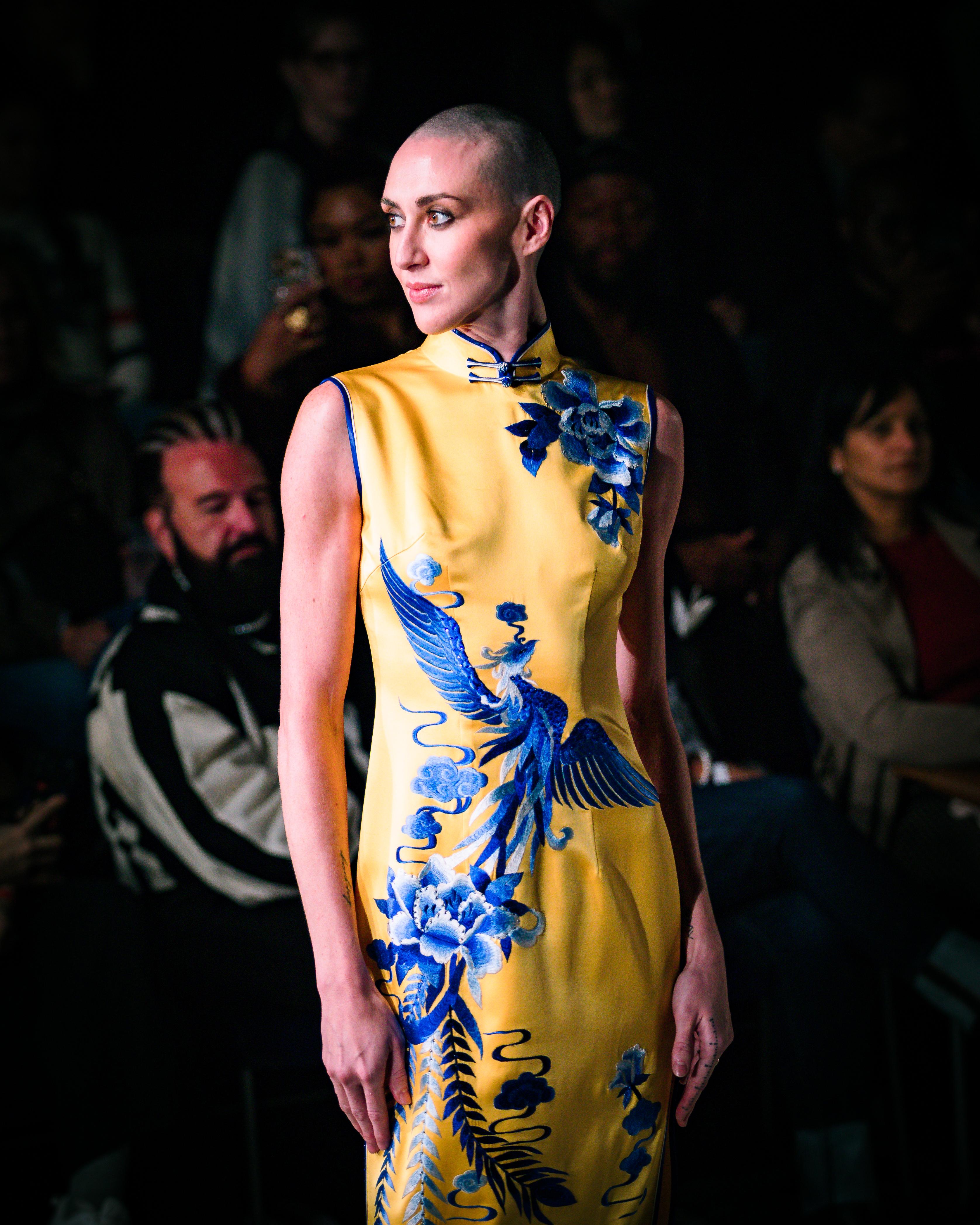
Vancouver Fashion Week’s 25th season opened with two outstanding local labels. Chinese Canadian label Richard Wei returned to creative director Wei’s Chinese heritage, presenting a striking collection centred on the classic Chinese dress, known as the qipao in Mandarin or cheongsam in Cantonese. It marked a departure from his previous work, which focused on Western-style eveningwear. Wei told me that, after showing his eveningwear collections in New York and Milan, he wanted to present a more traditional Chinese collection. The garments stayed true to their traditional roots, though colour brought a fresh energy to the runway. A brilliant yellow-and-cobalt-blue ensemble was a standout.
Richard Wei | Photo by Leo Le for Vand Magazine
Richard Wei | Photo by Leo Le for Vand Magazine
Richard Wei | Photo by Leo Le for Vand Magazine
Richard Wei | Photo by Leo Le for Vand Magazine
Richard Wei | Photo by Leo Le for Vand Magazine
Richard Wei | Photo by Leo Le for Vand Magazine
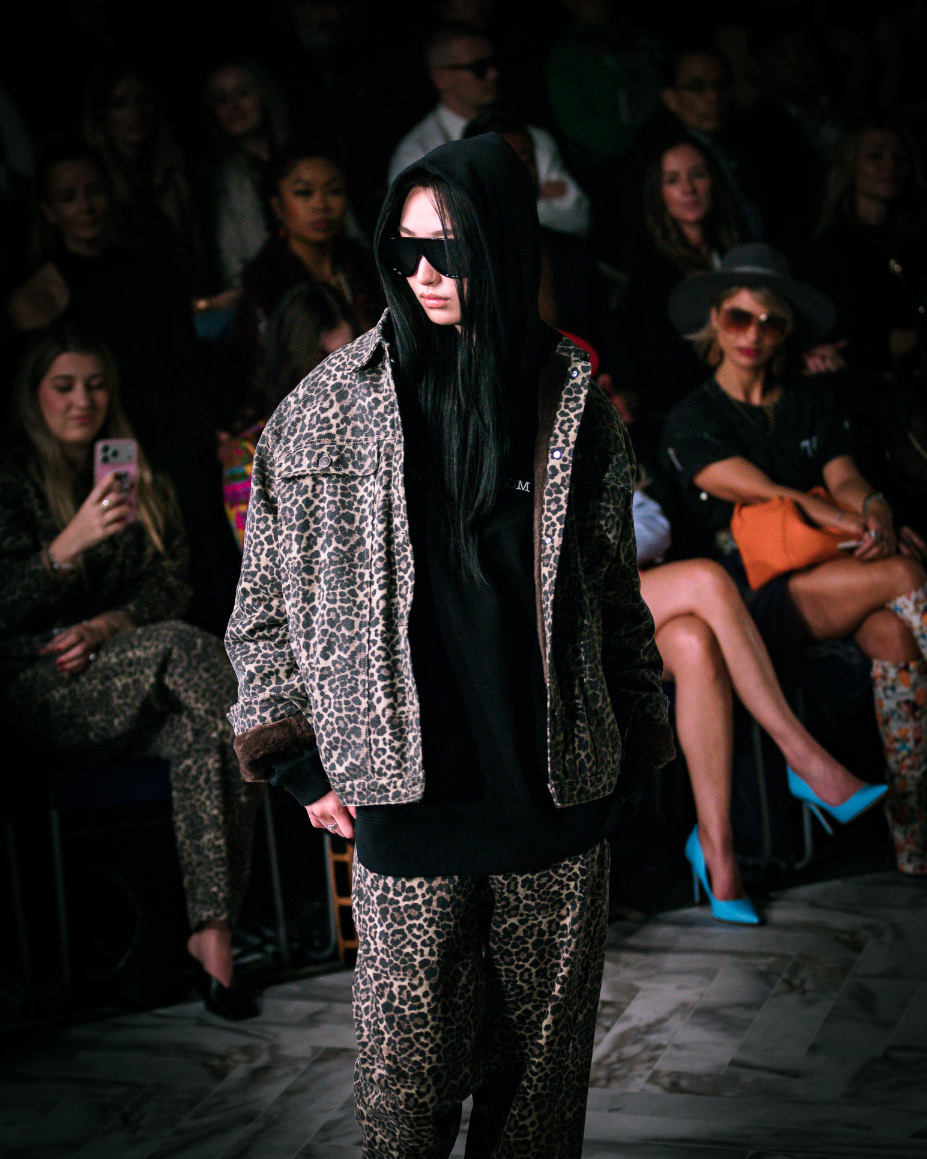
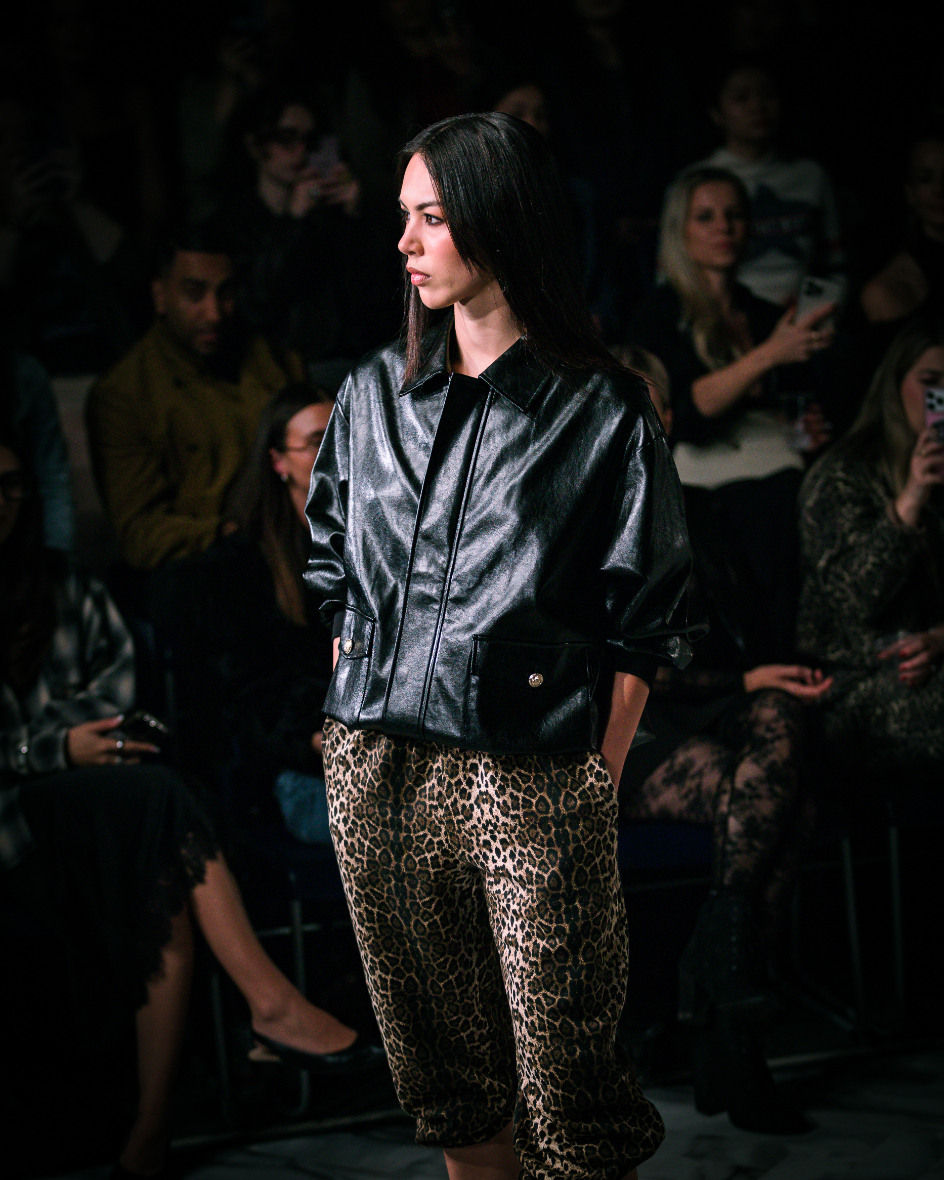
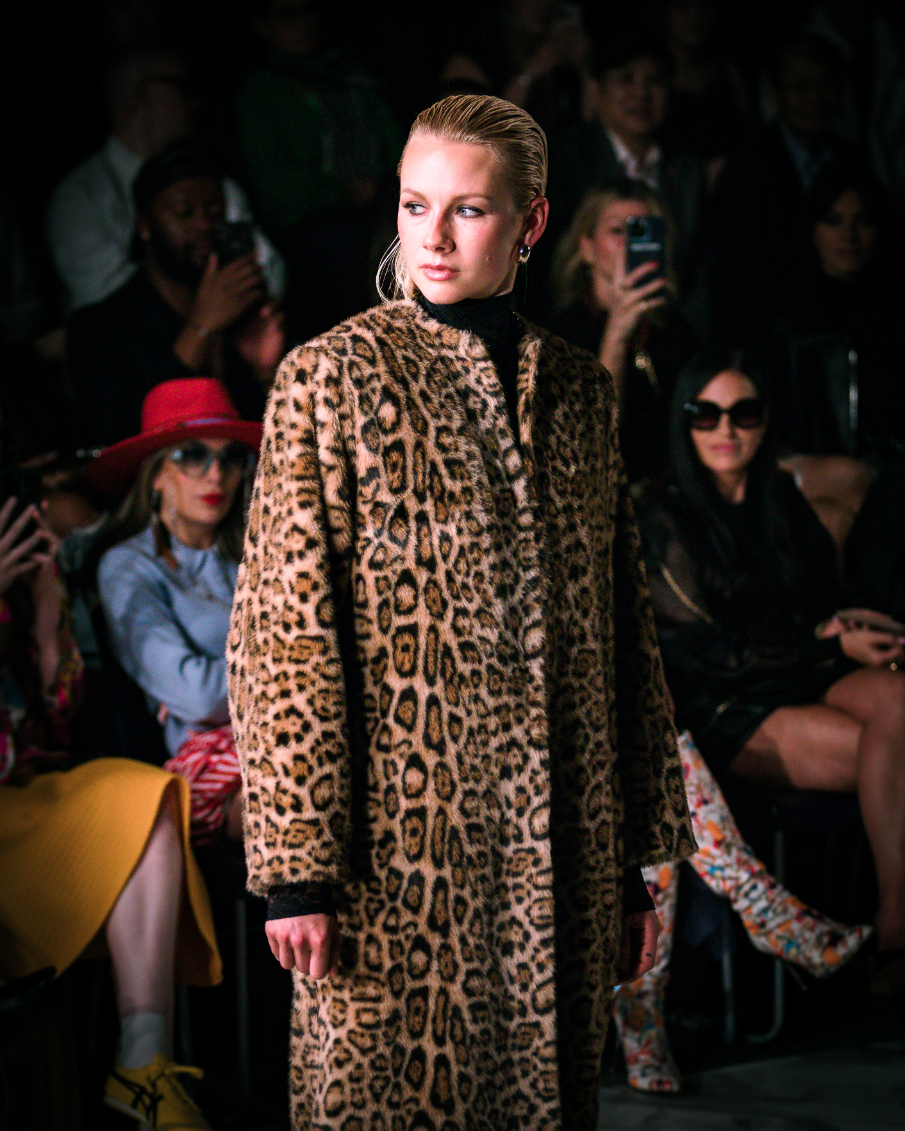
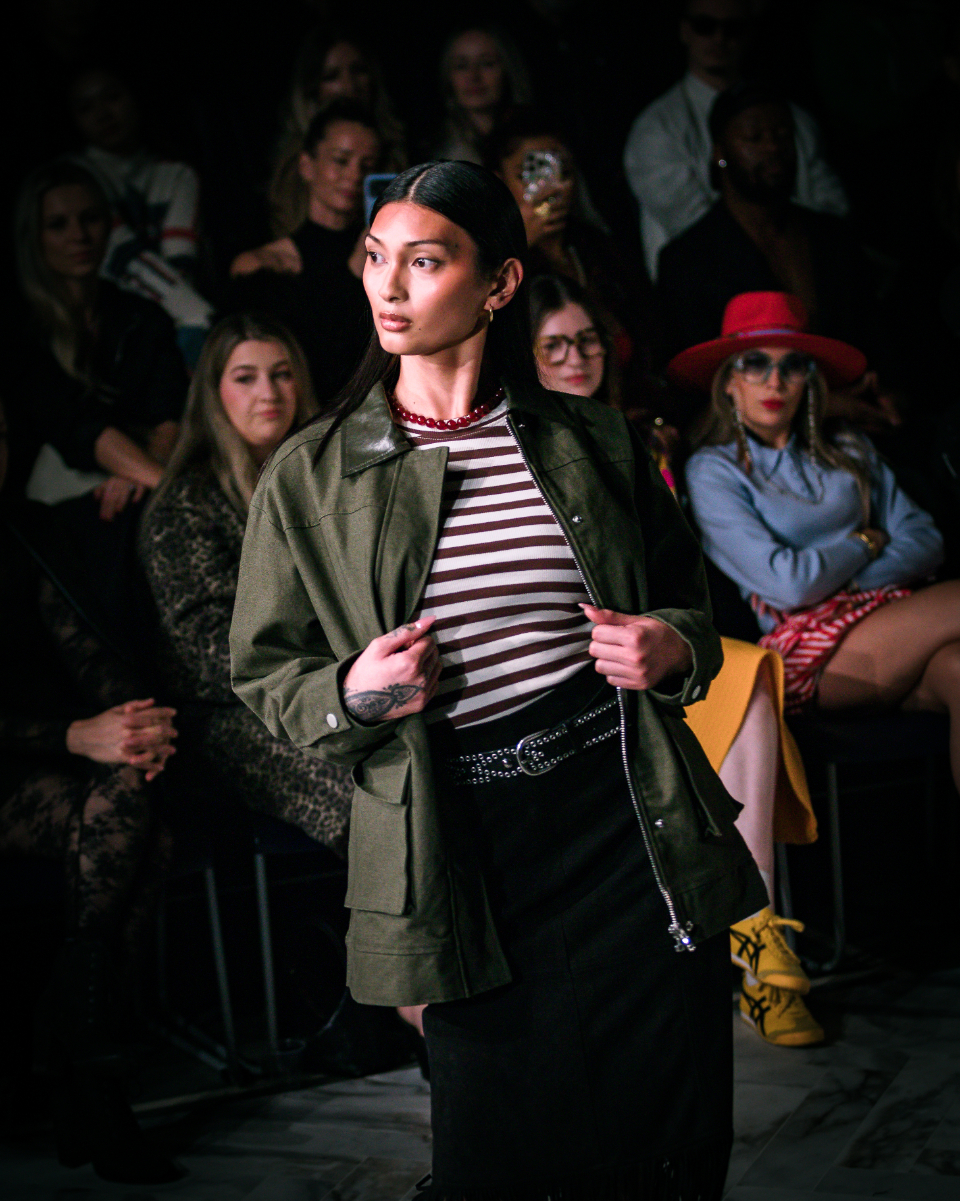
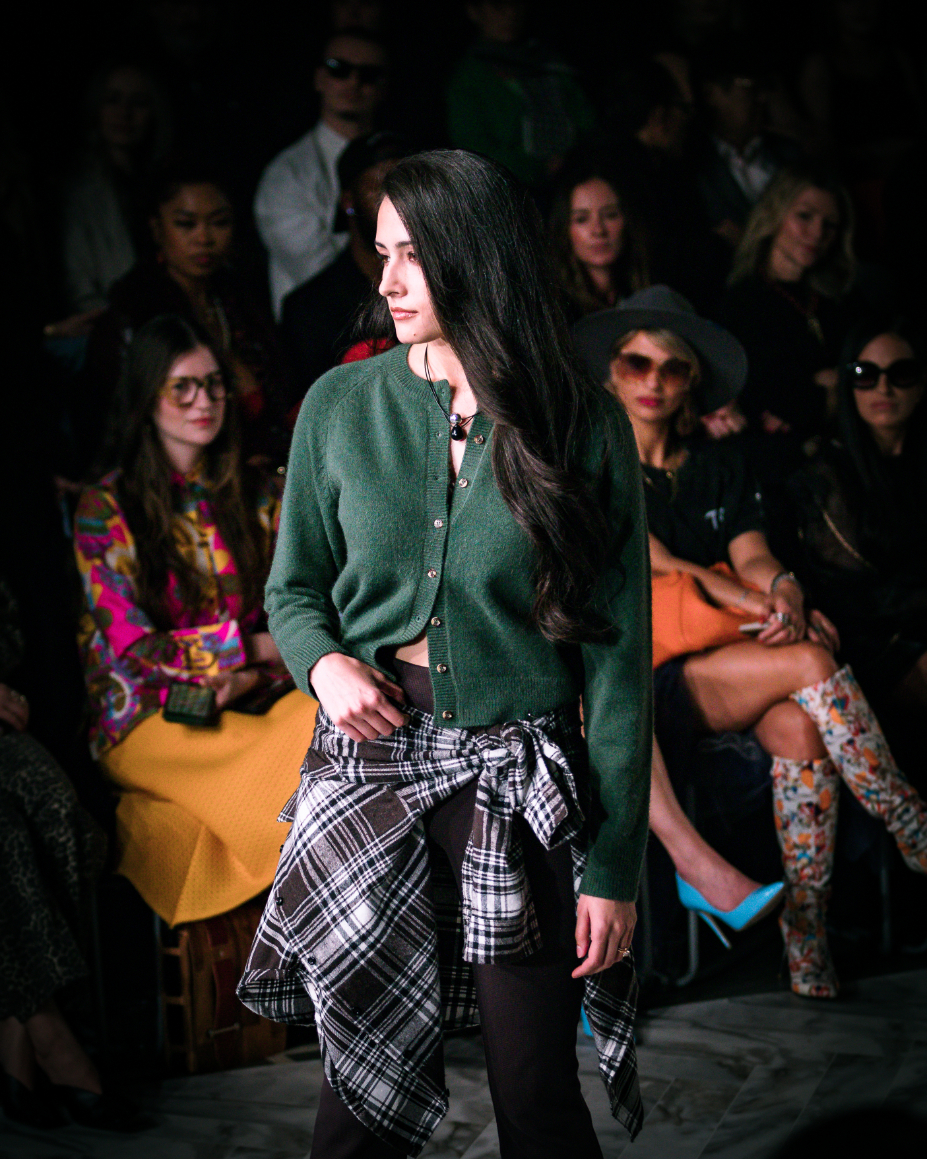
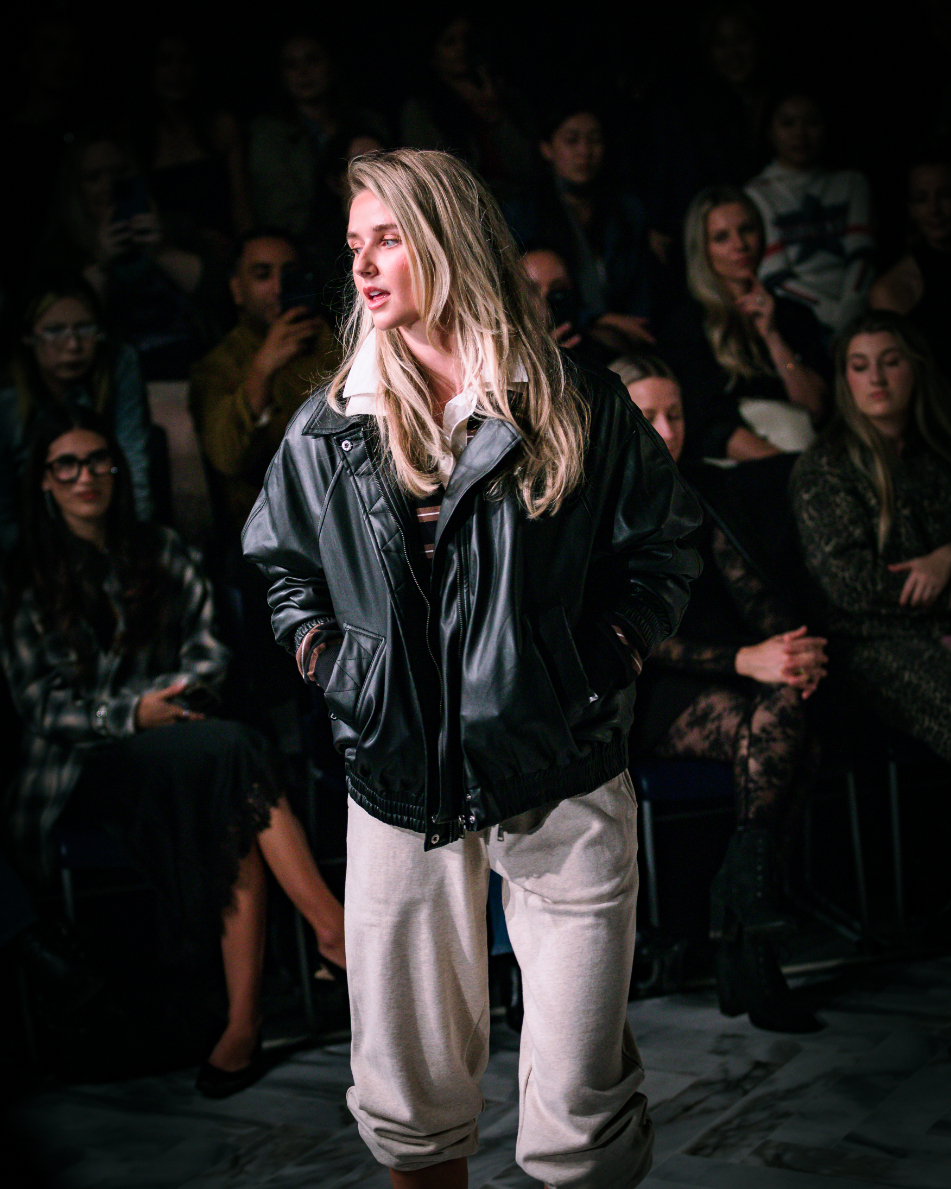
Another local powerhouse on opening night was Brunette the Label, a women’s wear brand that celebrates strong women through a distinctly 1980s- and 1990s-era vintage lens. The collection delivered superb styling, pairing a barn jacket with lace leggings and a plaid bomber with an argyle sweater and lacy short shorts. Woman-owned and operated, the label lives by its motto: “Babes supporting Babes.”
Brunette the Label | Photo by Leo Le for Vand Magazine
Brunette the Label | Photo by Leo Le for Vand Magazine
Brunette the Label | Photo by Leo Le for Vand Magazine
Brunette the Label | Photo by Leo Le for Vand Magazine
Brunette the Label | Photo by Leo Le for Vand Magazine
Brunette the Label | Photo by Leo Le for Vand Magazine
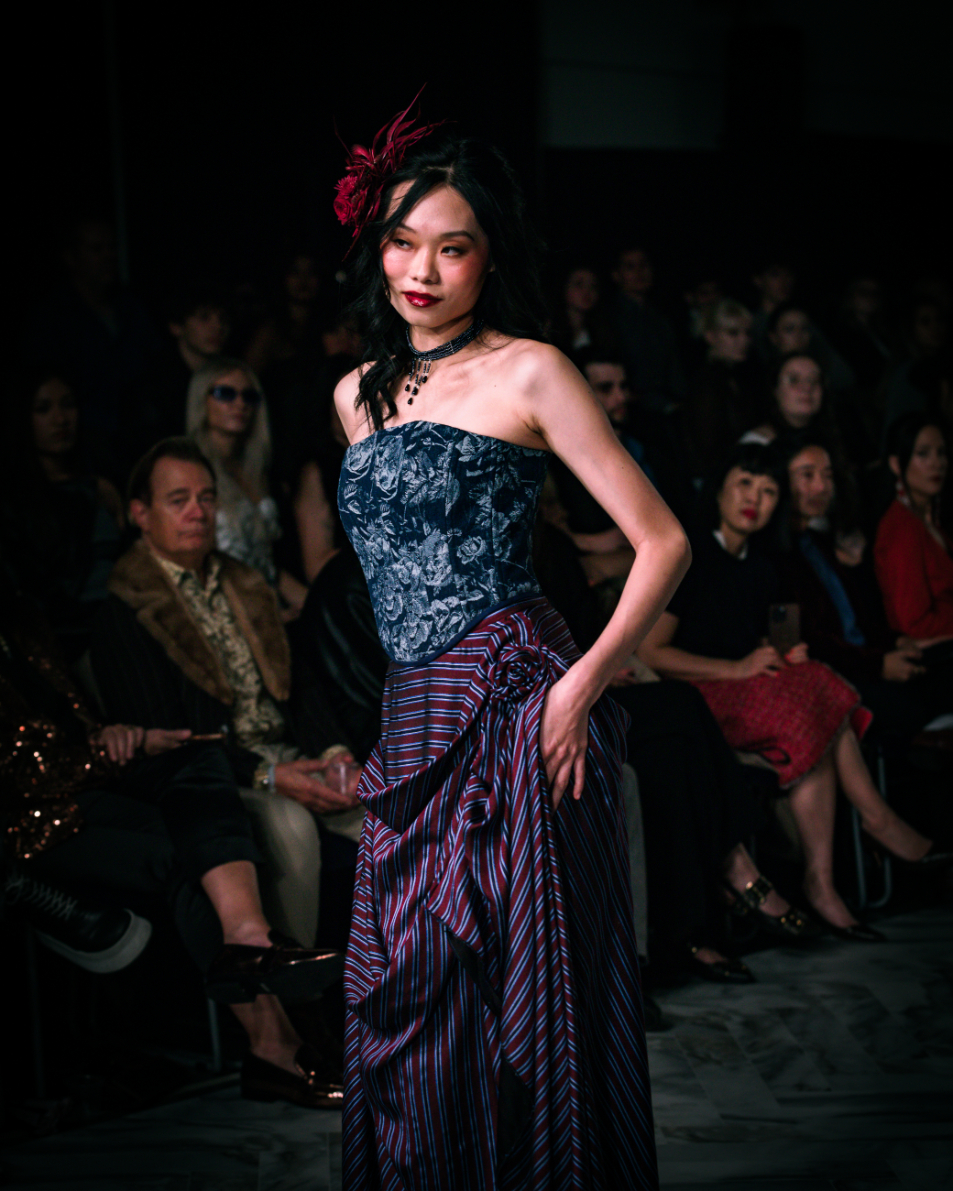
Local designers continued to shine throughout the week. Emerging designer Heidi Wilson, whose label is Jade McBride, reinterpreted the French Revolution for today’s woman. Her label earned her the coveted Sue Randhawa/The Optical Boutique Award, adding another milestone to an impressive showing.
Jade McBride | Photo by Leo Le for Vand Magazine
Jade McBride | Photo by Leo Le for Vand Magazine
Jade McBride | Photo by Leo Le for Vand Magazine
Jade McBride | Photo by Leo Le for Vand Magazine
Jade McBride | Photo by Leo Le for Vand Magazine
Jade McBride | Photo by Leo Le for Vand Magazine
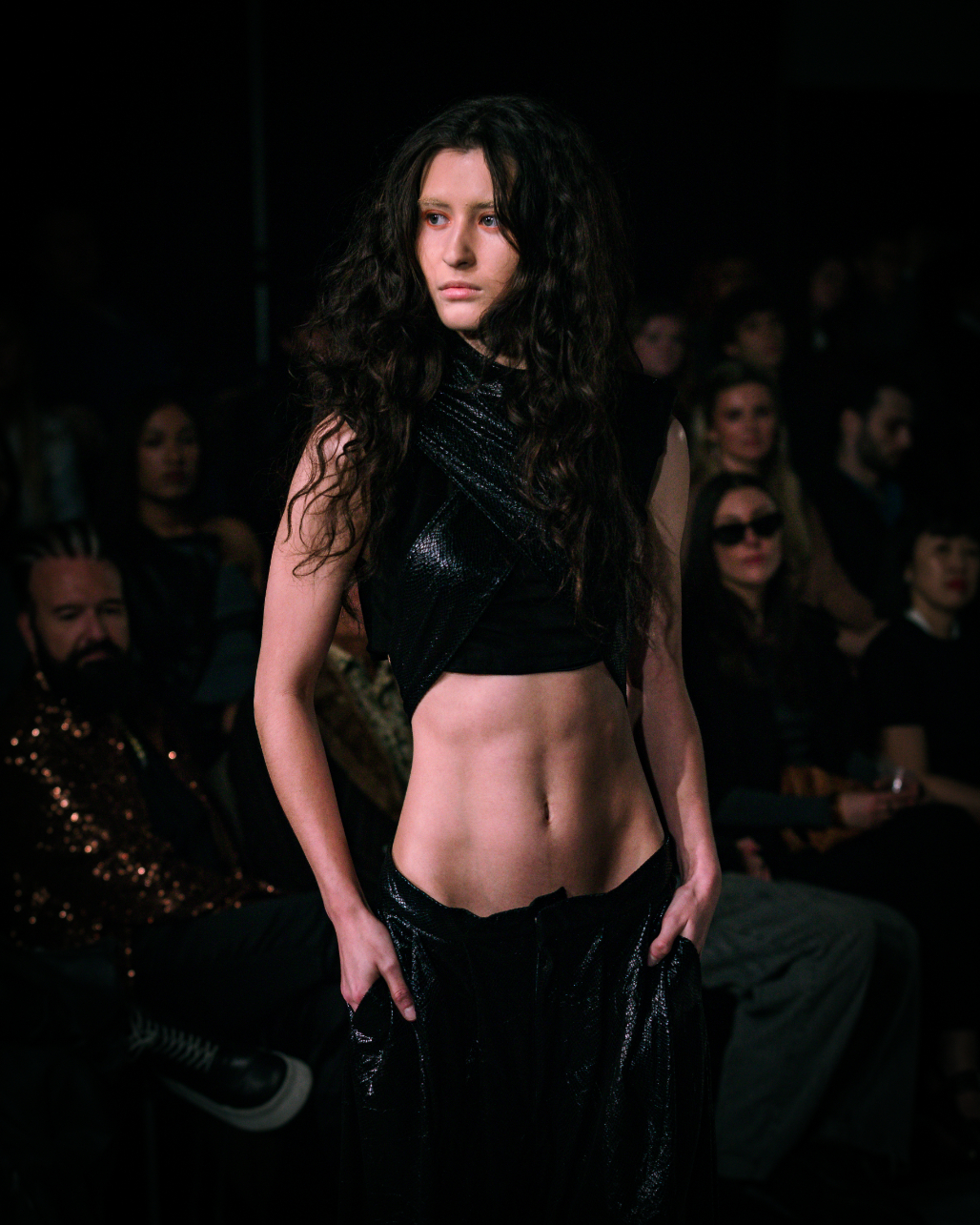
Somaya Ahmadi’s Somaya Studio presented what felt like her most commercially accessible runway collection yet, featuring glittering harem pants, sexy crop tops and clean, uncluttered silhouettes. The result was a confident mix of glamour and wearability.
Somaya Studio | Photo by Leo Le for Vand Magazine
Somaya Studio | Photo by Leo Le for Vand Magazine
Somaya Studio | Photo by Leo Le for Vand Magazine
Somaya Studio | Photo by Leo Le for Vand Magazine
Somaya Studio | Photo by Leo Le for Vand Magazine
Somaya Studio | Photo by Leo Le for Vand Magazine
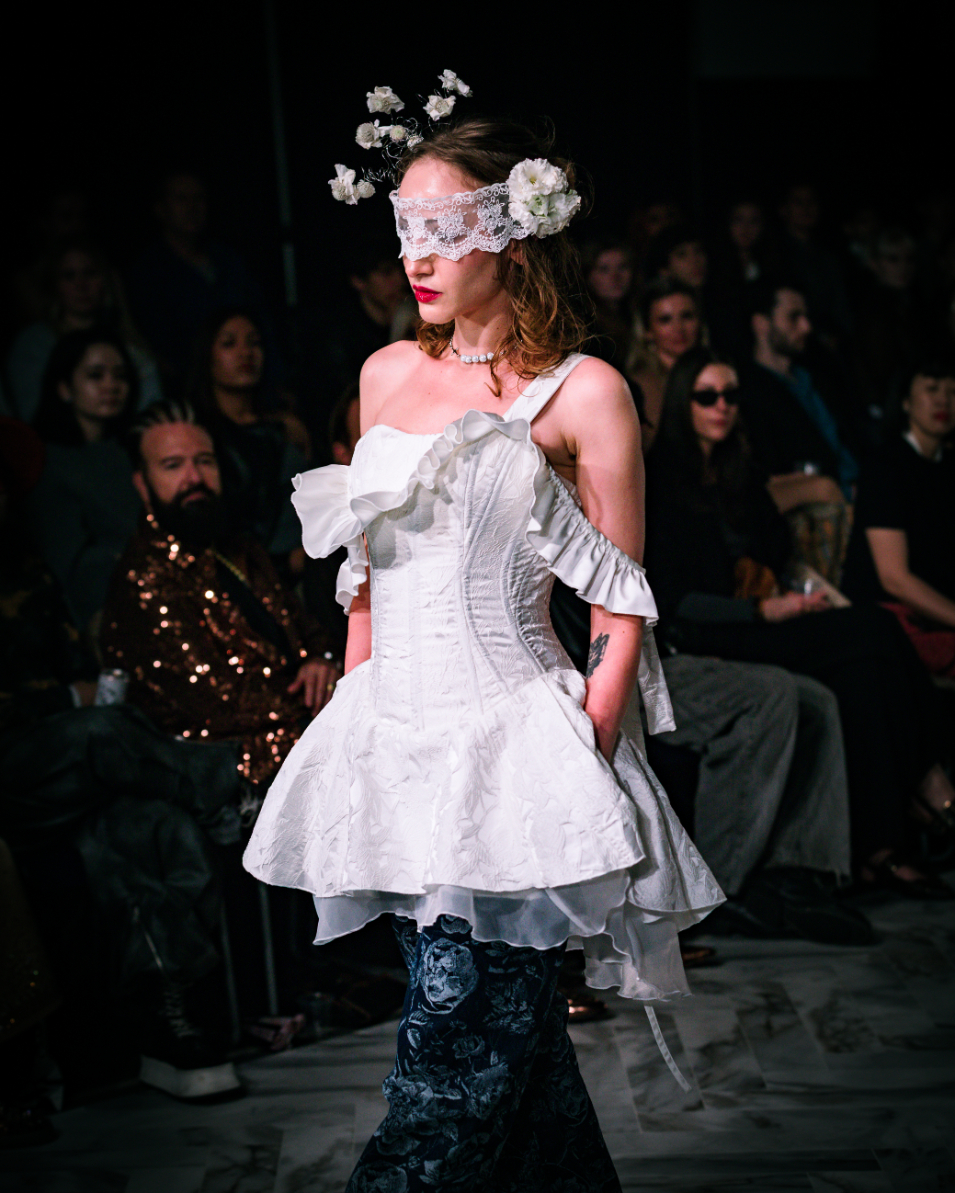
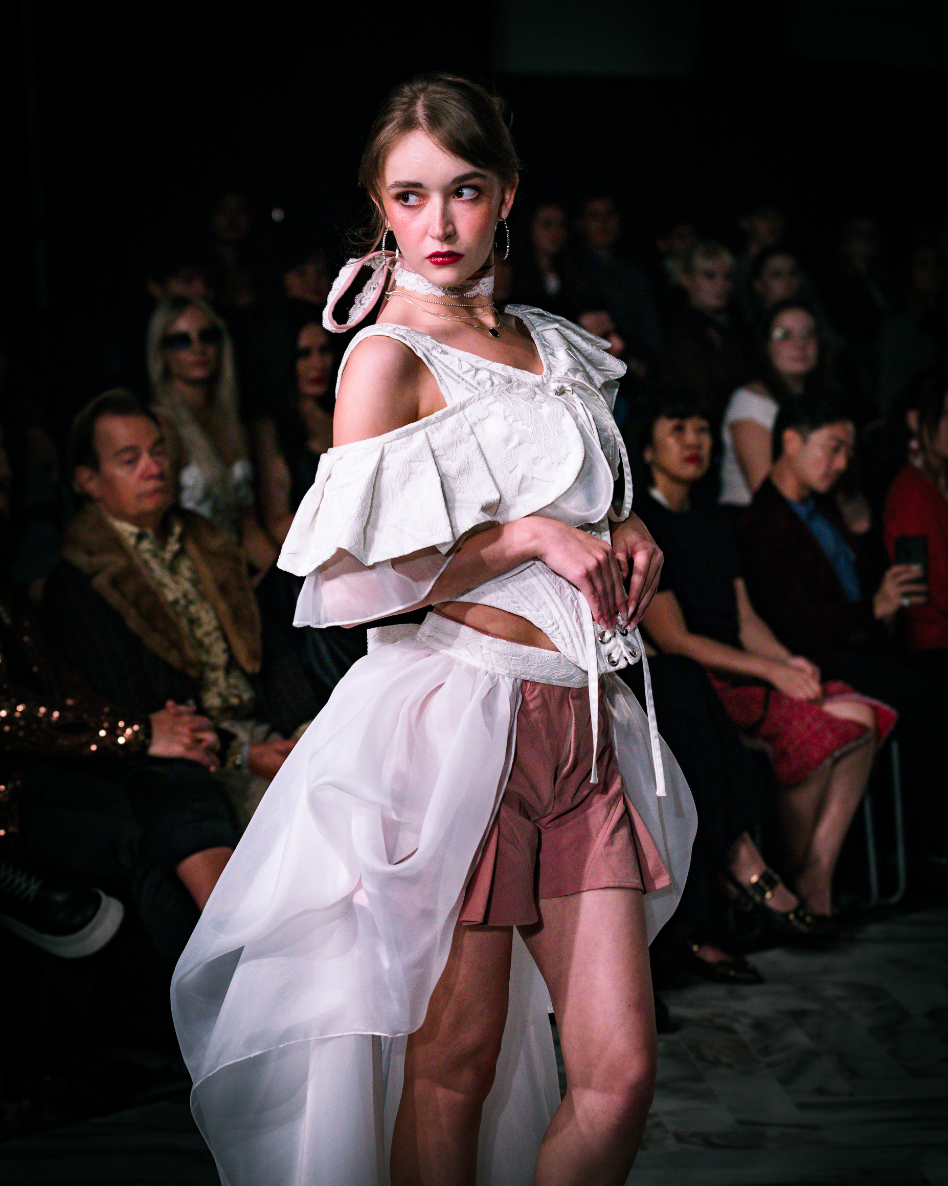
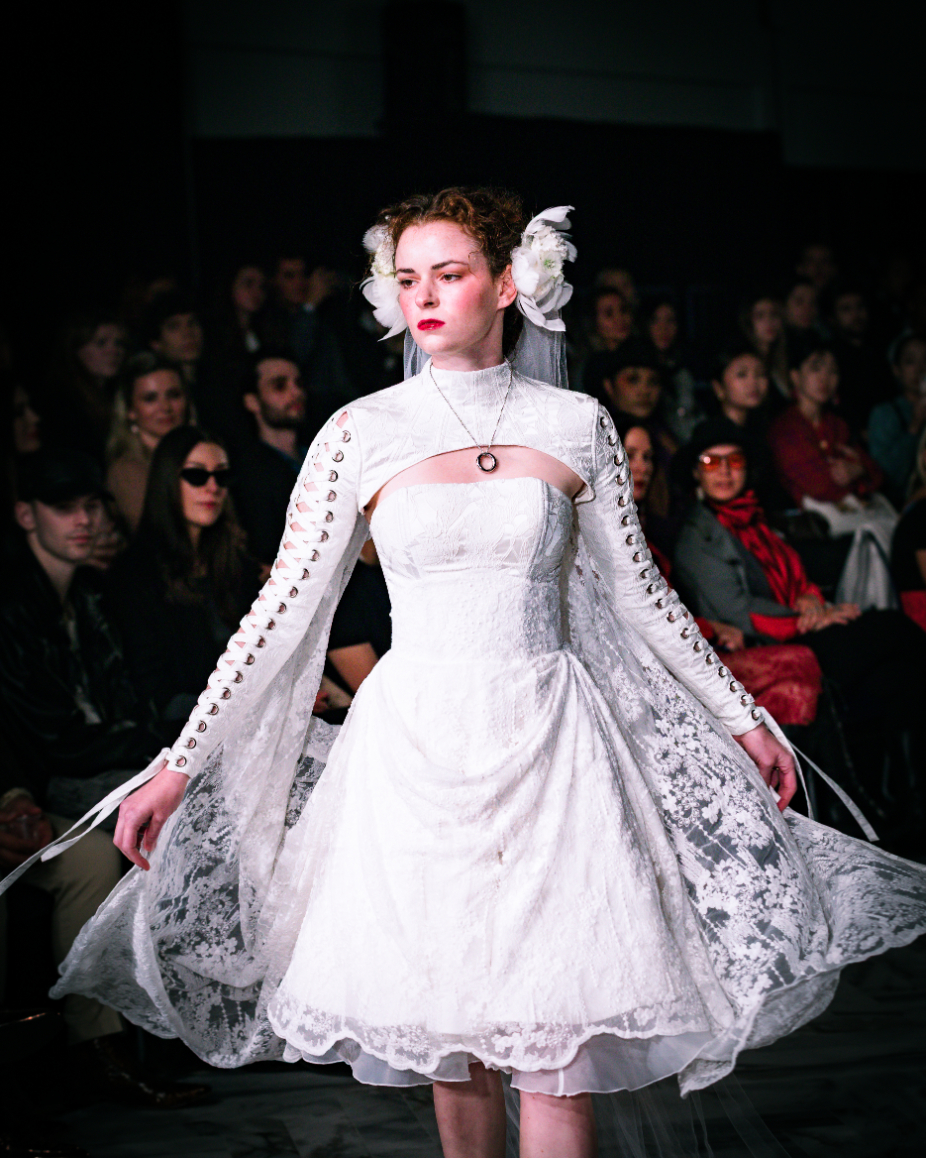
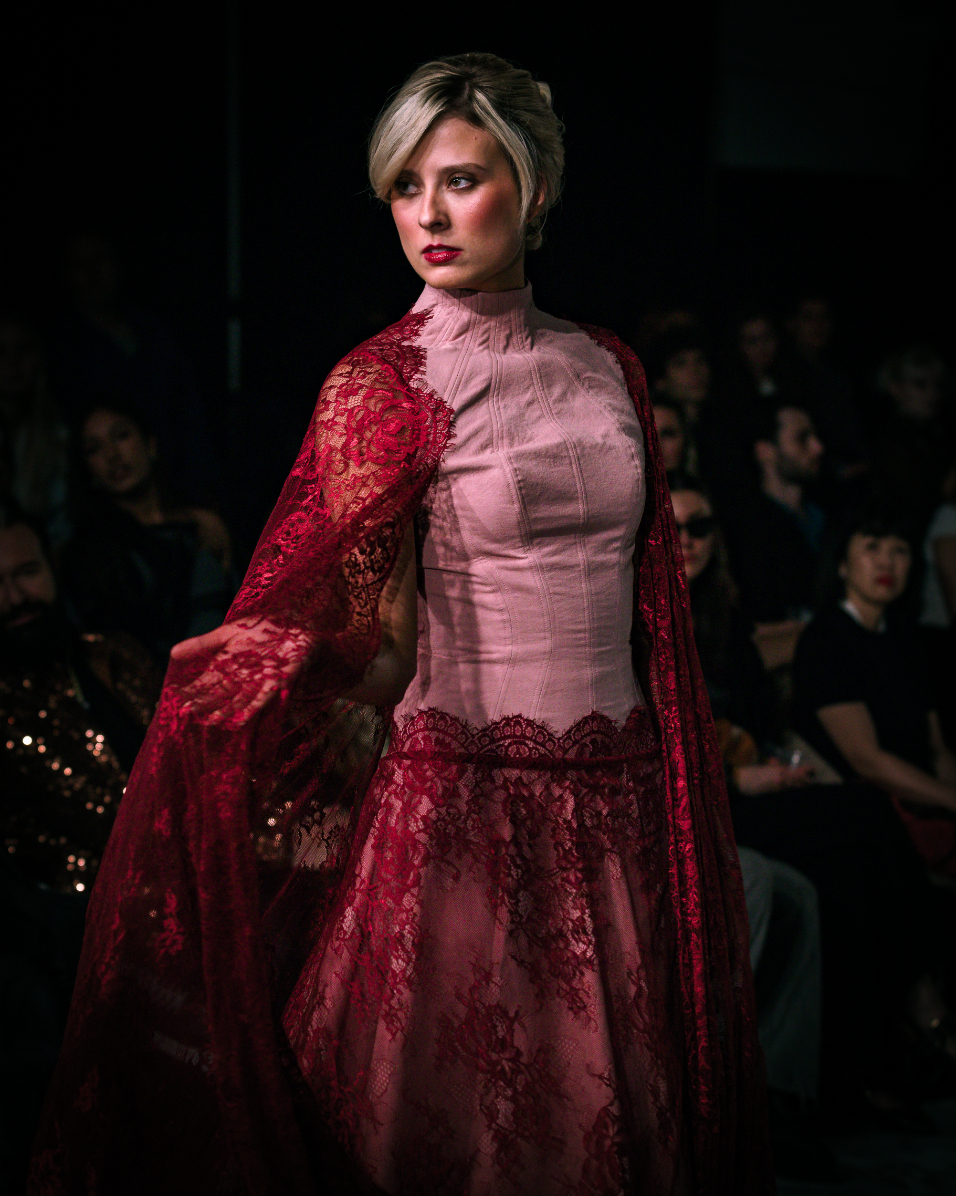
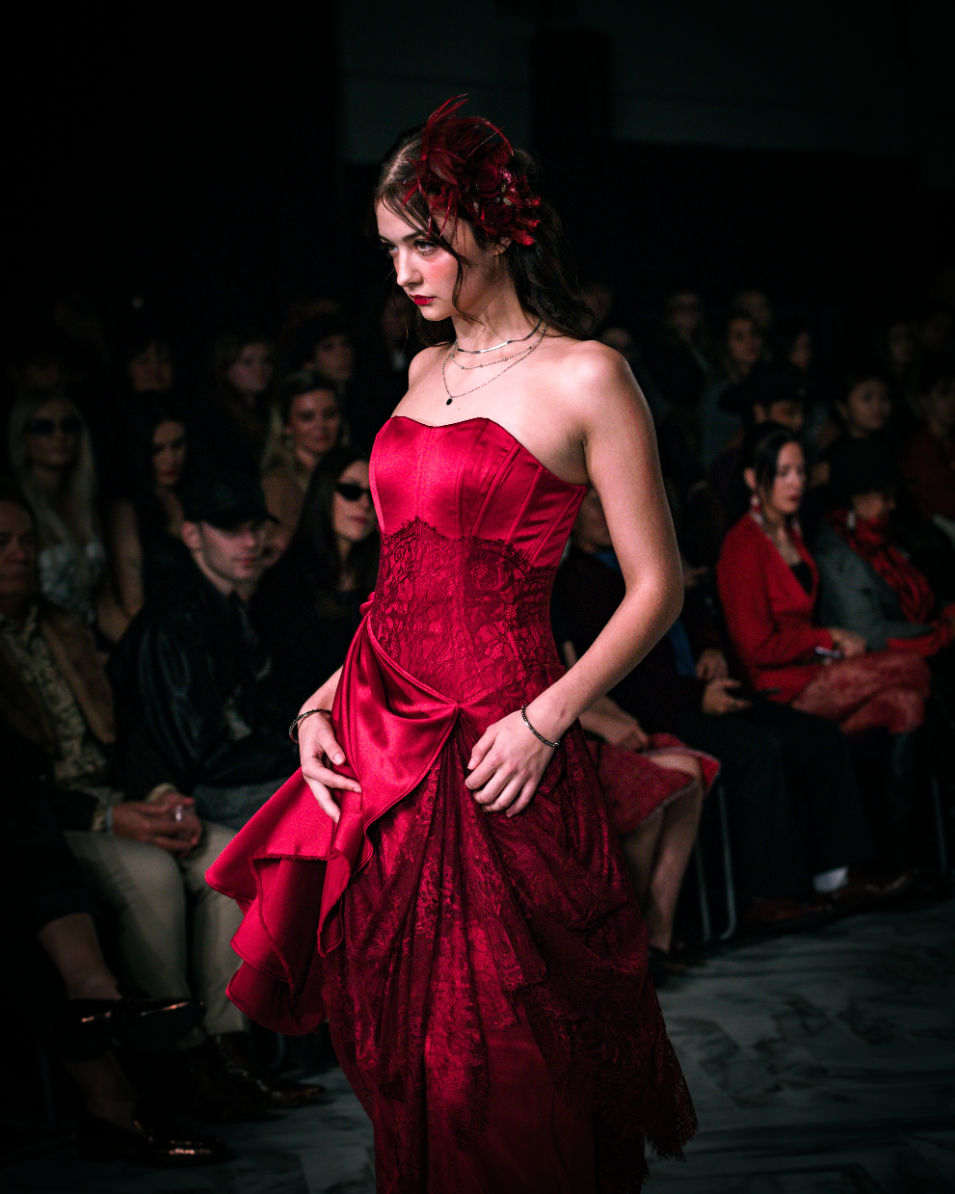
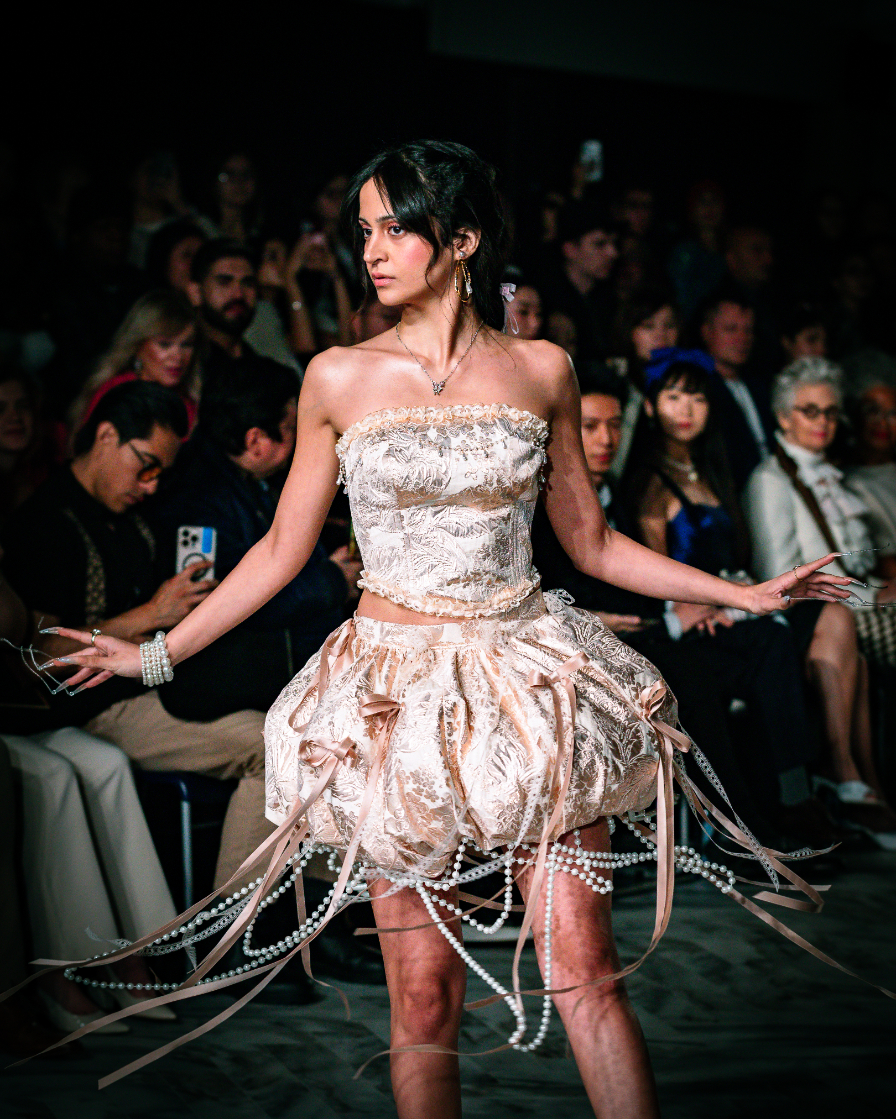
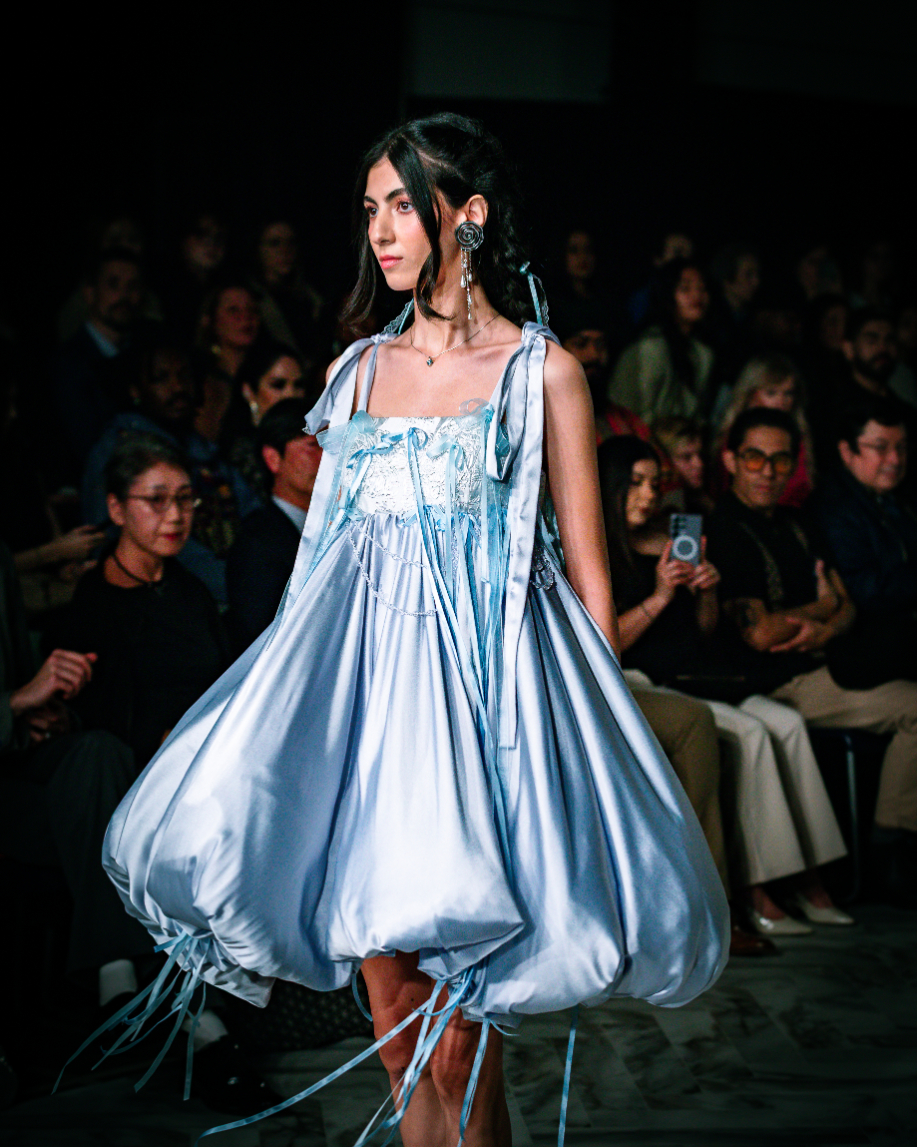
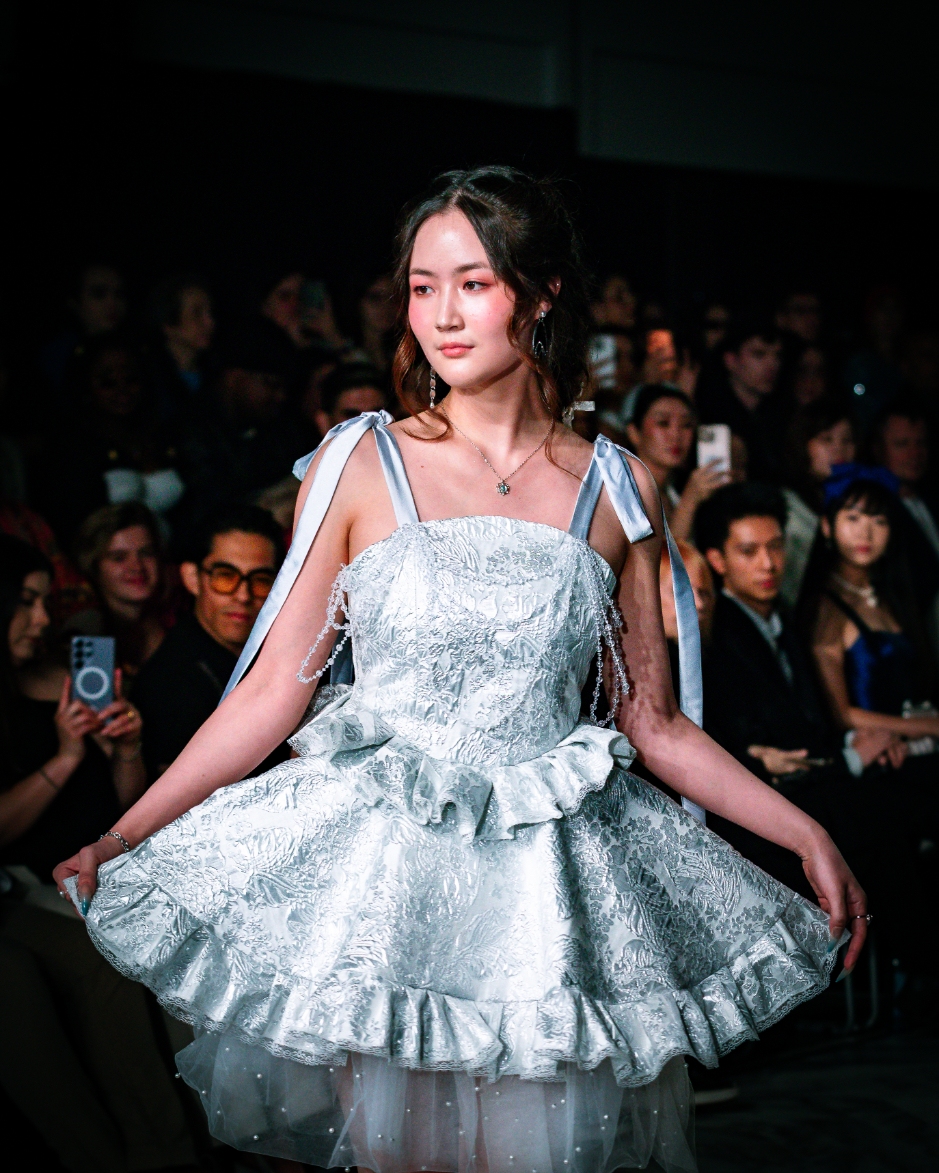
Bahar Kianpour is also becoming a VFW favourite with her eponymous label. Her collection, Raha, offered a conversation with her childhood self, expressed through ethereal lace, whimsical creations and garments imbued with emotional resonance.
Bahar Kianpour | Photo by Leo Le for Vand Magazine
Bahar Kianpour | Photo by Leo Le for Vand Magazine
Bahar Kianpour | Photo by Leo Le for Vand Magazine
Bahar Kianpour | Photo by Leo Le for Vand Magazine
Bahar Kianpour | Photo by Leo Le for Vand Magazine
Bahar Kianpour | Photo by Leo Le for Vand Magazine
National
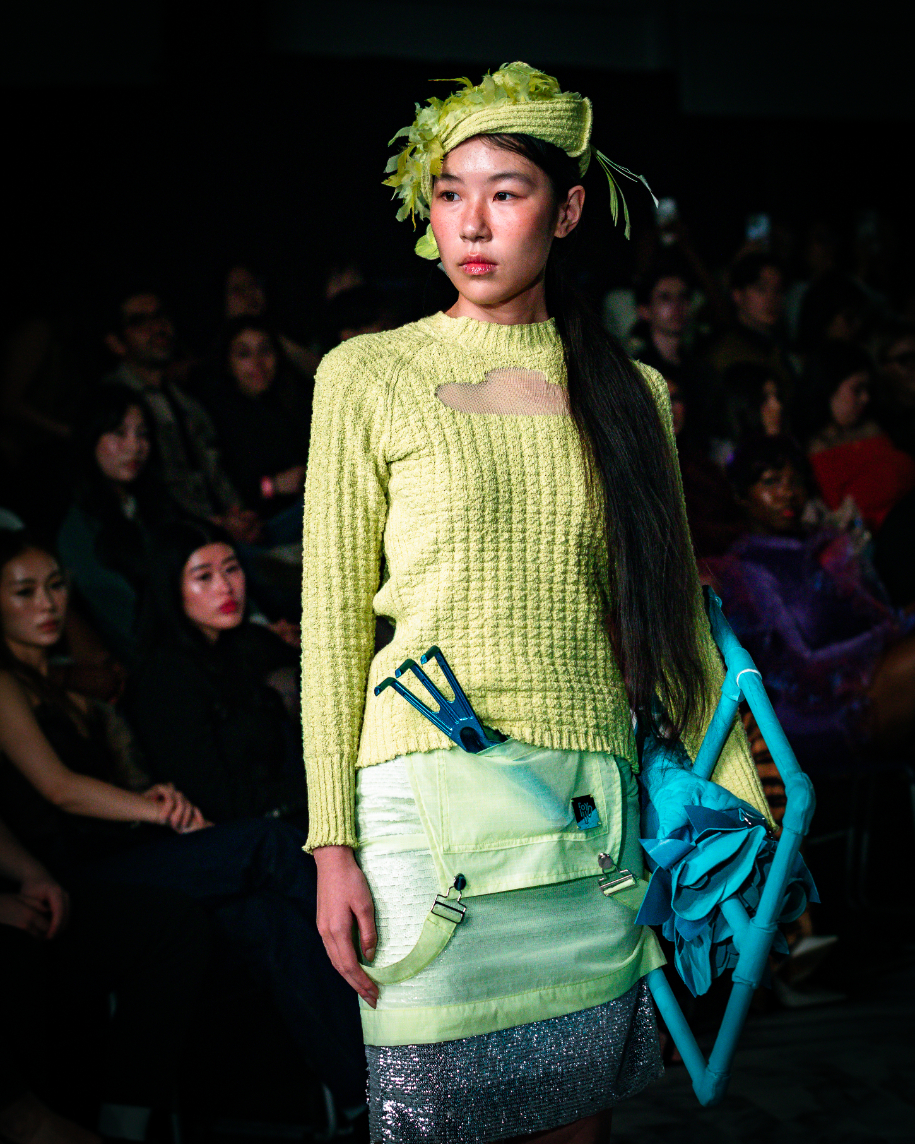
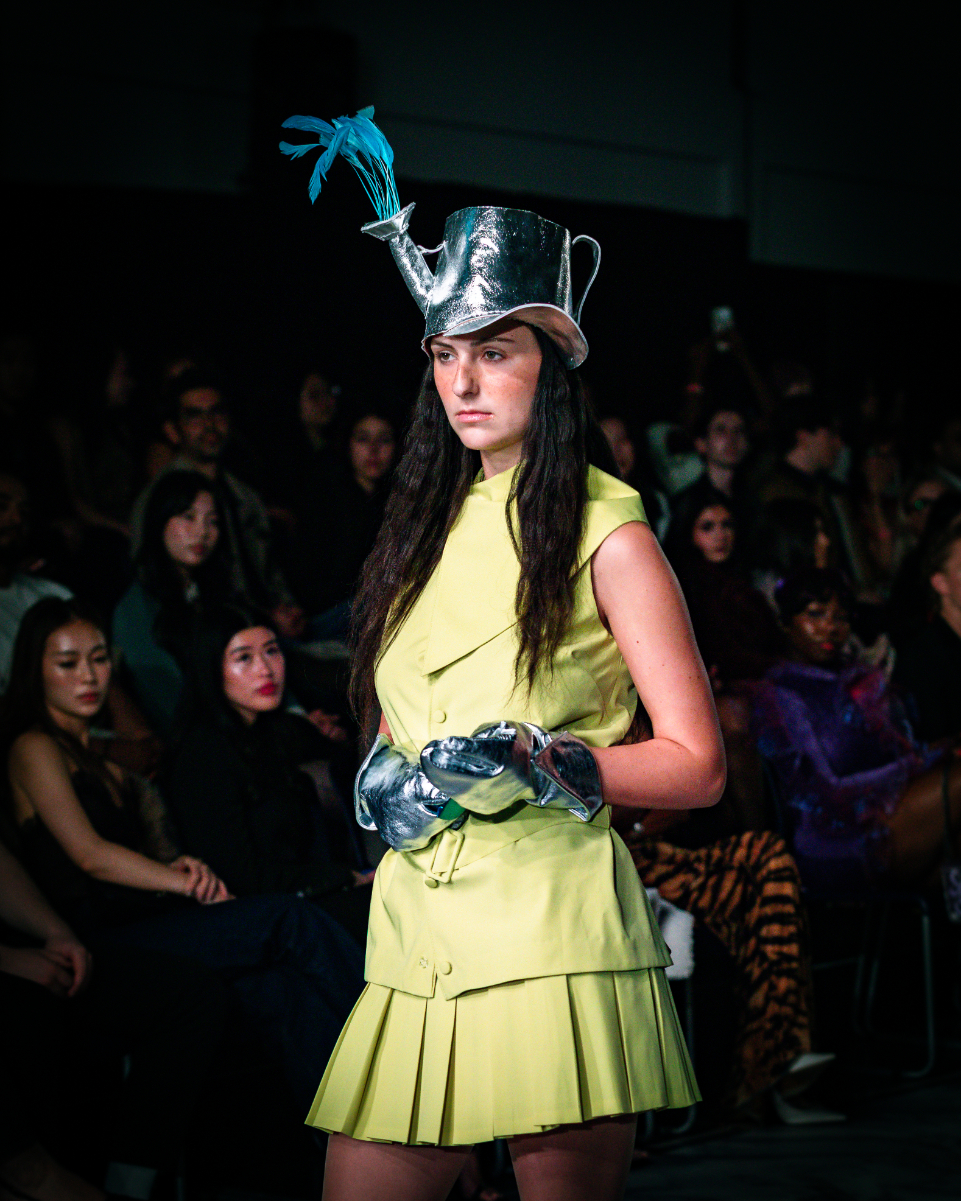
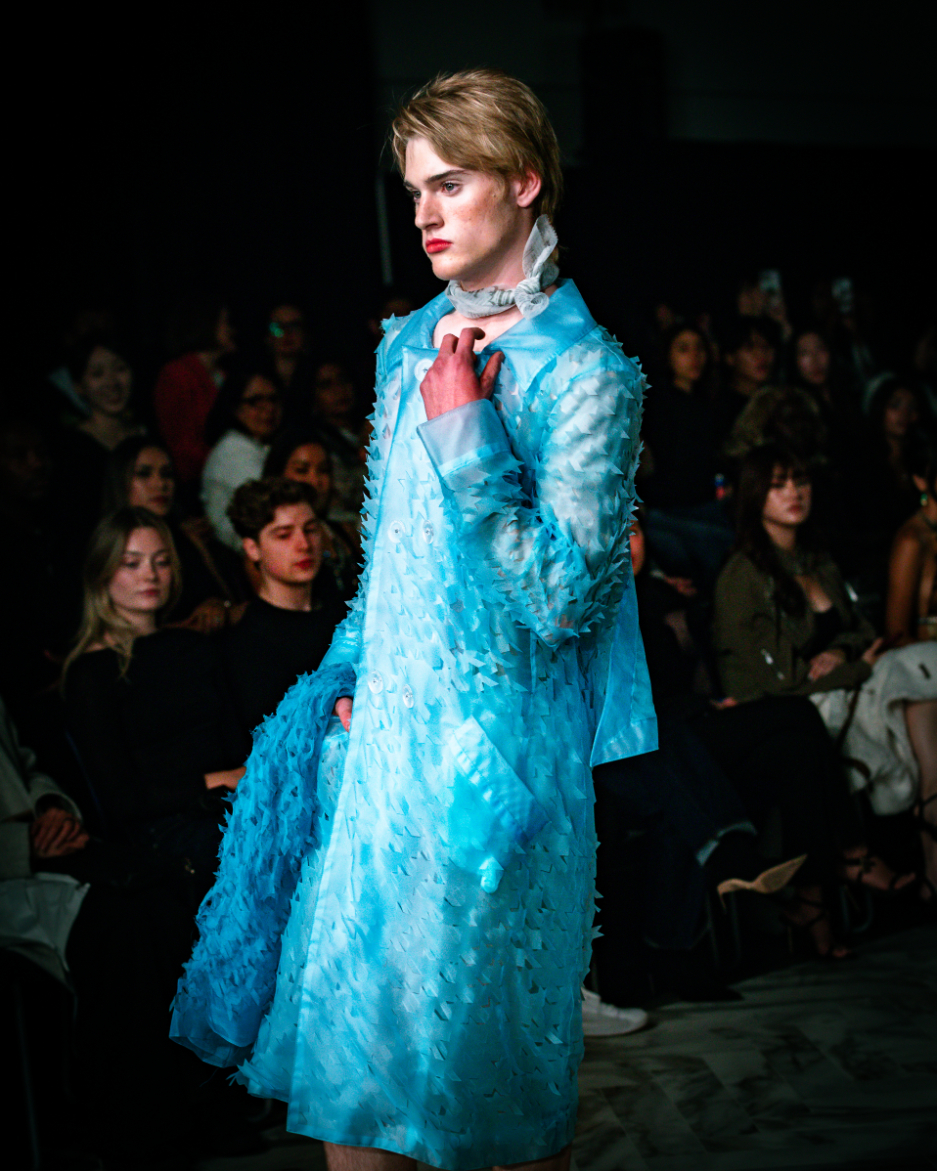
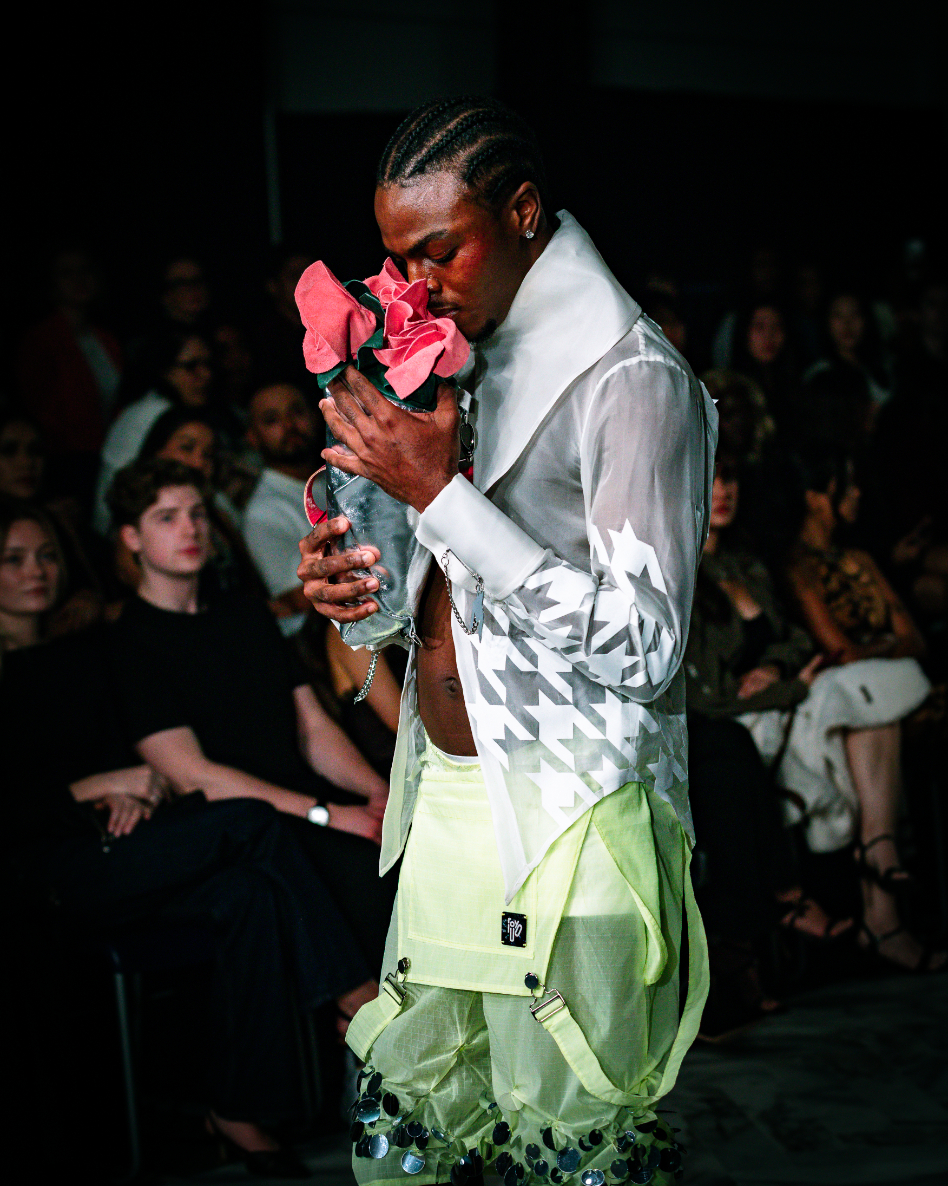
Toronto-born Chinese Canadian designer Roy Luo brought his collection, Toy Garden, to Vancouver from his current home in New York. A playful exploration of queer styling, the collection examined the relationship between play and labour. A fresh palette of chartreuse and turquoise enlivened a PVC car coat and an unconventional pairing of overalls with a sheer, gauzy shirt. It was a collection that brought this critic genuine joy.
Roy Luo | Photo by Leo Le for Vand Magazine
Roy Luo | Photo by Leo Le for Vand Magazine
Roy Luo | Photo by Leo Le for Vand Magazine
Roy Luo | Photo by Leo Le for Vand Magazine
Roy Luo | Photo by Leo Le for Vand Magazine
Roy Luo | Photo by Leo Le for Vand Magazine
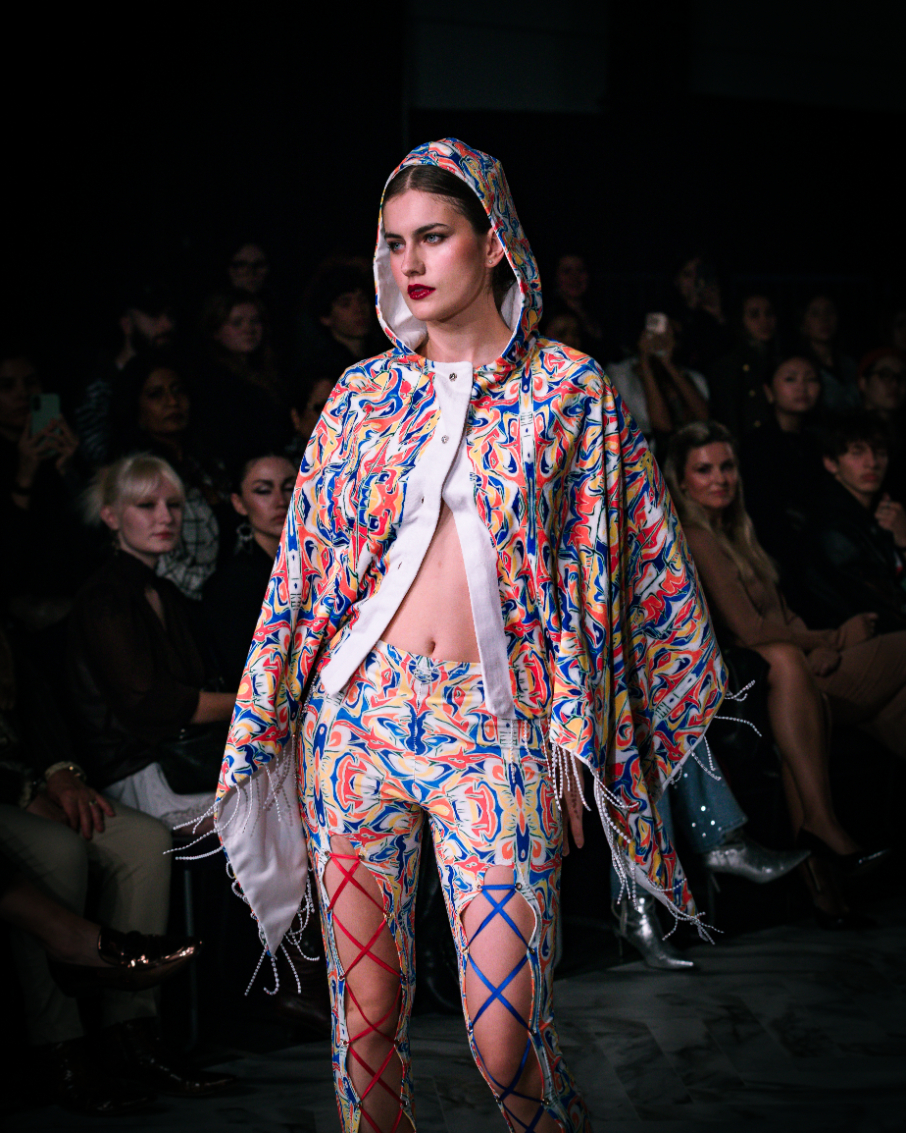
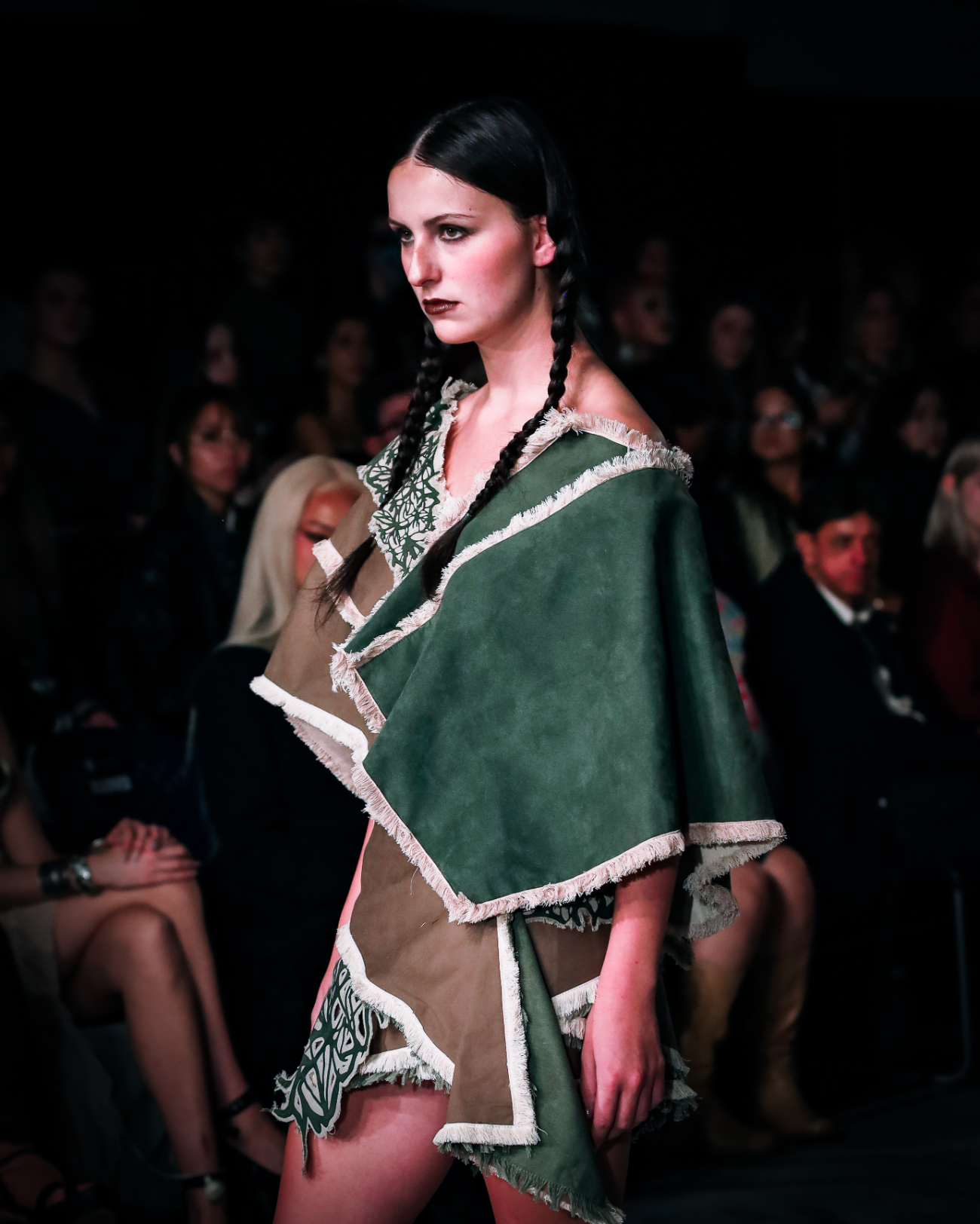
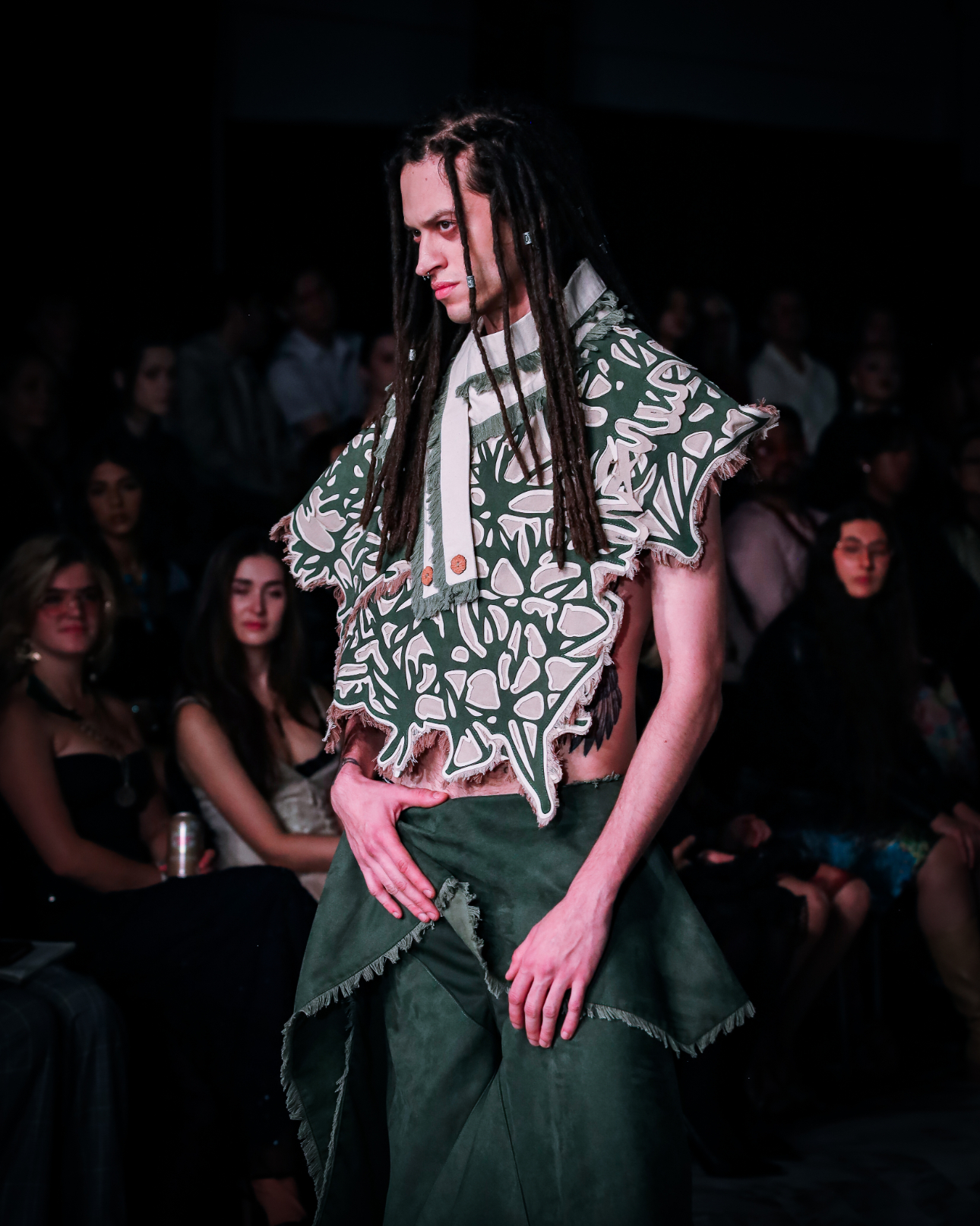
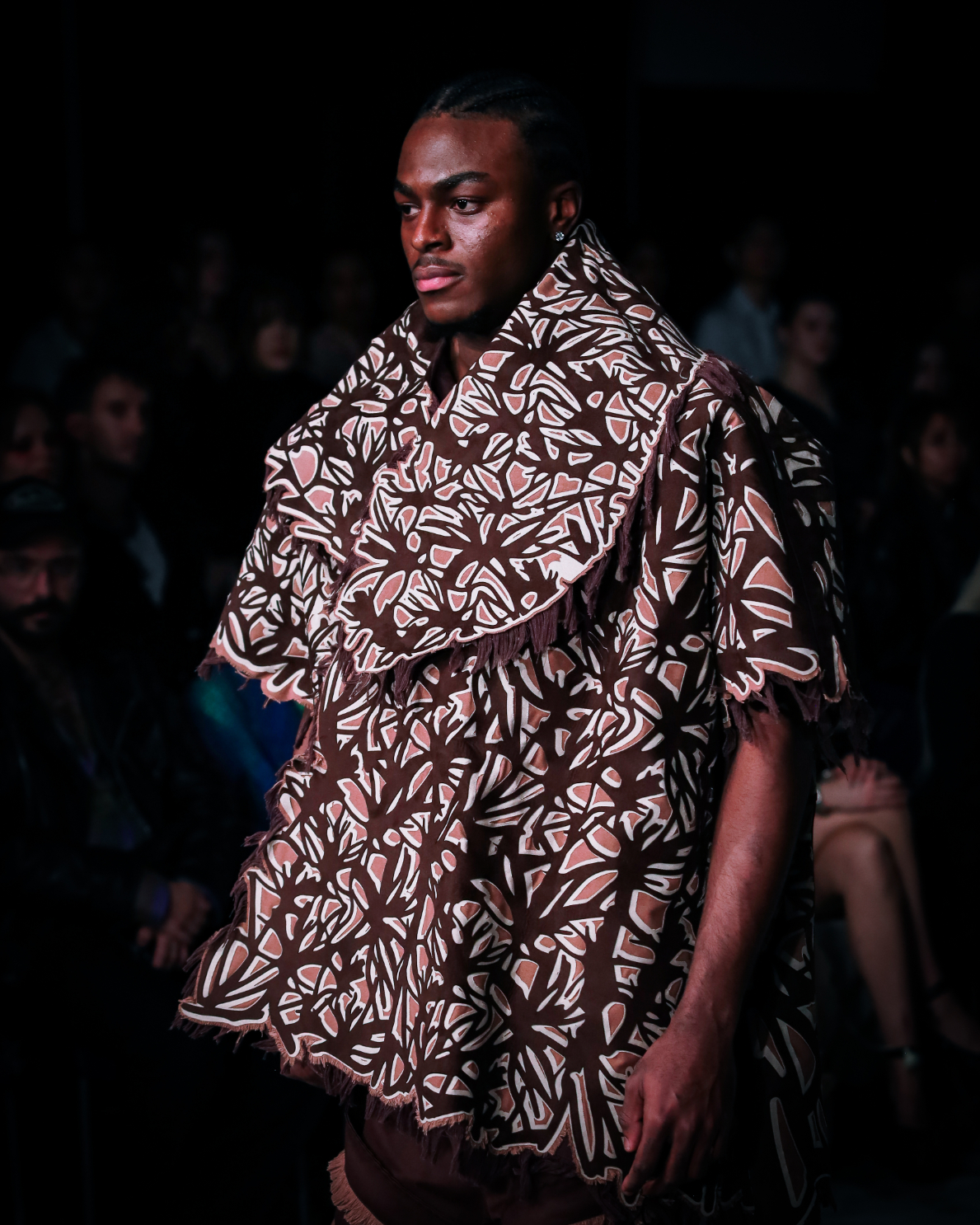
The runway also erupted in colour and pattern with a presentation by Indigenous designer Reggie Harrold from Fort Nelson, B.C. Harrold created the striking print featured throughout the collection from one of her own paintings. Incorporating sinew, dreamcatchers and traditional Indigenous techniques, her work brought First Nations fashion into the spotlight.
.
Reggie Harold | Photo by Leo Le for Vand Magazine
Reggie Harold | Photo by Leo Le for Vand Magazine
Reggie Harold | Photo by Leo Le for Vand Magazine
Reggie Harold | Photo by Leo Le for Vand Magazine
Reggie Harold | Photo by Leo Le for Vand Magazine
Reggie Harold | Photo by Leo Le for Vand Magazine
Delayne Dixon, a former Project Runway contestant, presented her collection, The Shallows, inspired by the ocean’s beauty, mystery and sand. Crafted from upcycled fabrics, the collection explored metallic finishes and fluid draping, with a candlelit dress providing a memorable highlight. Dixon was also honoured with Vancouver Fashion Week’s Nancy Mak Award, recognizing exceptional emerging Canadian designers.
Delayne Dixon | Photo by Leo Le for Vand Magazine
Delayne Dixon | Photo by Leo Le for Vand Magazine
Delayne Dixon | Photo by Leo Le for Vand Magazine
Delayne Dixon | Photo by Leo Le for Vand Magazine
Delayne Dixon | Photo by Leo Le for Vand Magazine
Delayne Dixon | Photo by Leo Le for Vand Magazine
International
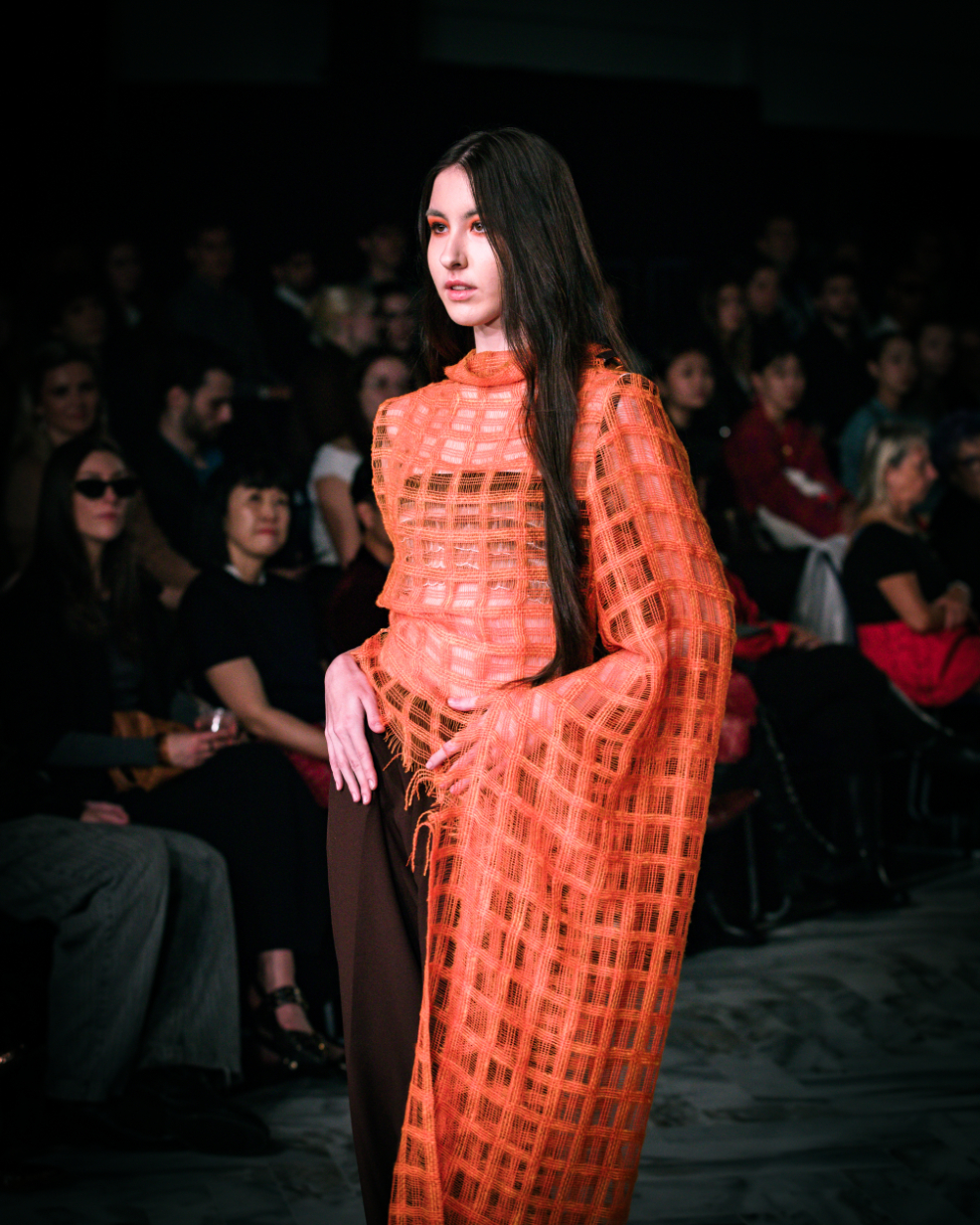
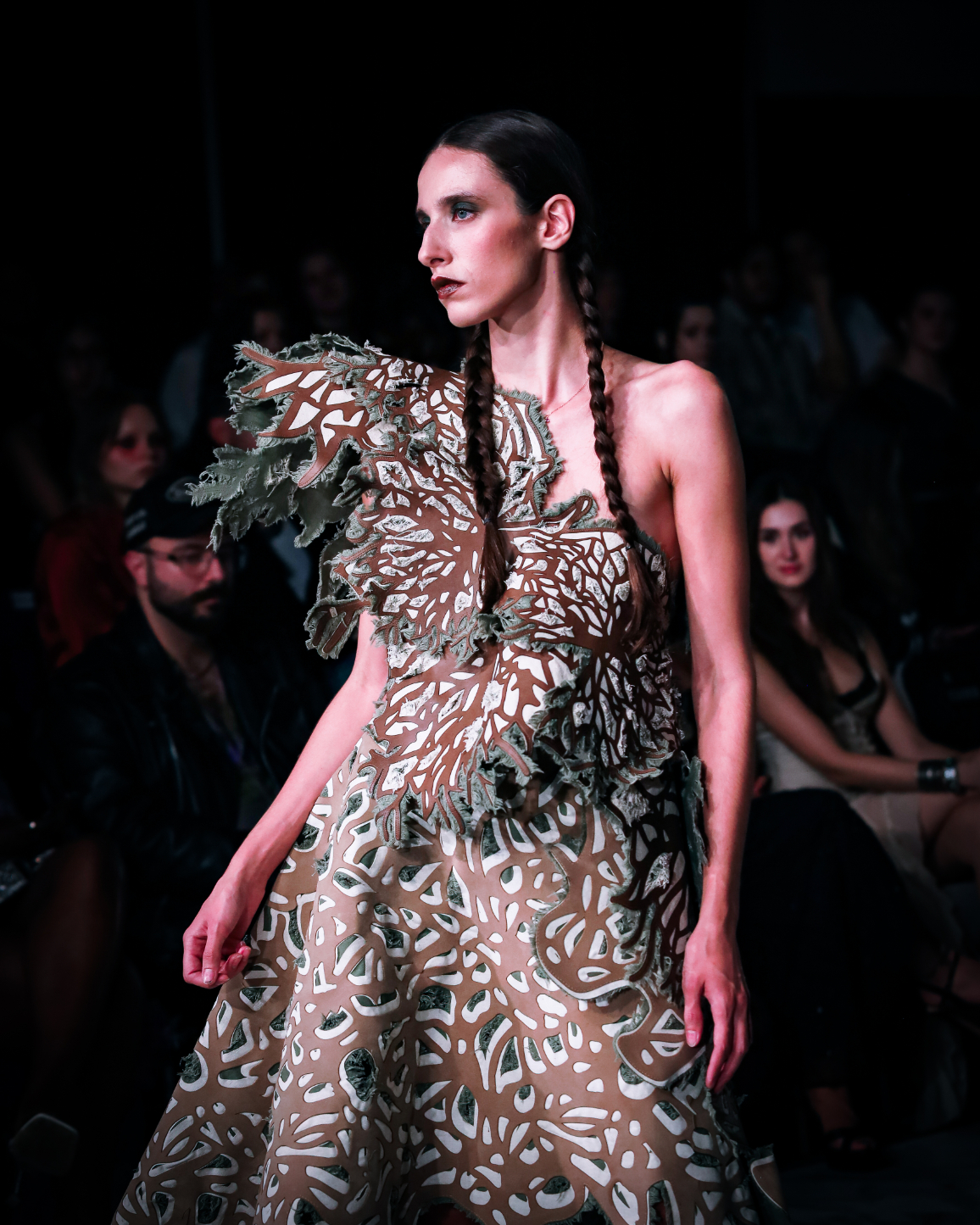
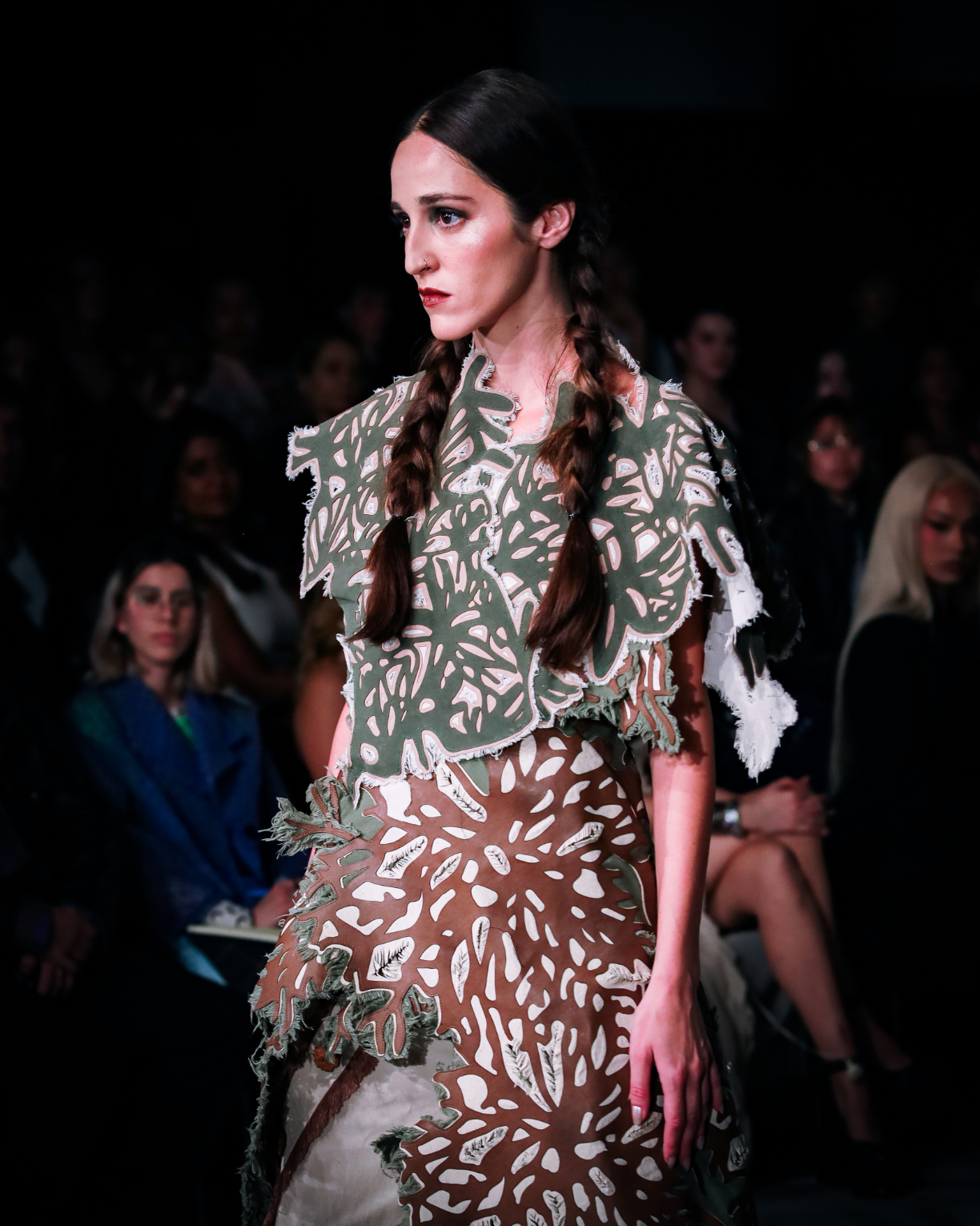
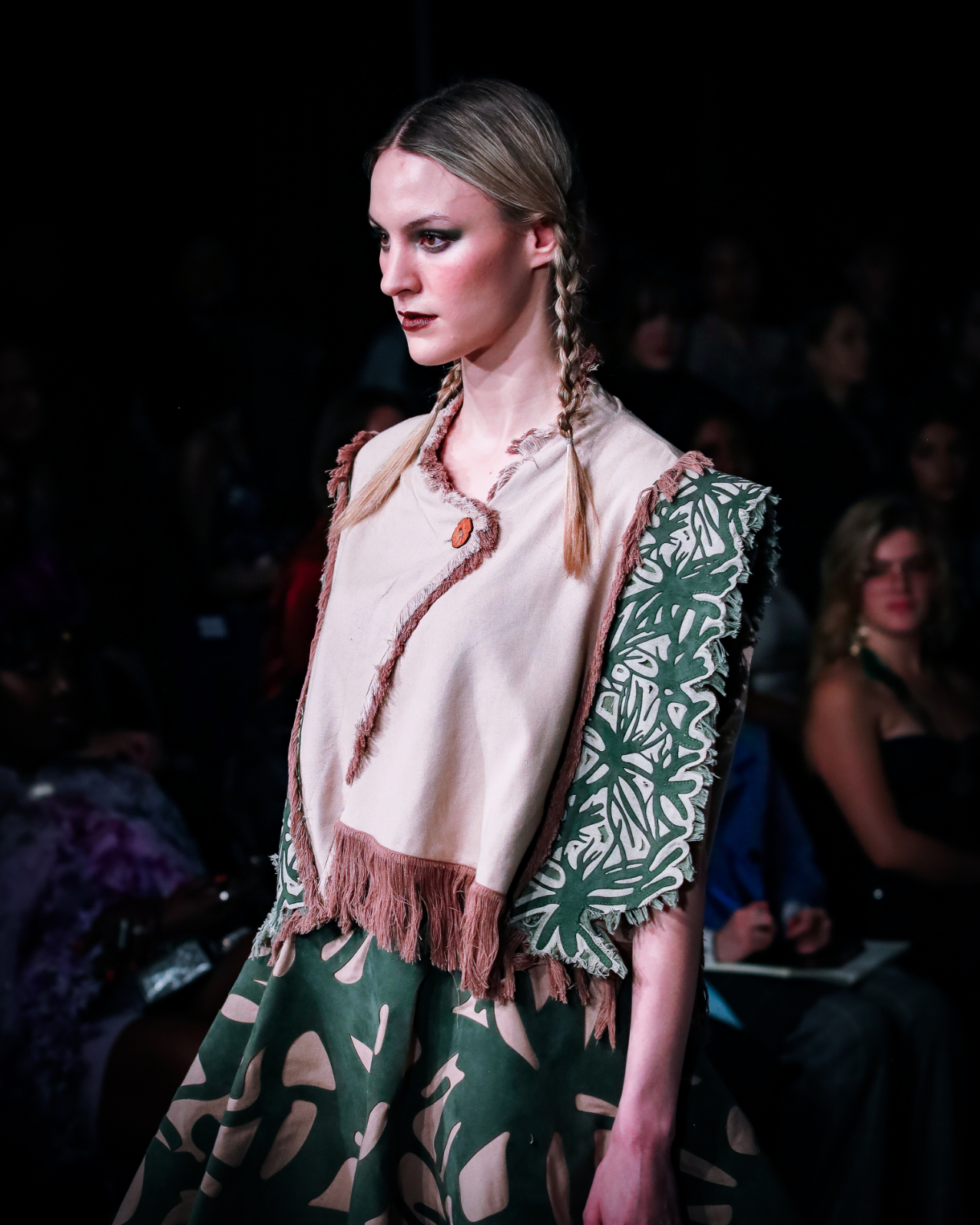
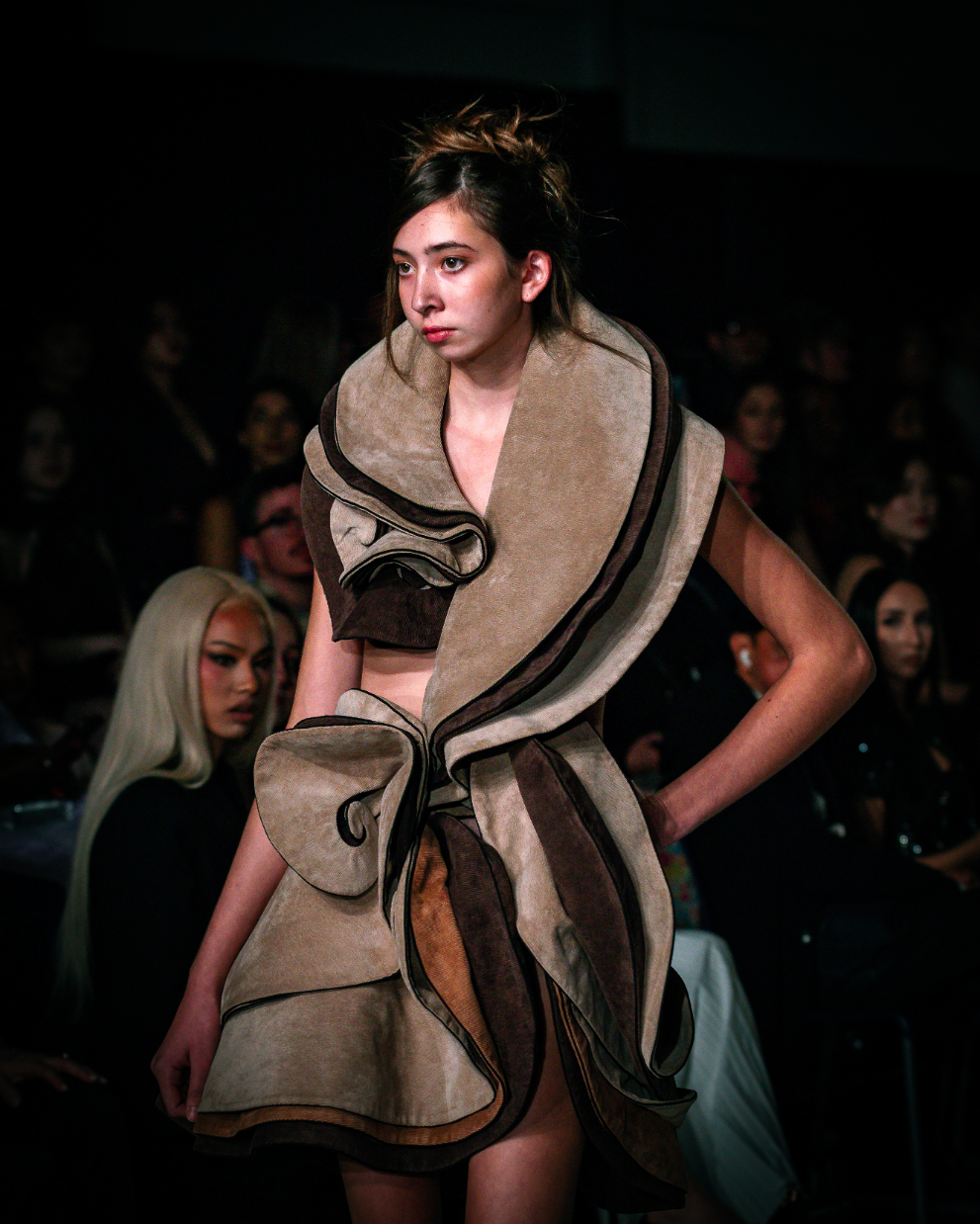
Vancouver Fashion Week showcases designers from around the globe, reinforcing its commitment to diversity. Two Colombian designers made their VFW debuts this season. Luisa Fernanda Castillo‘s work combines innovation, textile experimentation and conceptual design. Her garments had an organic quality, with an earth-toned palette that evoked a jungle canopy. Cutouts and roughly hewn edges added texture and an intriguing sense of rawness.
Luisa Fernanda Castillo | Photo by Leo Le for Vand Magazine
Luisa Fernanda Castillo | Photo by Leo Le for Vand Magazine
Luisa Fernanda Castillo | Photo by Leo Le for Vand Magazine
Luisa Fernanda Castillo | Photo by Leo Le for Vand Magazine
Luisa Fernanda Castillo | Photo by Leo Le for Vand Magazine
Luisa Fernanda Castillo | Photo by Leo Le for Vand Magazine
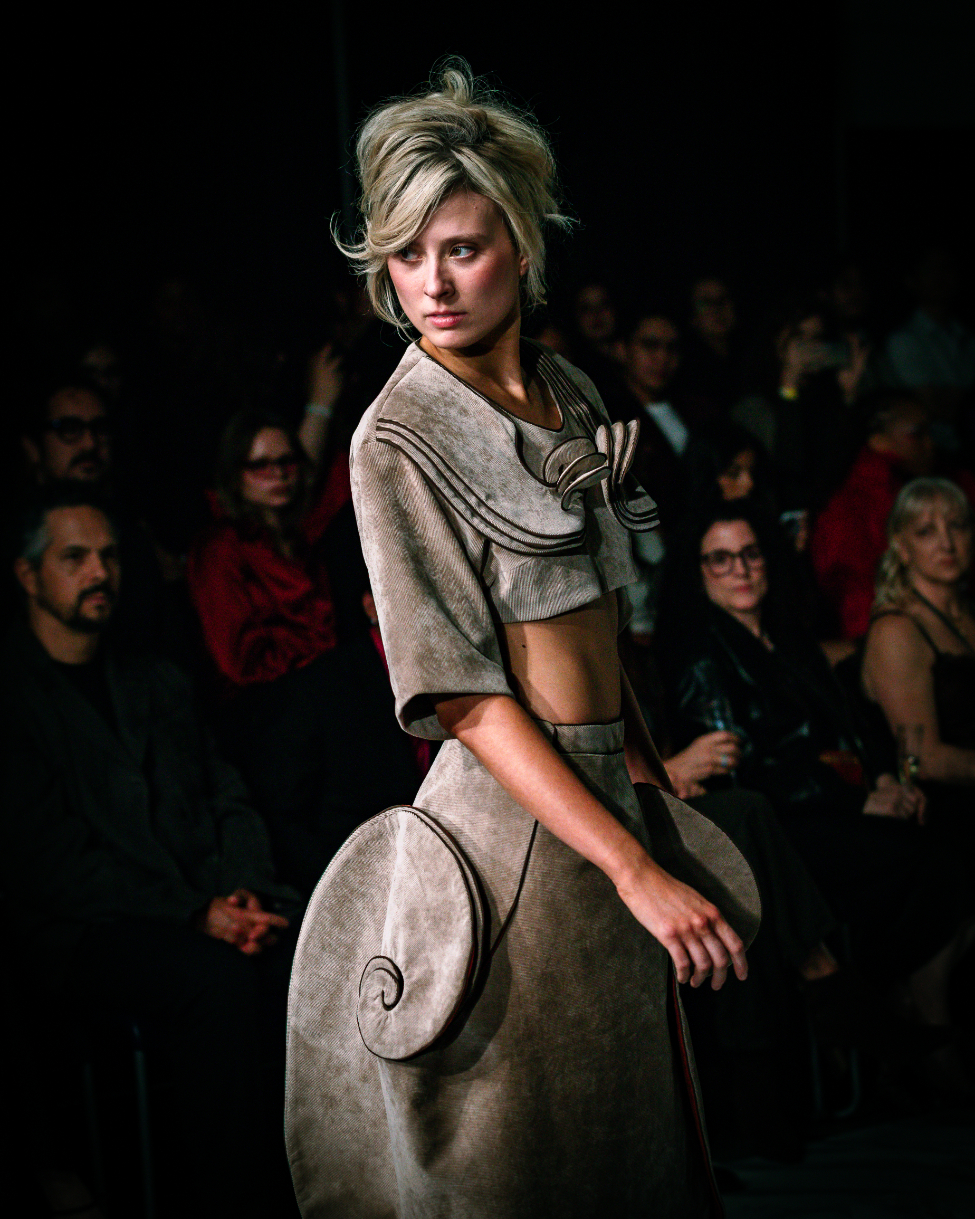
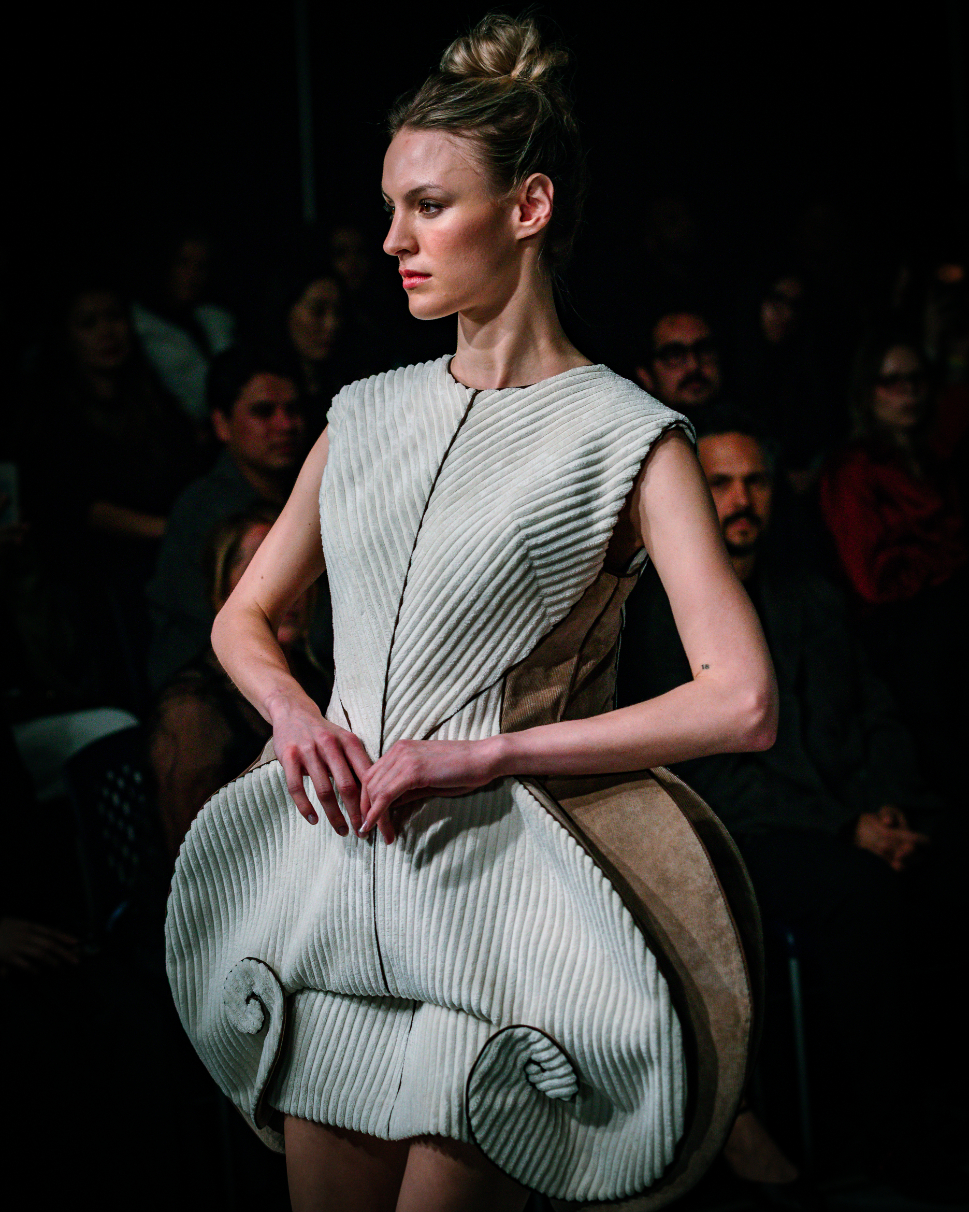
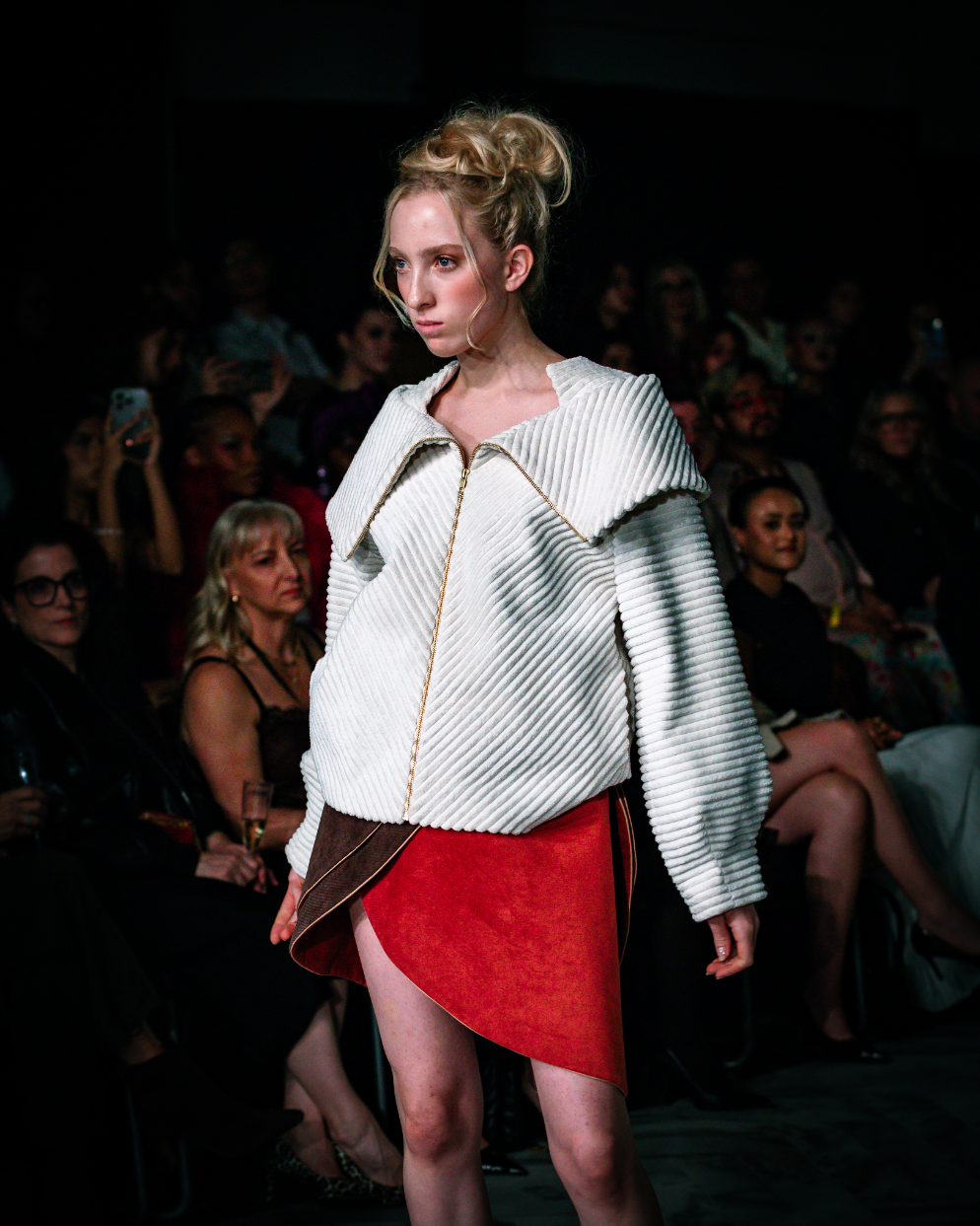
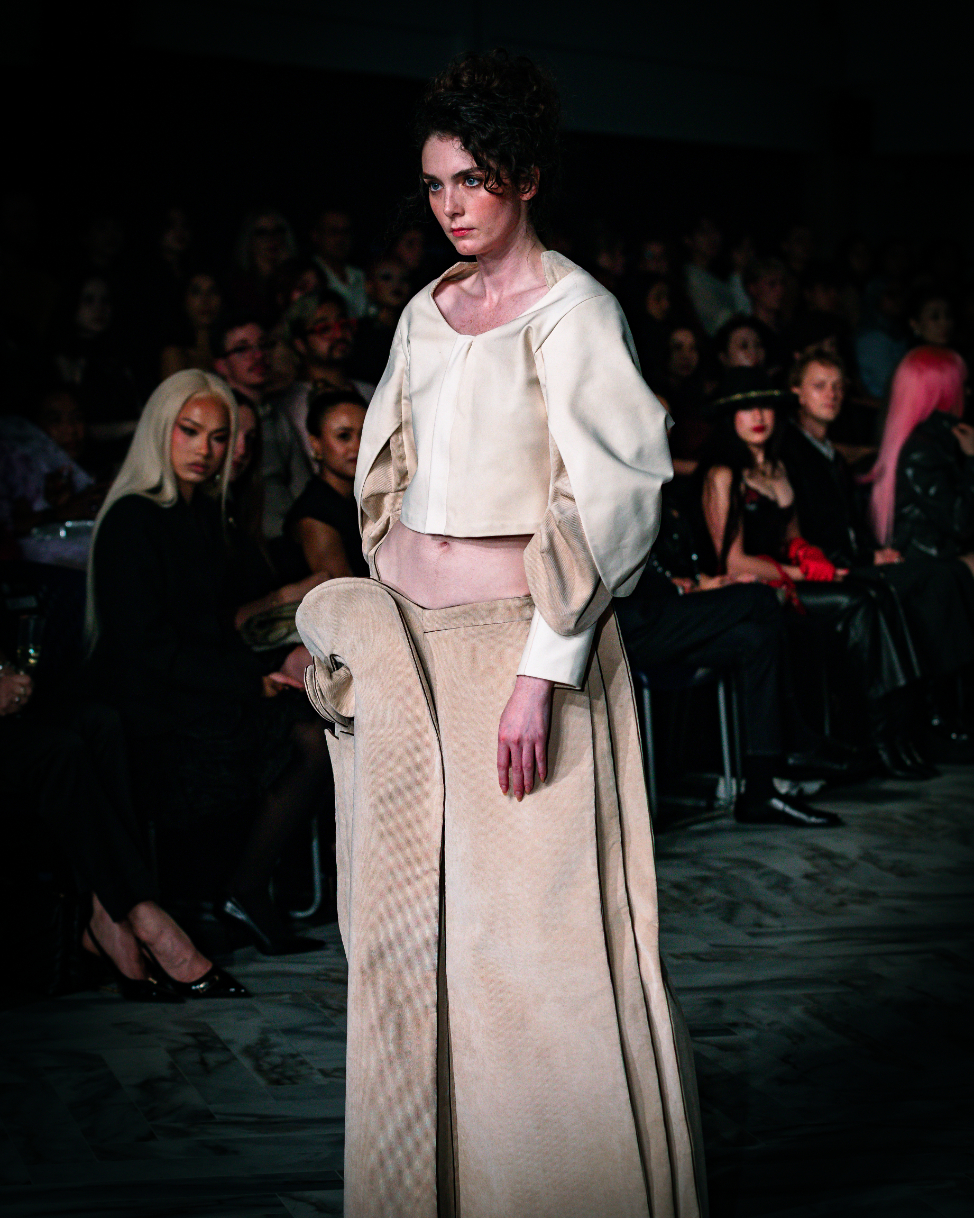
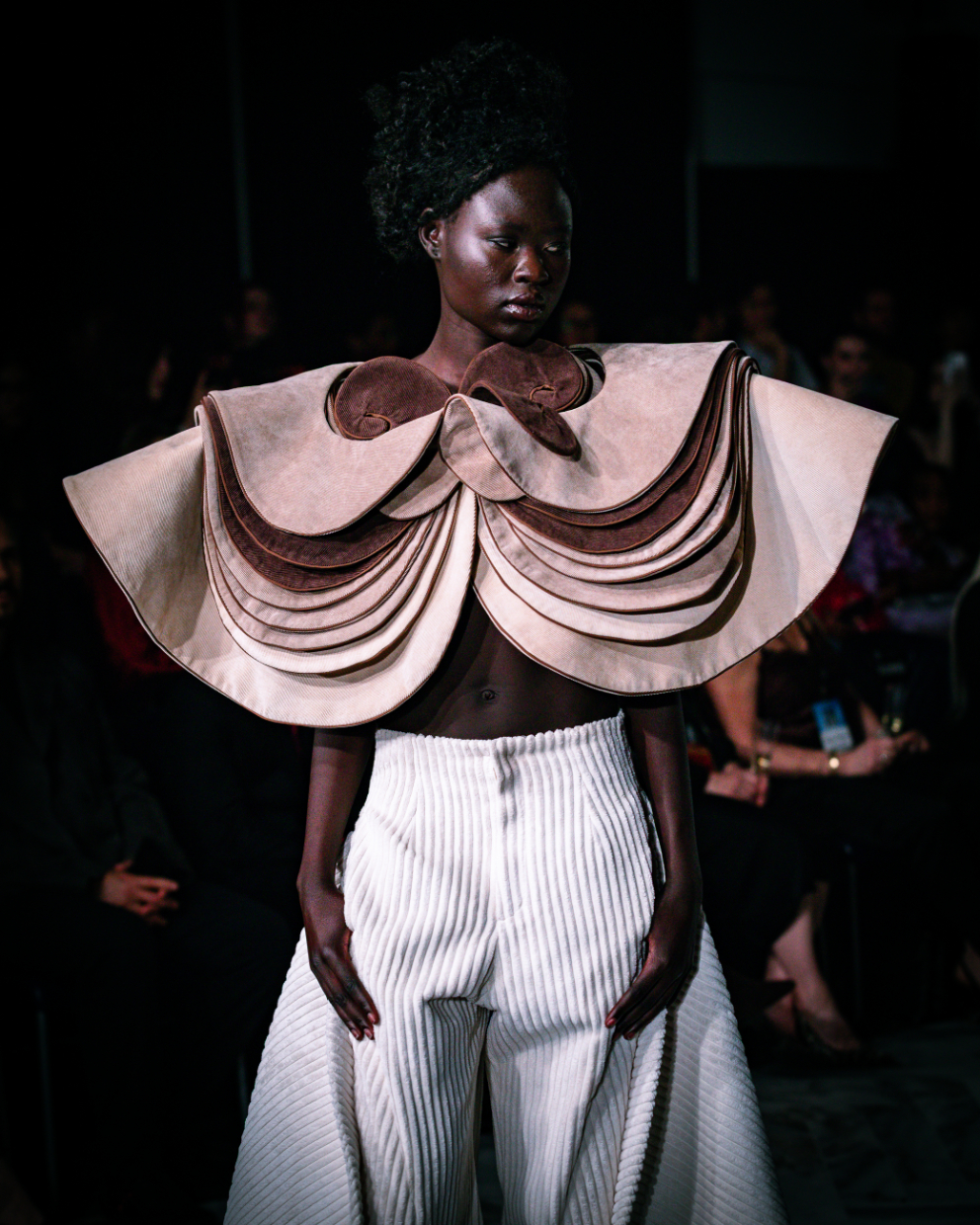
The second Colombian designer, Leidy Laura Rendón Cardona, explored the relationship between the human body, movement and clothing through a distinctive design perspective. Her collection occupied a space between commercial and conceptual fashion, with swirling spirals and exaggerated silhouettes that challenged conventional proportions.
Leidy Laura Rendón Cardona | Photo by Leo Le for Vand Magazine
Leidy Laura Rendón Cardona | Photo by Leo Le for Vand Magazine
Leidy Laura Rendón Cardona | Photo by Leo Le for Vand Magazine
Leidy Laura Rendón Cardona | Photo by Leo Le for Vand Magazine
Leidy Laura Rendón Cardona | Photo by Leo Le for Vand Magazine
Leidy Laura Rendón Cardona | Photo by Leo Le for Vand Magazine
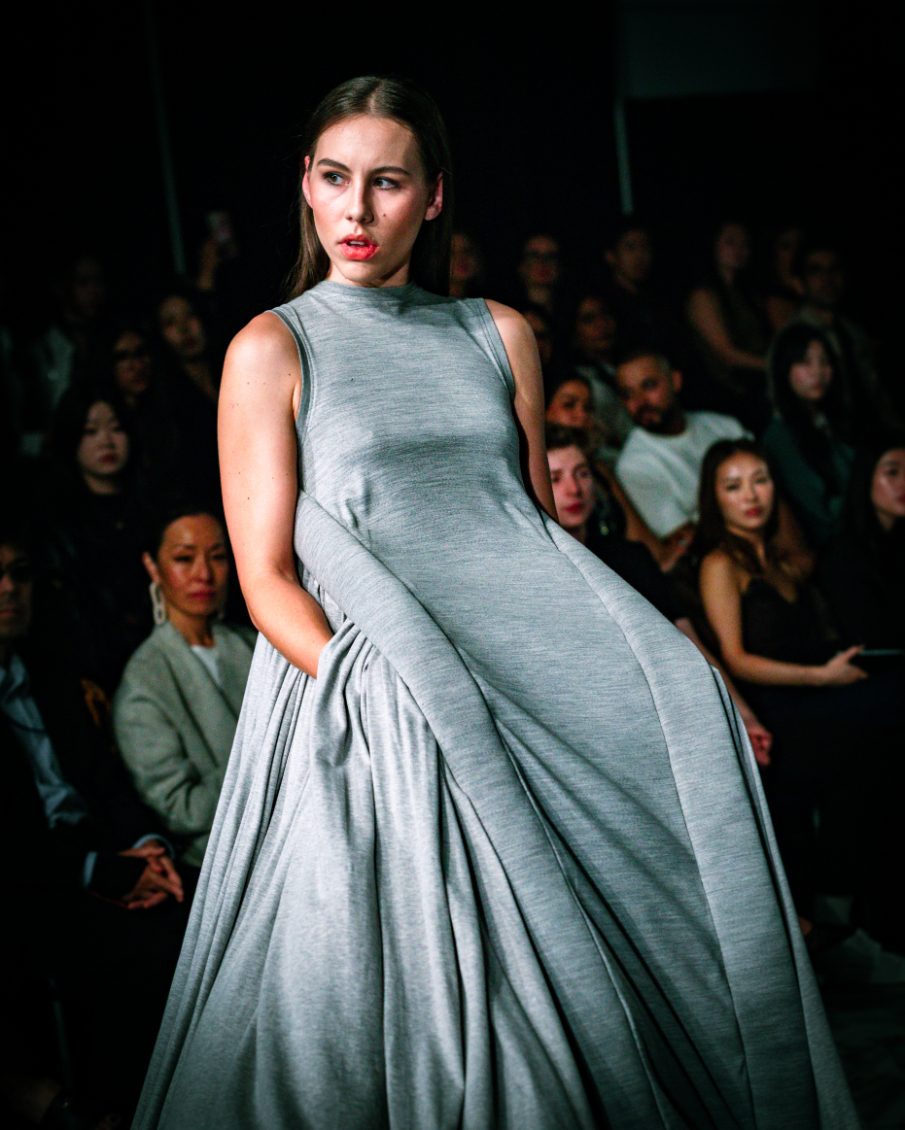
French designer Naya El Ahdab presented Levez-vous (“Rise Up”), an enthralling collection informed by her experience as a lifelong wheelchair user. Exploring the seated position, El Ahdab offered a fresh perspective on the relationship between clothing, the body and space. In conversation, she told me, “Throughout the day we all share the seated position, making us no different.”
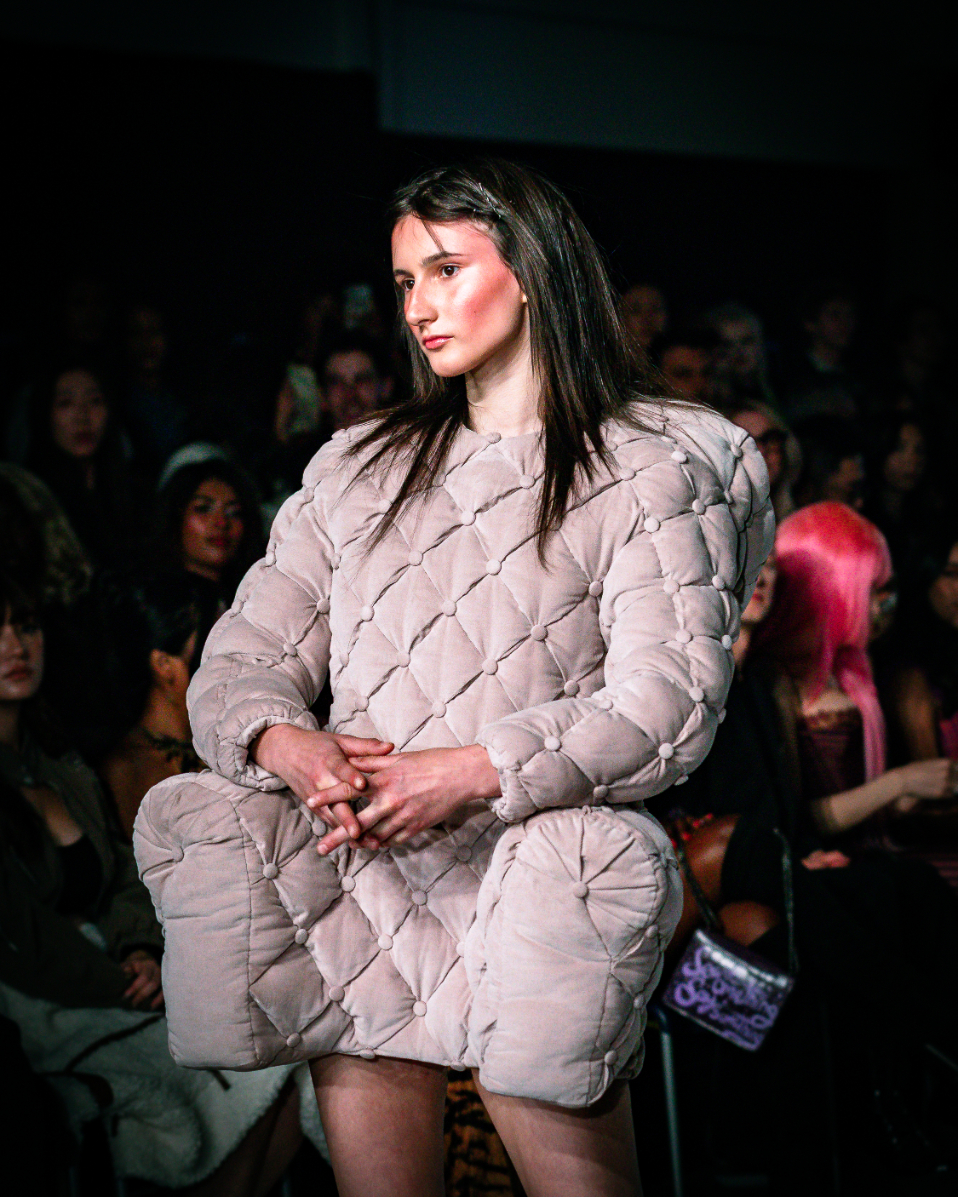
Jersey, knitwear, draping, volume and evolving silhouettes shaped the collection. The chair emerged as a central symbol, representing rest, work, connection, limitation and freedom. As the models glided down the runway, draped jersey took on unexpected forms: Parisian bistro chairs, a tube dress cocooning the body, a sofa dress and garments that reinterpreted the seated figure. An award-winning designer, El Ahdab delivered a moving and sophisticated collection that invited us to reconsider how fashion engages with the body and the spaces we inhabit.
Naya El Ahdab | Photo by Leo Le for Vand Magazine
Naya El Ahdab | Photo by Leo Le for Vand Magazine
Naya El Ahdab | Photo by Leo Le for Vand Magazine
Naya El Ahdab | Photo by Leo Le for Vand Magazine
Naya El Ahdab | Photo by Leo Le for Vand Magazine
Parisian-born Daphnée Charot named her label XOA in honour of her Vietnamese grandmother, who immigrated to France in the late 1940s and worked as a seamstress at Balmain. When I asked Charot about the connection between her heritage and her work, she explained, “My label at the current time does not have a Vietnamese influence, as I have no first-hand knowledge of Vietnam. However, that might change as I plan to explore my heritage on an upcoming trip to Vietnam.”
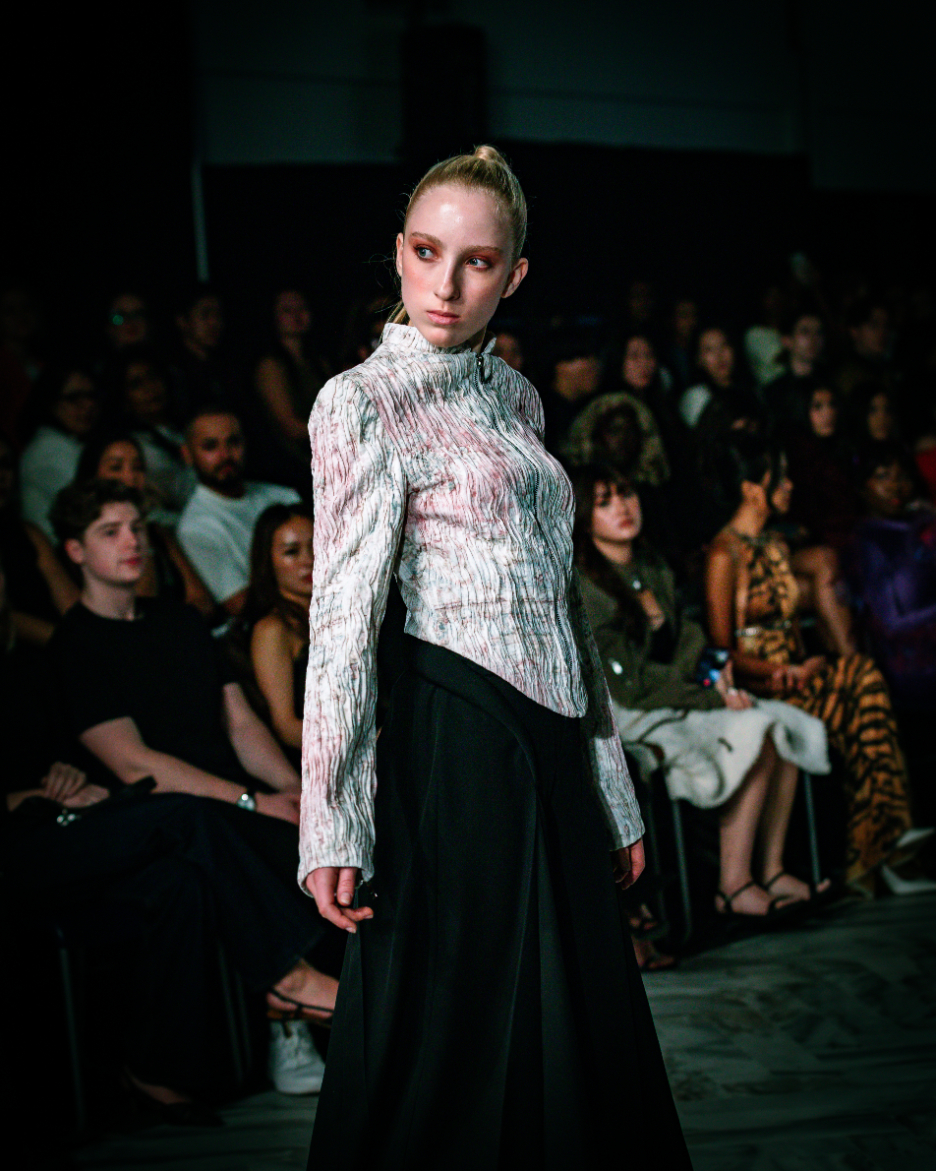
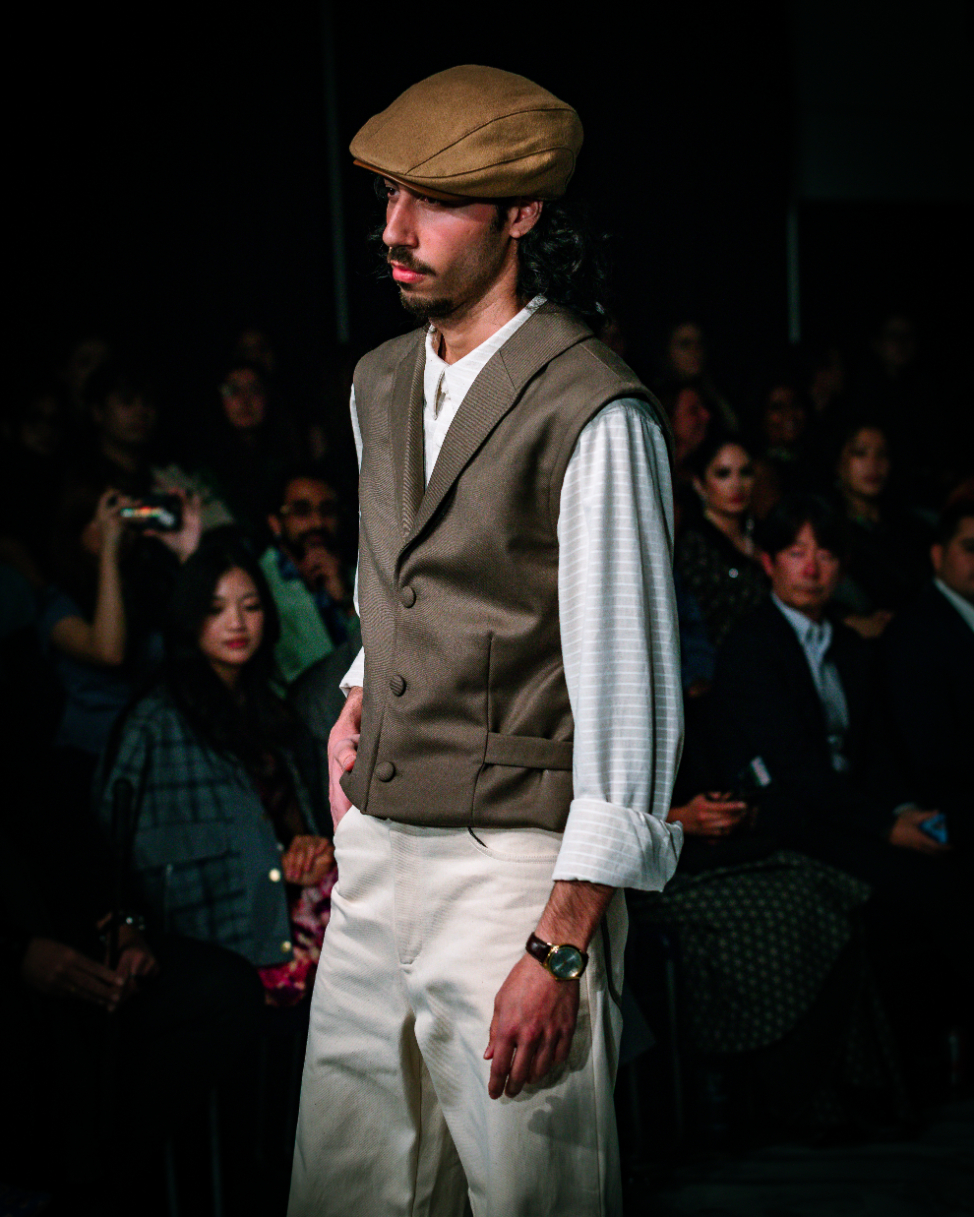
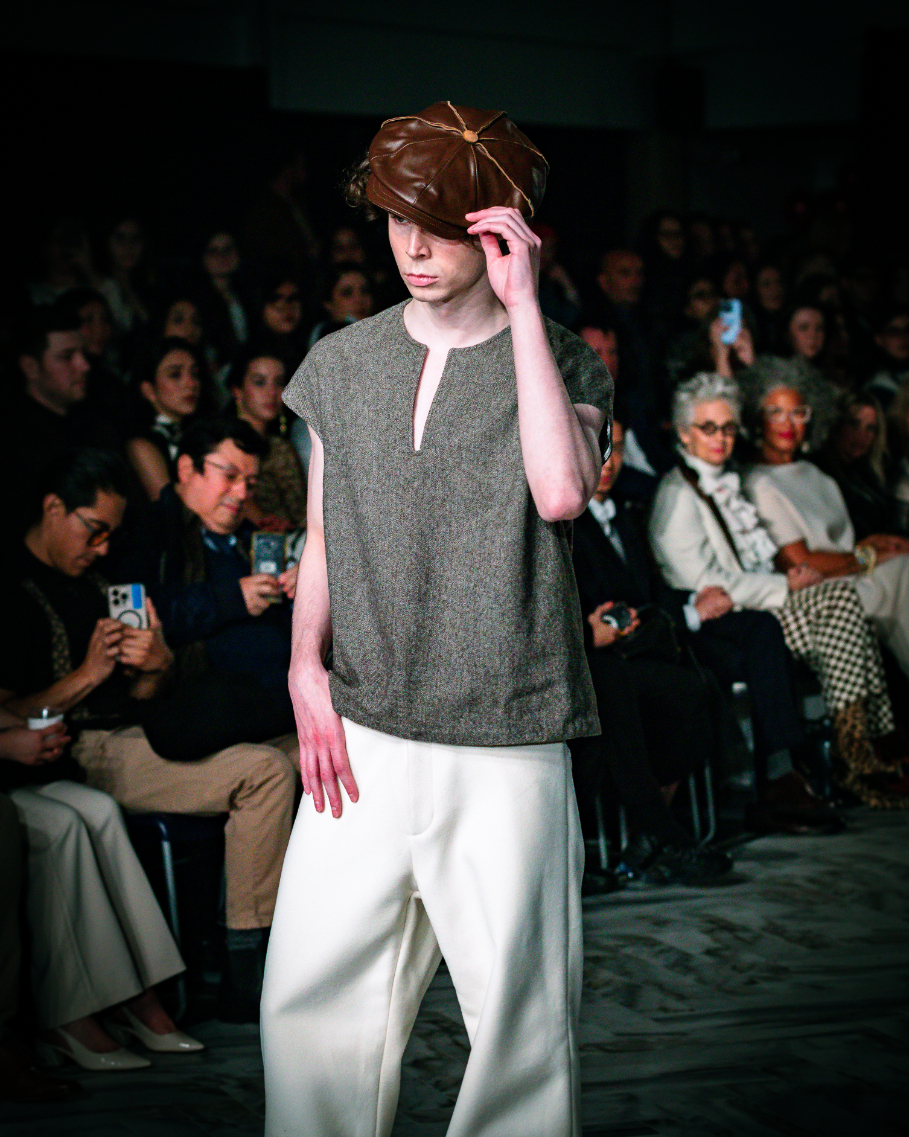
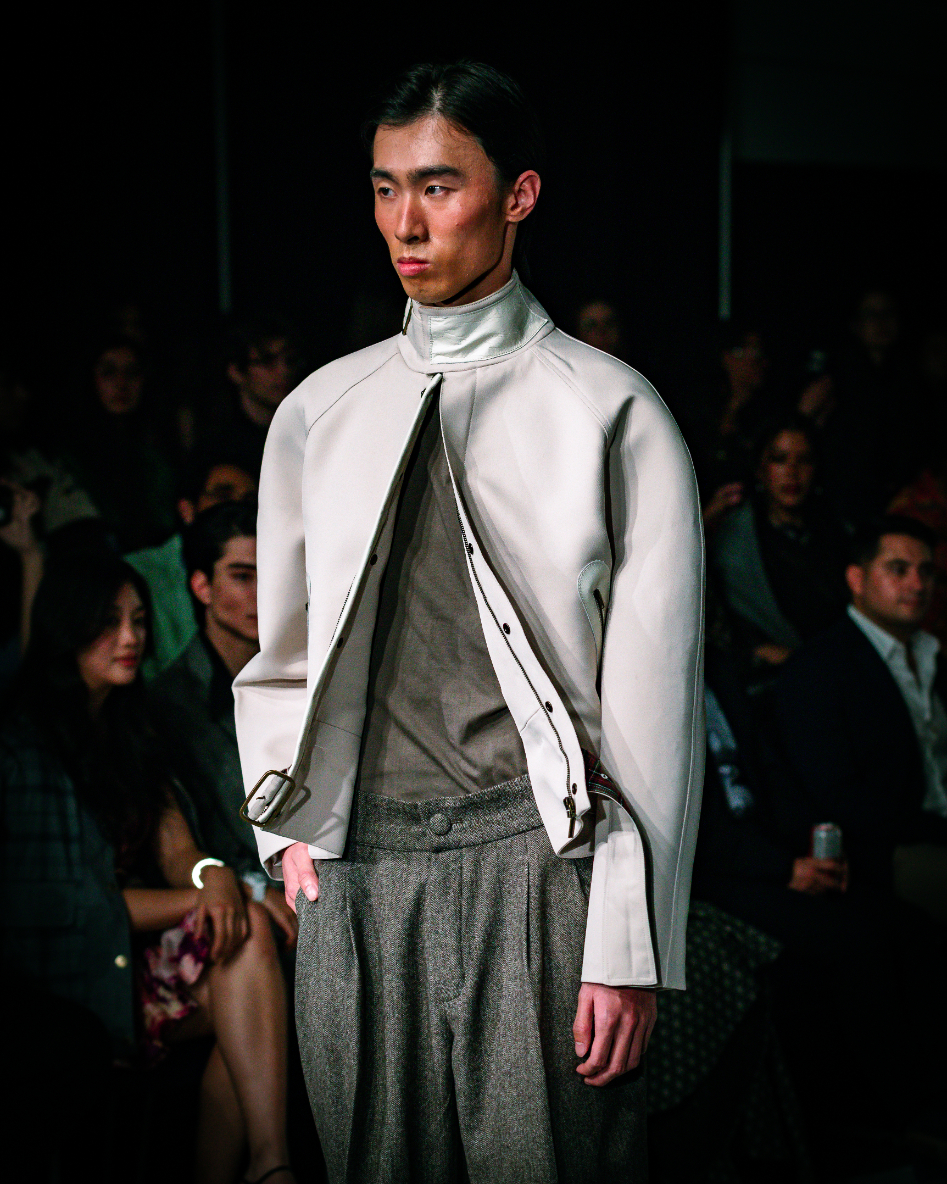
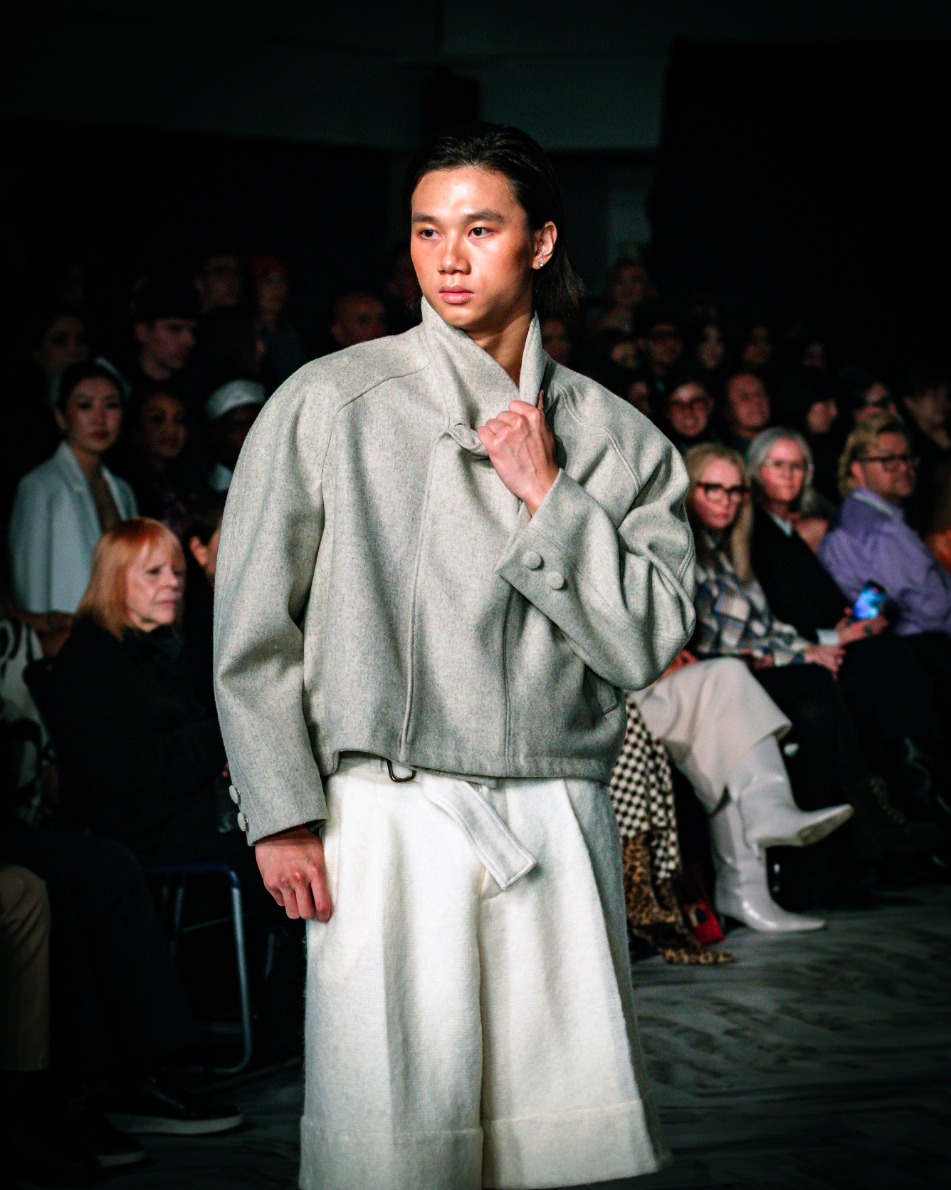
Charot’s collection, Frimas, revisited 1940s menswear through a contemporary lens. Standout pieces included a white leather aviator jacket with a raw hem and a beautifully tailored cream suit. Her work demonstrated how historical references can be reinterpreted for today’s wardrobe while leaving room for a designer’s personal story and evolving creative identity.
XOA | Photo by Leo Le for Vand Magazine
XOA | Photo by Leo Le for Vand Magazine
XOA | Photo by Leo Le for Vand Magazine
XOA | Photo by Leo Le for Vand Magazine
XOA | Photo by Leo Le for Vand Magazine
XOA | Photo by Leo Le for Vand Magazine
Looking Ahead
After five nights at Vancouver Fashion Week, I came away thinking about the sheer range of talent on the runway. Some designers drew on their cultural heritage, others experimented with shape and fabric, and others challenged our ideas about the body and how we dress. Some collections made me smile; others gave me something to think about long after the models had left the runway. Together, they showed just how many different stories fashion can tell.
So, why has Vancouver Fashion Week lasted 25 years? Having spent the week meeting designers and seeing their work up close, I think much of the answer lies with Jamal Abdourahman and his determination to give them a place to show what they can do. VFW brings together people who might otherwise never meet, and I’m curious to see what the next generation of designers will bring to its runway. VFW gives emerging designers an opportunity to be seen. In a city with its own distinct creative character, that matters. Twenty-five years on, Vancouver Fashion Week is as relevant as ever.