From a young girl known for her folk songs, Phương Mỹ Chi has gradually grown into one of Vietnam’s young artists committed to bringing Vietnamese culture into contemporary music.
Nearly three years after Vũ Trụ Cò Bay, Phương Mỹ Chi returns with Dân Chơi Dân Ca – a new chapter in that journey. But this time, she is not simply singing about culture. She is taking a deeper step into understanding, connecting with, and reinterpreting traditional values through the language of her generation.
While Vũ Trụ Cò Bay drew inspiration from Vietnamese literary works and placed them within contemporary arrangements spanning Pop, Future Bass, Disco, Dance Pop and R&B, Dân Chơi Dân Ca expands that journey into a broader cultural landscape, stretching from North to South, from the highlands to the delta. The recurring image of a “cultural boat” throughout the project represents a journey of discovering Vietnam through music, where different places, people and folk traditions come together to tell a larger story of Vietnamese identity.
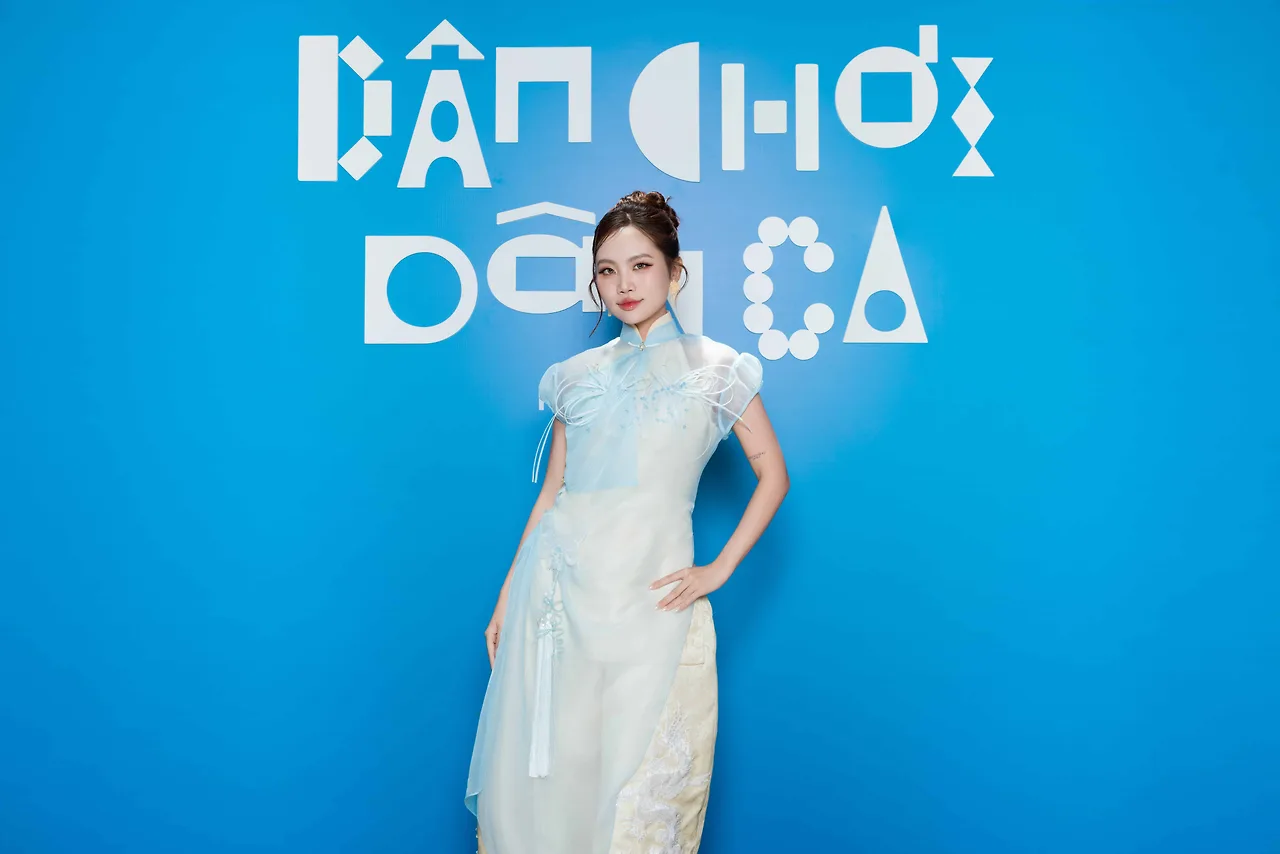
The title Dân Chơi Dân Ca itself is also a wordplay with multiple layers of meaning. “Dân chơi” here is not about a particular lifestyle, but rather the confidence, curiosity and awareness with which a younger generation approaches culture. “Playing with folk music” then, is no longer something reserved for those already familiar with tradition. It becomes an invitation for anyone to explore, sing, and carry these ancestral melodies forward through the language of their own time.
What sets Dân Chơi Dân Ca apart is also the way Phương Mỹ Chi and her team approach traditional cultural materials. Rather than treating culture as simply an aesthetic layer within a Pop project, the album brings together a Cultural Advisory Council comprising researchers, artisans and artists from different fields. Eight forms of cultural heritage are explored through the perspectives of those who study and practice them directly, including Cải lương and Tuồng cổ, Hát Xoan from Phú Thọ, Thai folk music and Xòe Thai, Hát Xẩm, Huế folk music, and Khmer culture in Southern Vietnam.
This approach reflects an important shift in Phương Mỹ Chi’s artistic thinking: to tell a new story about culture, you first have to understand where that story comes from.
The journey also extends beyond the recording studio. During the making of the album, Phương Mỹ Chi and her team travelled to places such as Trà Vinh and An Giang, meeting communities who continue to preserve and practice traditional cultural values. Culture, therefore, becomes more than something found in books or archives, it becomes lived experiences, real people and stories.
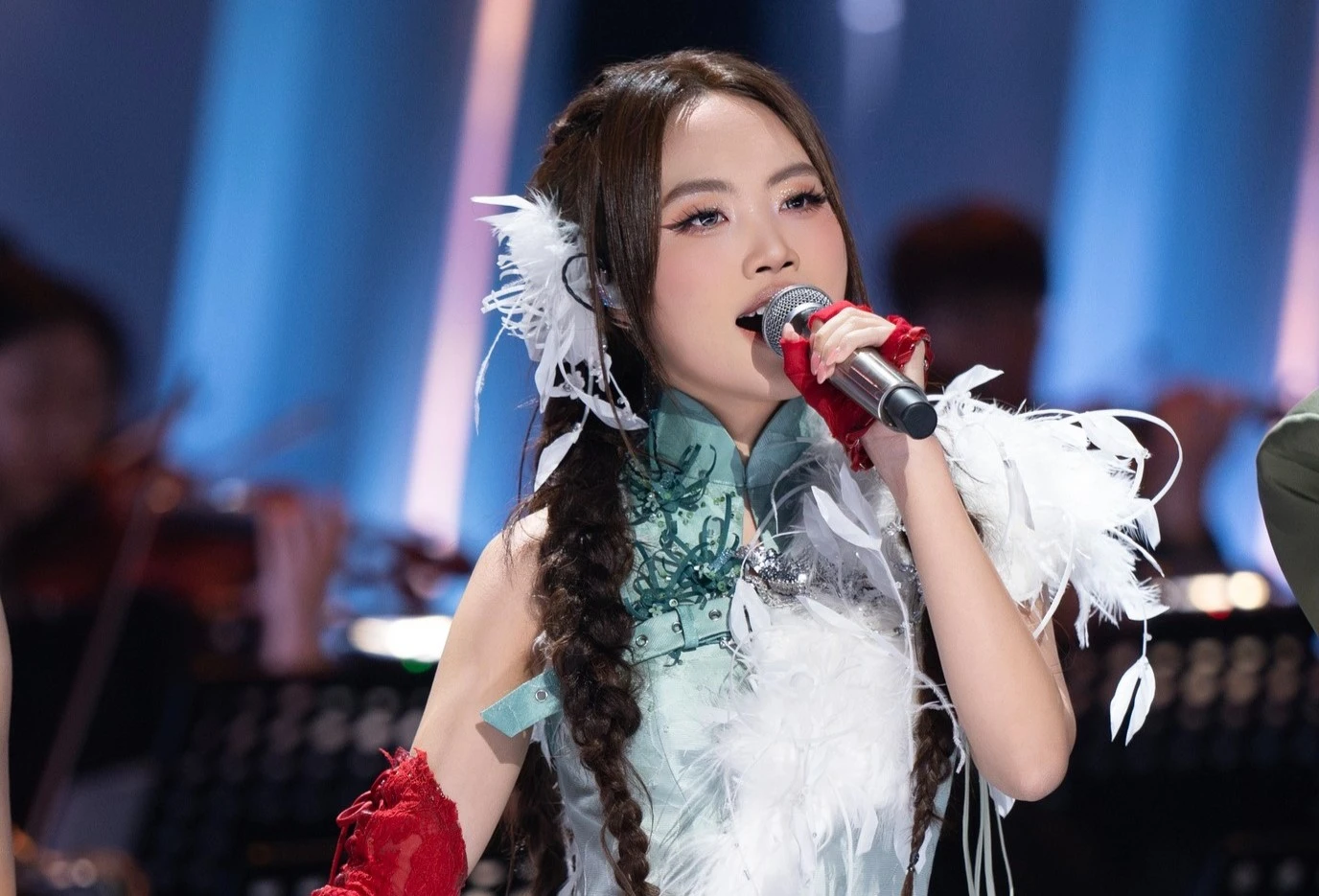
Looking back at Phương Mỹ Chi’s career, Dân Chơi Dân Ca is not a sudden turn toward Vietnamese culture, it is the continuation of a musical language she has been building for years.
Folk music has been at the heart of Phương Mỹ Chi’s artistic identity since the beginning of her career in 2013. Rather than leaving those roots behind as she grew into a contemporary Pop artist, she has gradually expanded the ways in which Vietnamese traditional music can exist within modern sounds.
With Vũ Trụ Cò Bay in 2023, that approach became more and more intentional. The album brought Vietnamese literature and folk traditions into contemporary Pop, blending elements of Vietnamese Southern folk music, Northern folk melodies and Bolero with modern genres such as R&B, Dance Pop and Future Bass. Songs like “Buôn Trăng” and “Rock Hạt Gạo” became examples of how familiar Vietnamese cultural references could be transformed into contemporary Pop without losing their original spirit.
Her experimentation continued through Em Xinh “Say Hi”, where traditional Vietnamese sounds appeared in a distinctly modern entertainment format. In “Cầm Kỳ Thi Họa”, Phương Mỹ Chi brought Northern Vietnamese folk influences into a contemporary electronic arrangement, with the performance drawing inspiration from the traditional tứ bình motif and the four classical arts of cầm, kỳ, thi, họa. Most notably, she wrote and performed the outro, giving the ending a distinctive Quan họ Bắc Ninh character.
In “HỀ”, she took that exploration further into Hát Bội and Cải Lương (Vietnamese Opera), placing traditional theatrical vocal styles alongside Pop, rap and musical-theatre elements. Her opening section carries the distinctive ornamentation and phrasing of traditional tuồng singing, creating a striking contrast with the contemporary structure of the song.
Then came Sing! Asia 2025, where these cultural materials moved beyond the domestic Pop landscape and onto an international stage. “Buôn Trăng” drew from Hàn Mặc Tử’s Đây Thôn Vĩ Dạ, while “Rock Hạt Gạo” transformed Vietnamese folk influences into a modern rock performance. The staging itself incorporated cultural imagery including áo tứ thân, nón quai thao, the image of Vovinam and bài chòi.
Across these projects, what stands out is not simply the number of traditional elements Phương Mỹ Chi has used, but the way she keeps expanding their possibilities. Quan họ, cải lương, hát bội, Vietnamese Southern folk music, Bolero, Northern folk melodies and Vietnamese literary traditions are no longer treated as separate from contemporary Pop, they have become part of its vocabulary.
And perhaps this is where Phương Mỹ Chi’s contribution becomes most meaningful.
She is not simply preserving traditional culture by keeping it unchanged. She is creating new contexts for it to be heard, seen and experienced by a younger generation, and increasingly, by audiences beyond Vietnam.