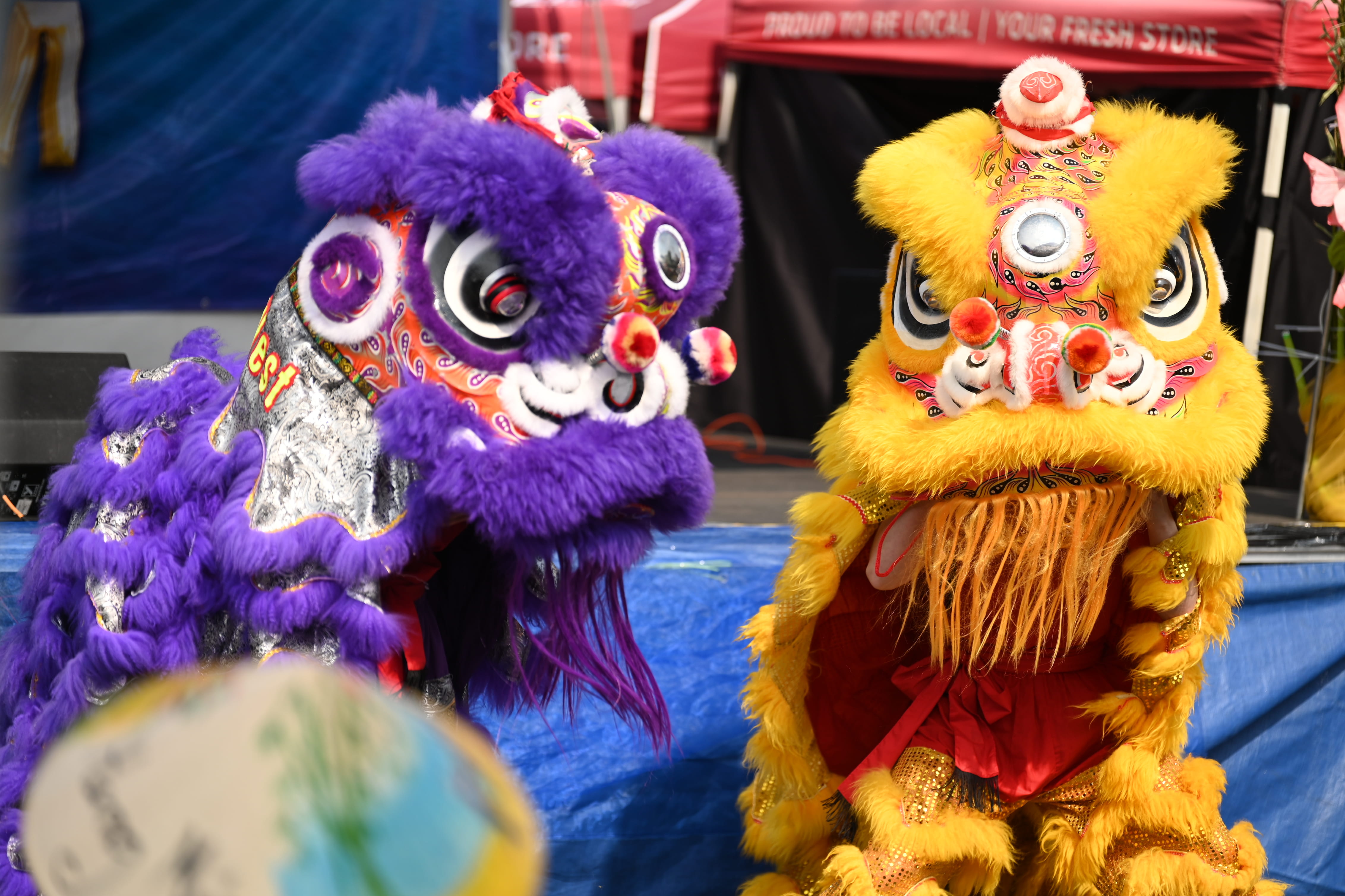
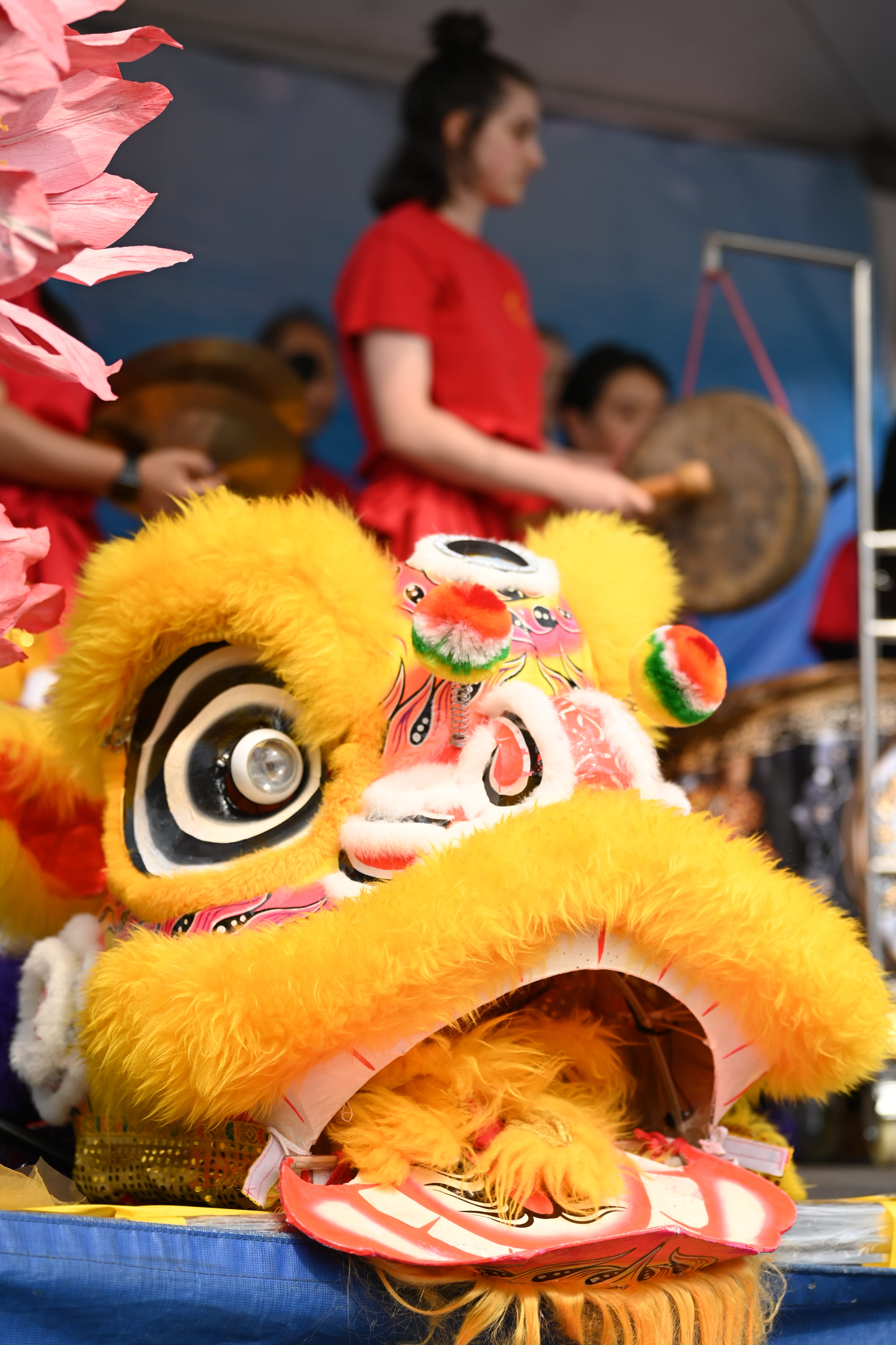
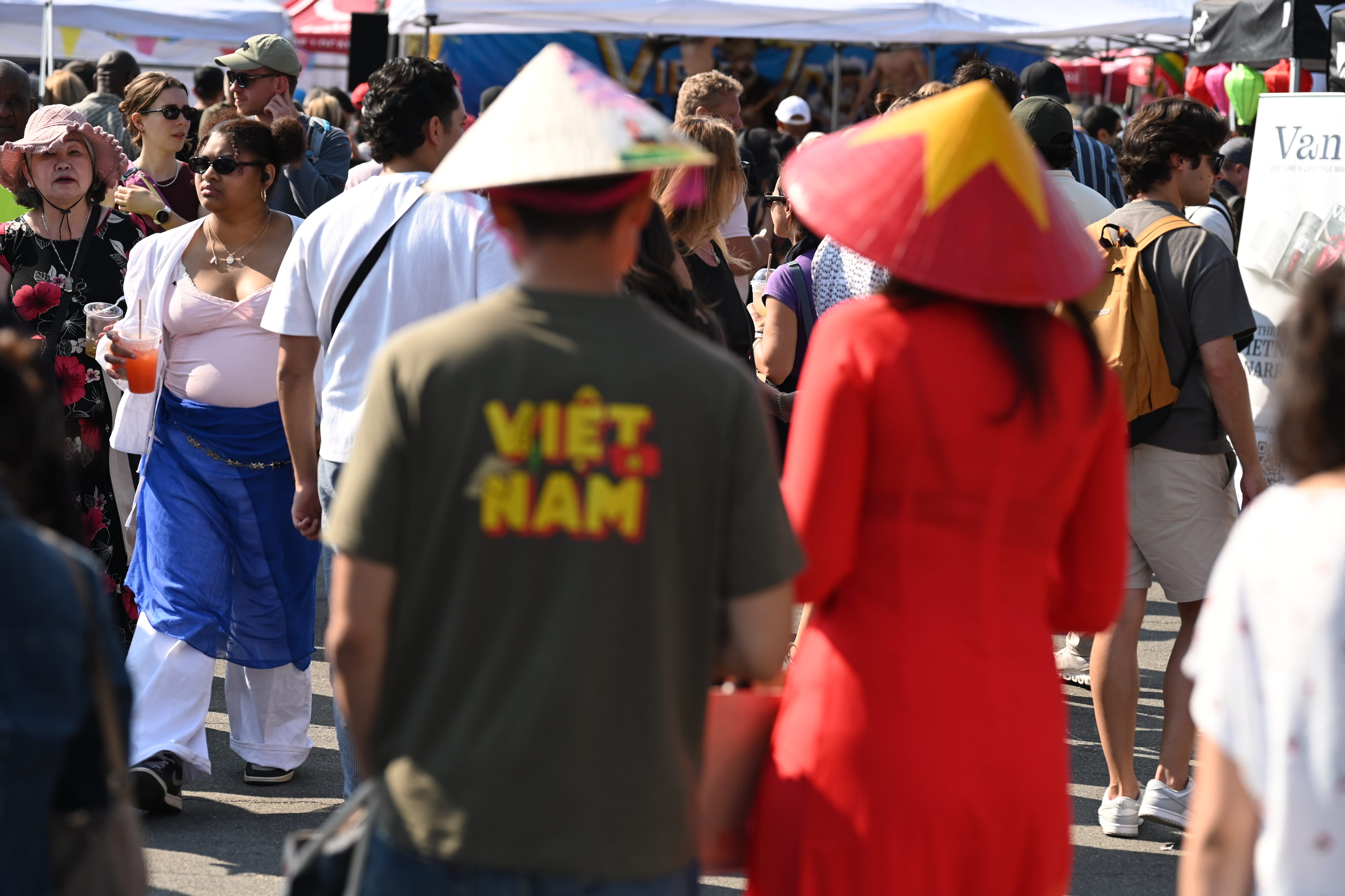
By mid-morning on Aug. 16, 2026, Ship Point was already becoming something else. The Inner Harbour, familiar to most Victorians as a backdrop for whale-watching boats and tourist foot traffic, had been transformed into a Vietnamese cultural village stretching from the waterfront to the festival boundary, with the smell of broth and lemongrass drifting across the docks and the sound of a lion dance carrying over the water.
There is something particular about a festival that is genuinely built from the inside. Not curated by a cultural institution or programmed by a civic committee, but assembled by people who grew up with the music, who remember the food, who have a personal stake in whether the thing is done right. The Soul of Vietnam Festival has that quality. You can feel it in the details. In the care of the performances. In the fact that more than 70 volunteers showed up to make a Sunday in August feel like something worth remembering.
Now in its second year at Ship Point in Victoria’s Inner Harbour, the festival has moved well past the novelty of its debut. It is establishing itself as one of the most distinctive events on the city’s summer calendar, not because it is the largest or the loudest, but because it is specific. It knows what it is. And what it is, is a celebration of Vietnamese culture that is genuinely open to everyone.
What the day held
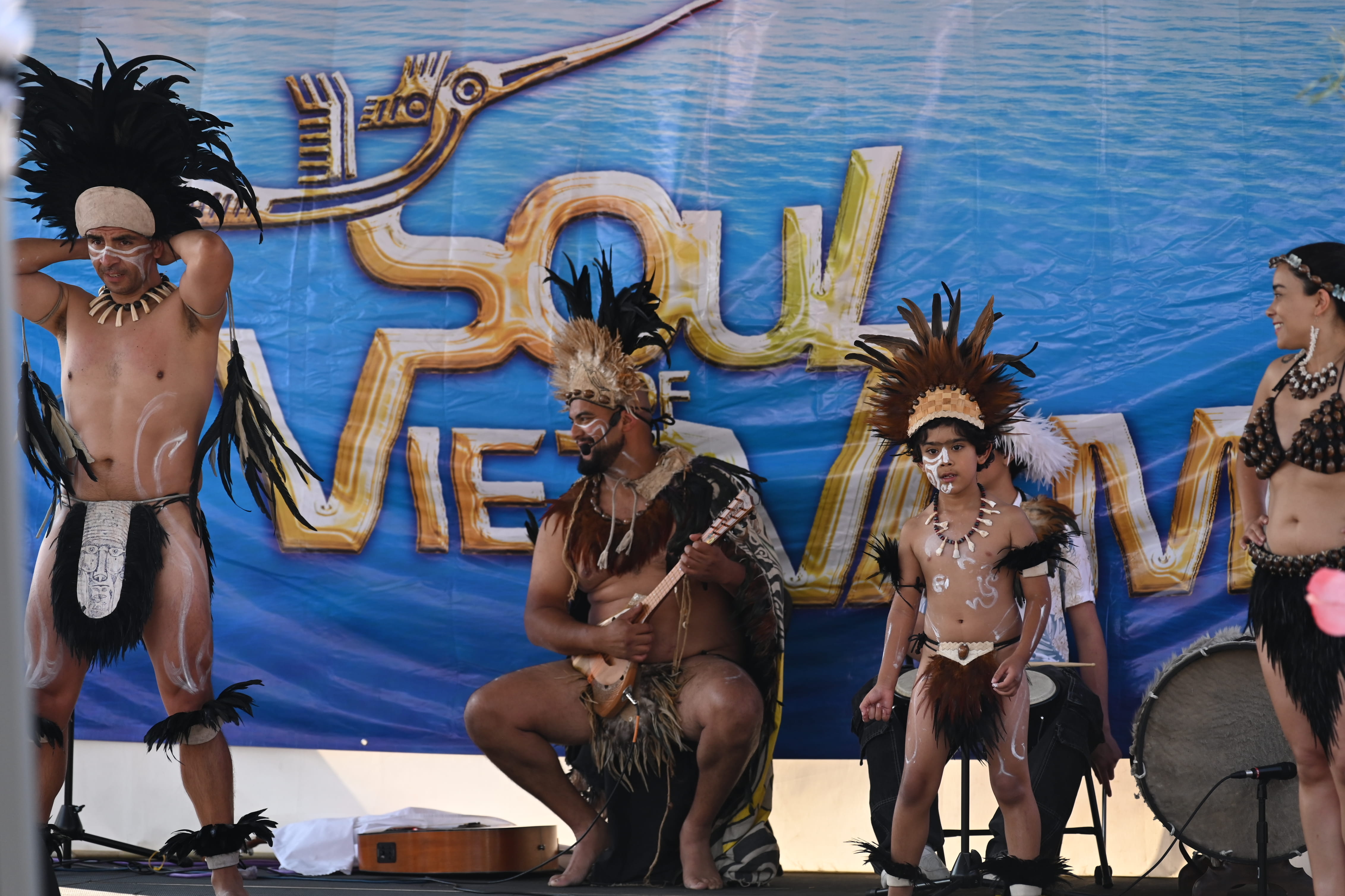
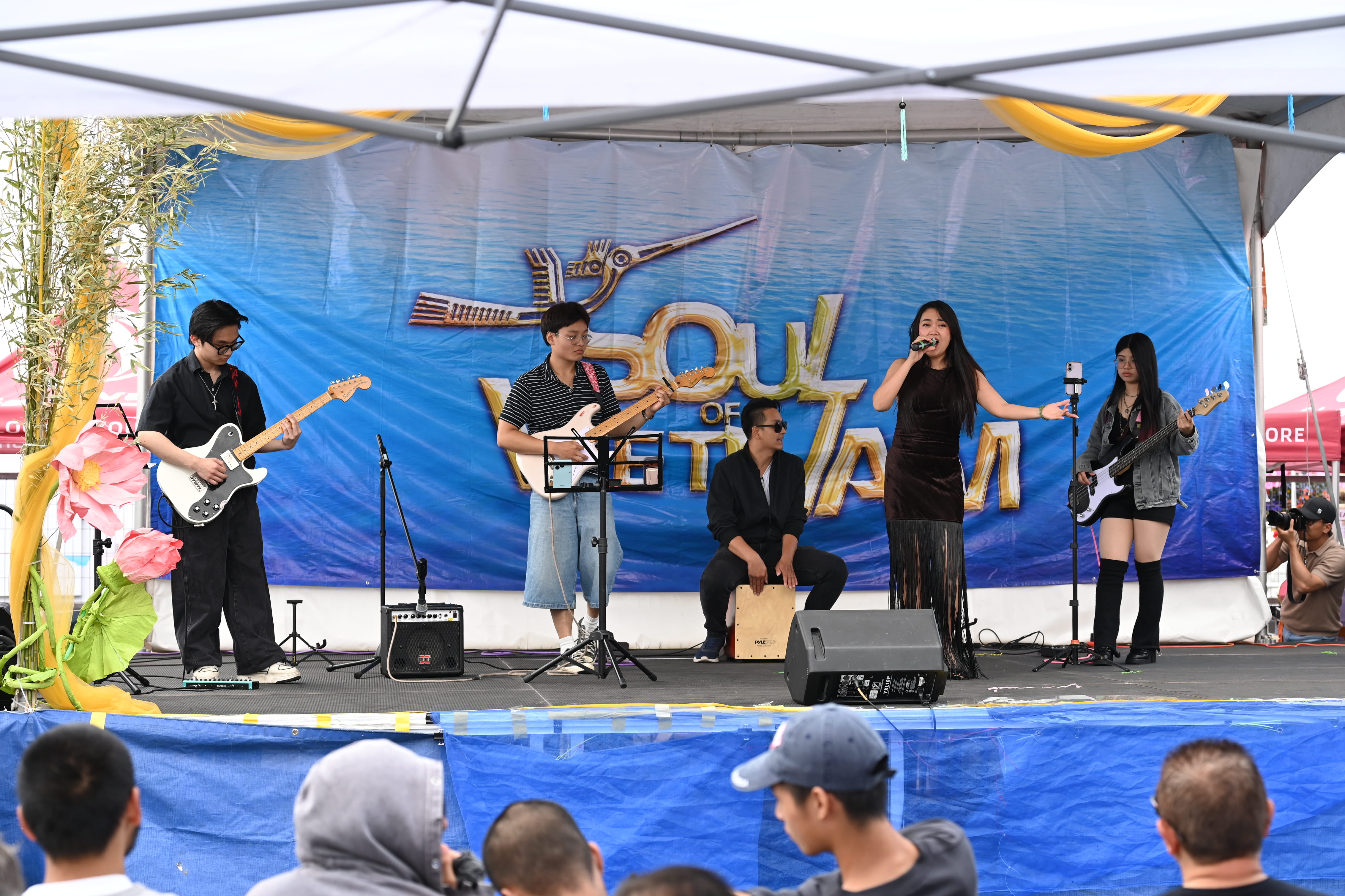
The festival’s programing this year reflected both the depth and the breadth of Vietnamese cultural expression. Classical theatrical traditions sat alongside southern folk music and contemporary performance. A bamboo flute quieted a crowd that a lion dance had just energized. And in one of the day’s more unexpected moments, a Rapa Nui cultural ensemble from Easter Island shared the stage with Vietnamese performers in a meeting of traditions that felt less incongruous than it sounds, two communities finding common ground in the act of public cultural expression.
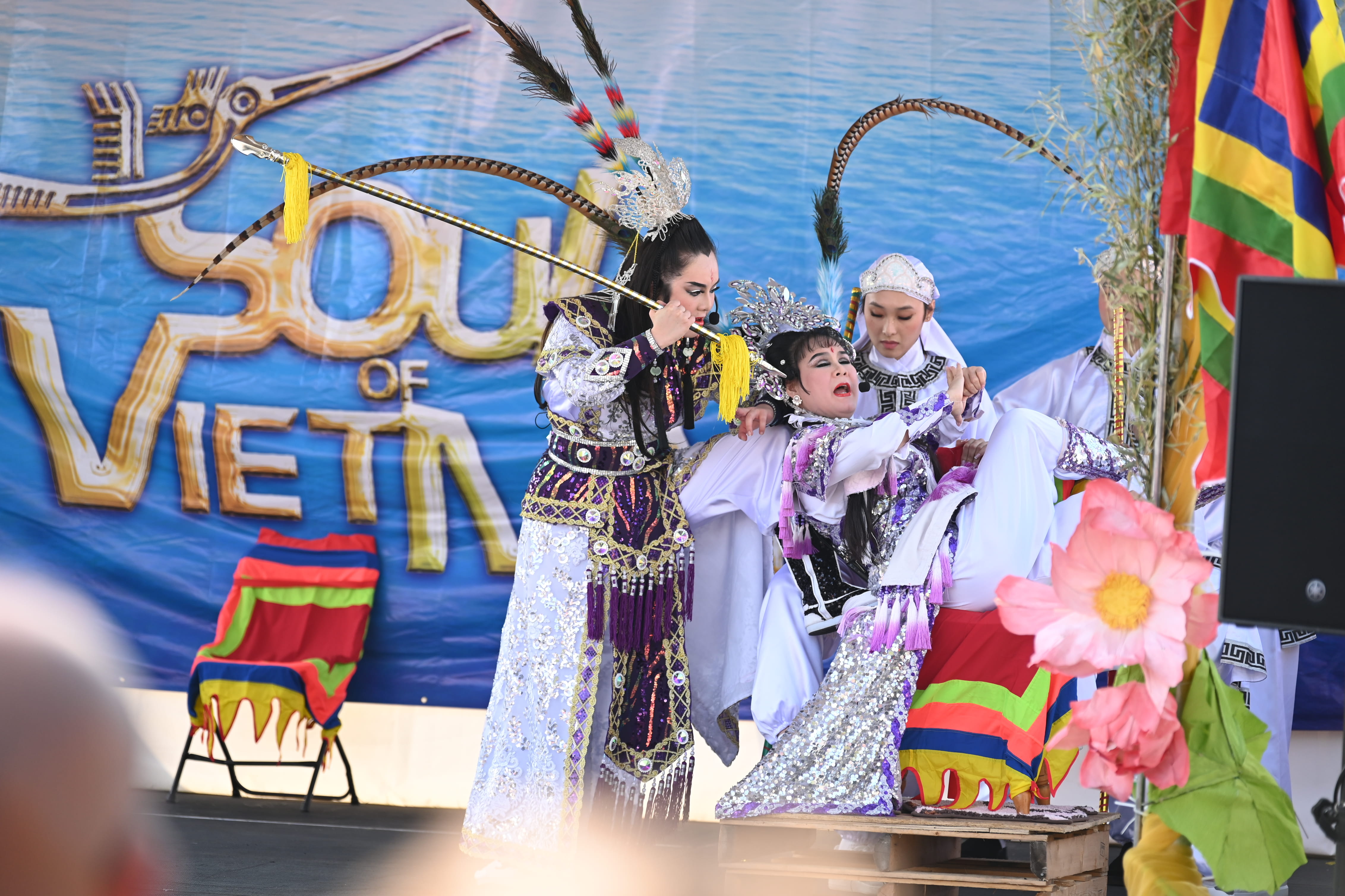
The Vietnamese traditional theater, making its debut at the festival this year, was among the most significant additions to the program. Tuồng, as a form, carries centuries of theatrical refinement: elaborate costuming, codified symbolic gesture, stories of loyalty and sacrifice told through a performance vocabulary that requires years to master. To see it on a waterfront stage in British Columbia, before an audience that included many people encountering it for the first time, was the kind of cultural moment that exists to remind you how much there is still to discover.
Vọng Cổ, the melodic southern Vietnamese form rooted in Cải lương tradition, offered a different register entirely: quieter, more interior, built on a single foundational melody around which a singer improvises with deep ornamentation. It is the sound of longing and distance and it tends to do something specific to people who grew up hearing it in Vietnamese households far from home.
Food, craft and the texture of the day
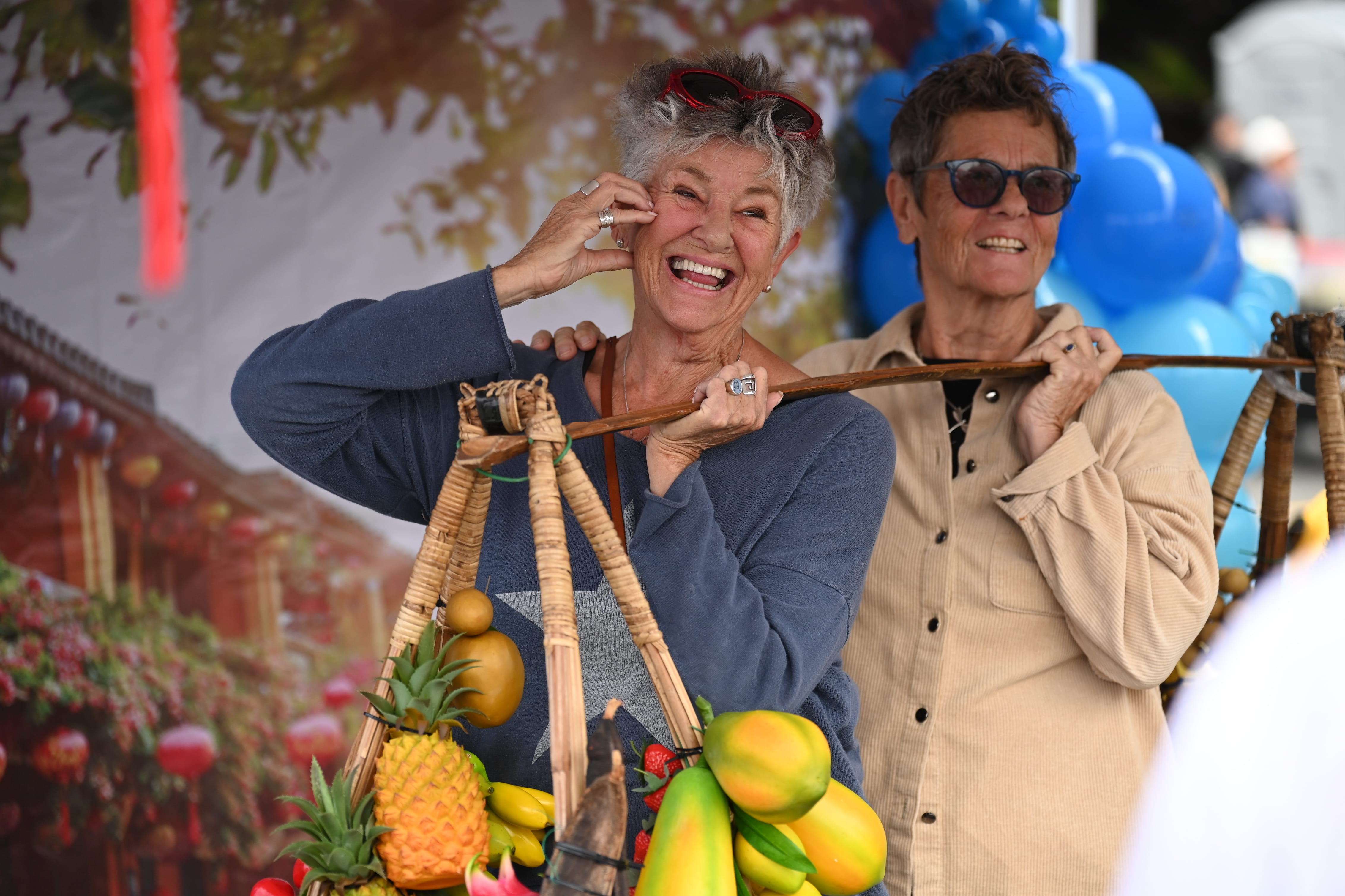
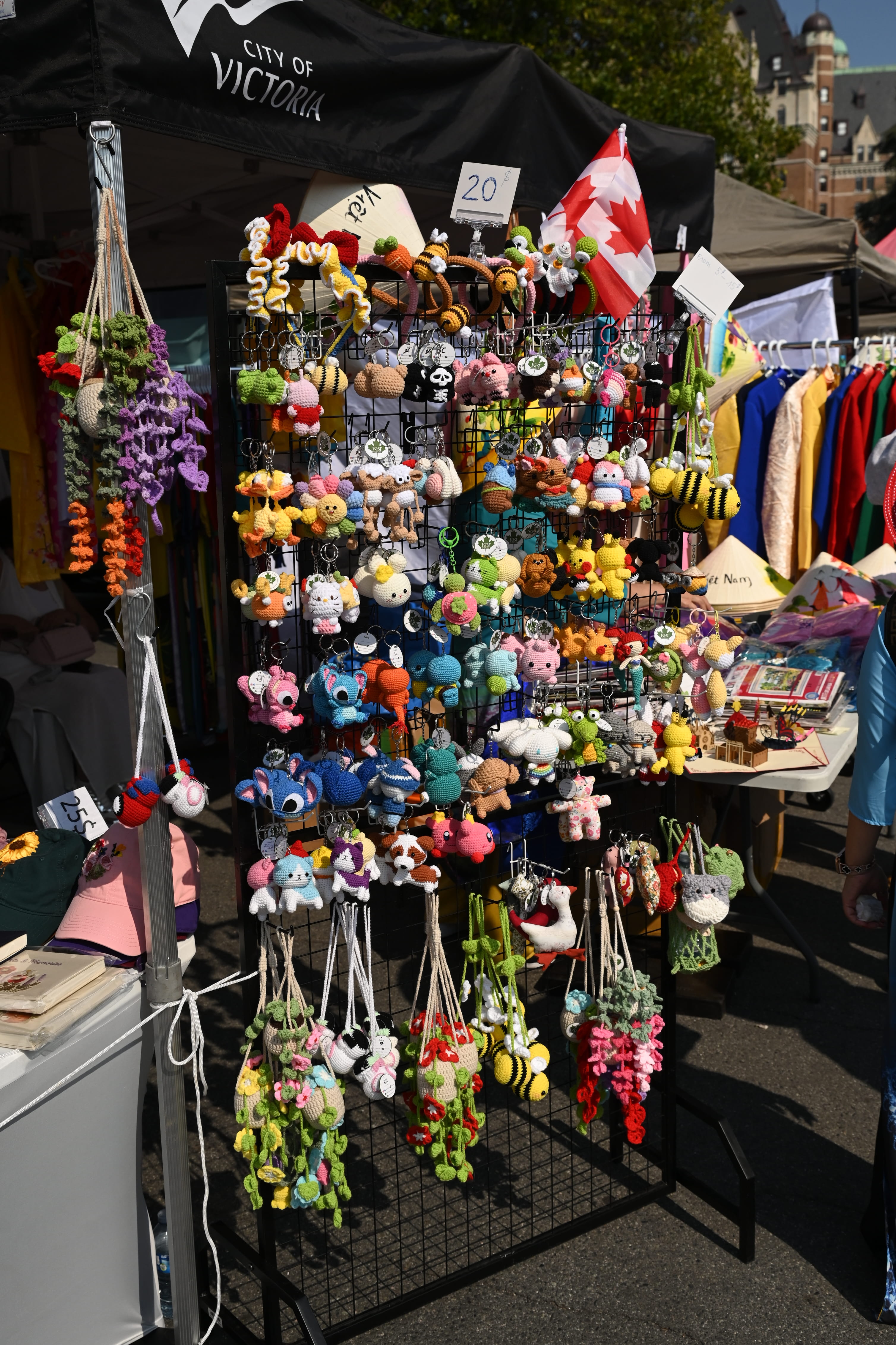
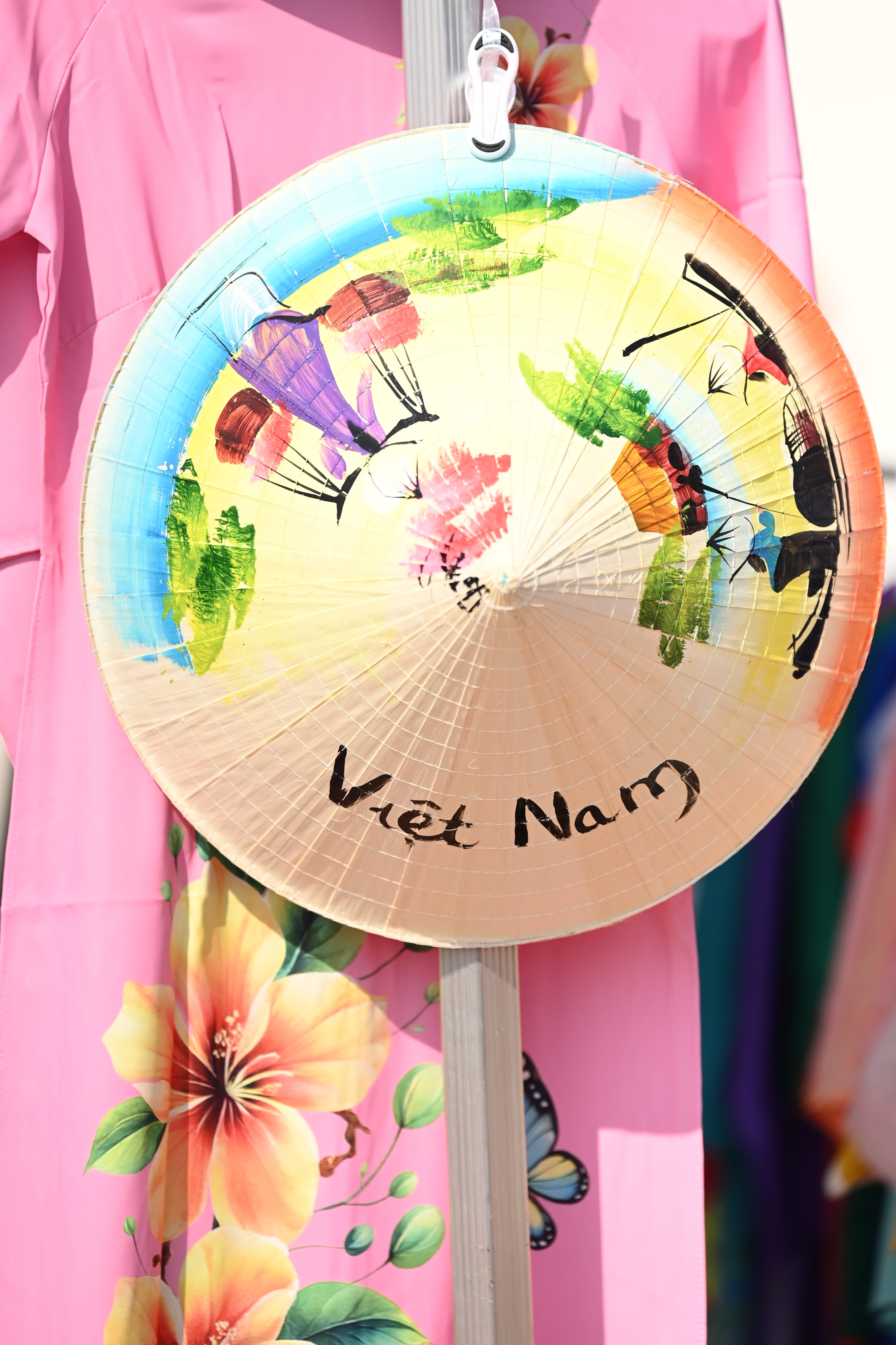
The vendor area, with more than 40 food and craft stalls, was where the festival’s communal life was most visible. People moved slowly, ate standing up, handed things to each other to try. The Kids Zone drew families with traditional Vietnamese childhood games, face painting and a photobooth, creating the kind of multigenerational participation that a cultural festival either has or it doesn’t.
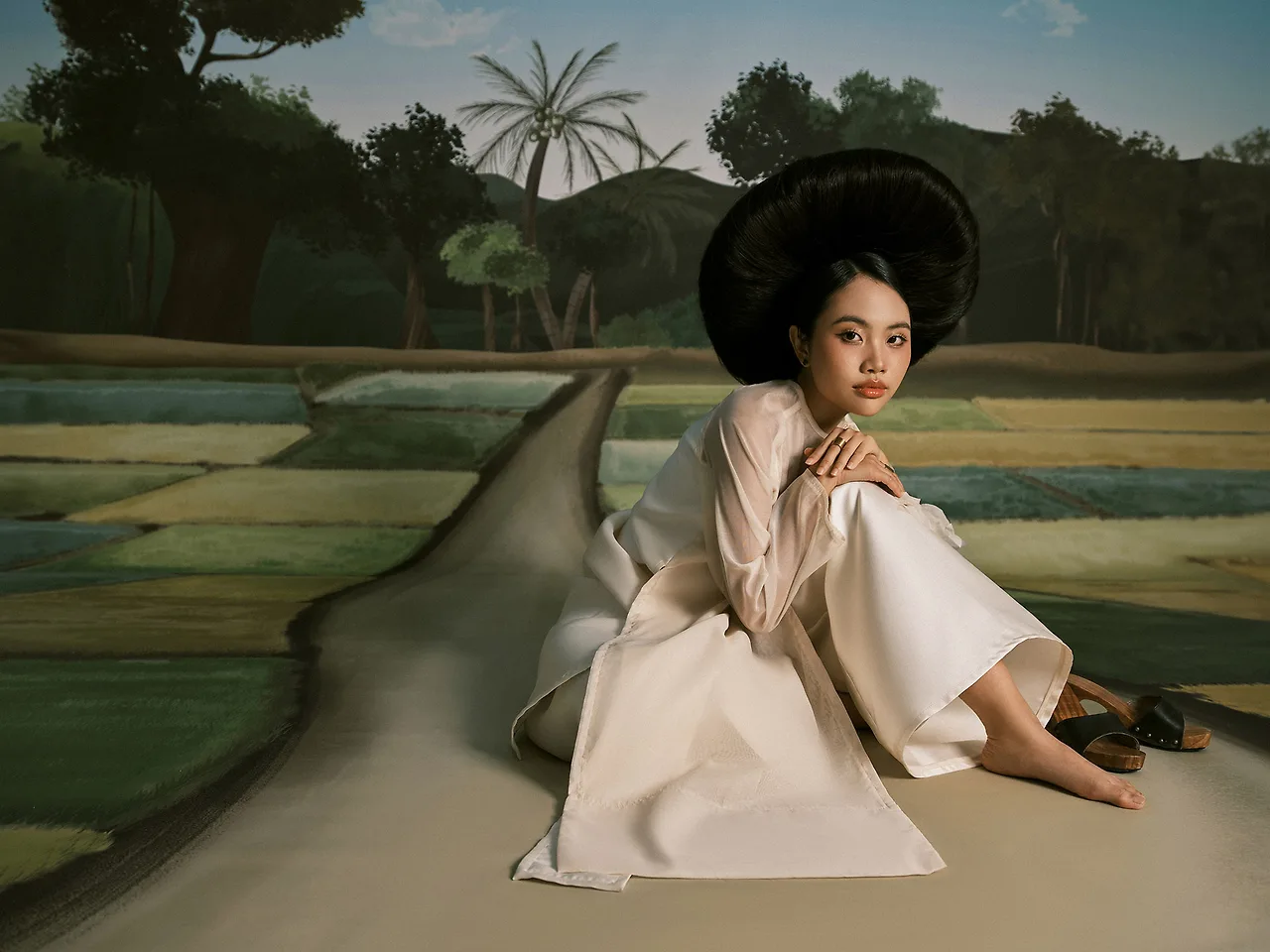
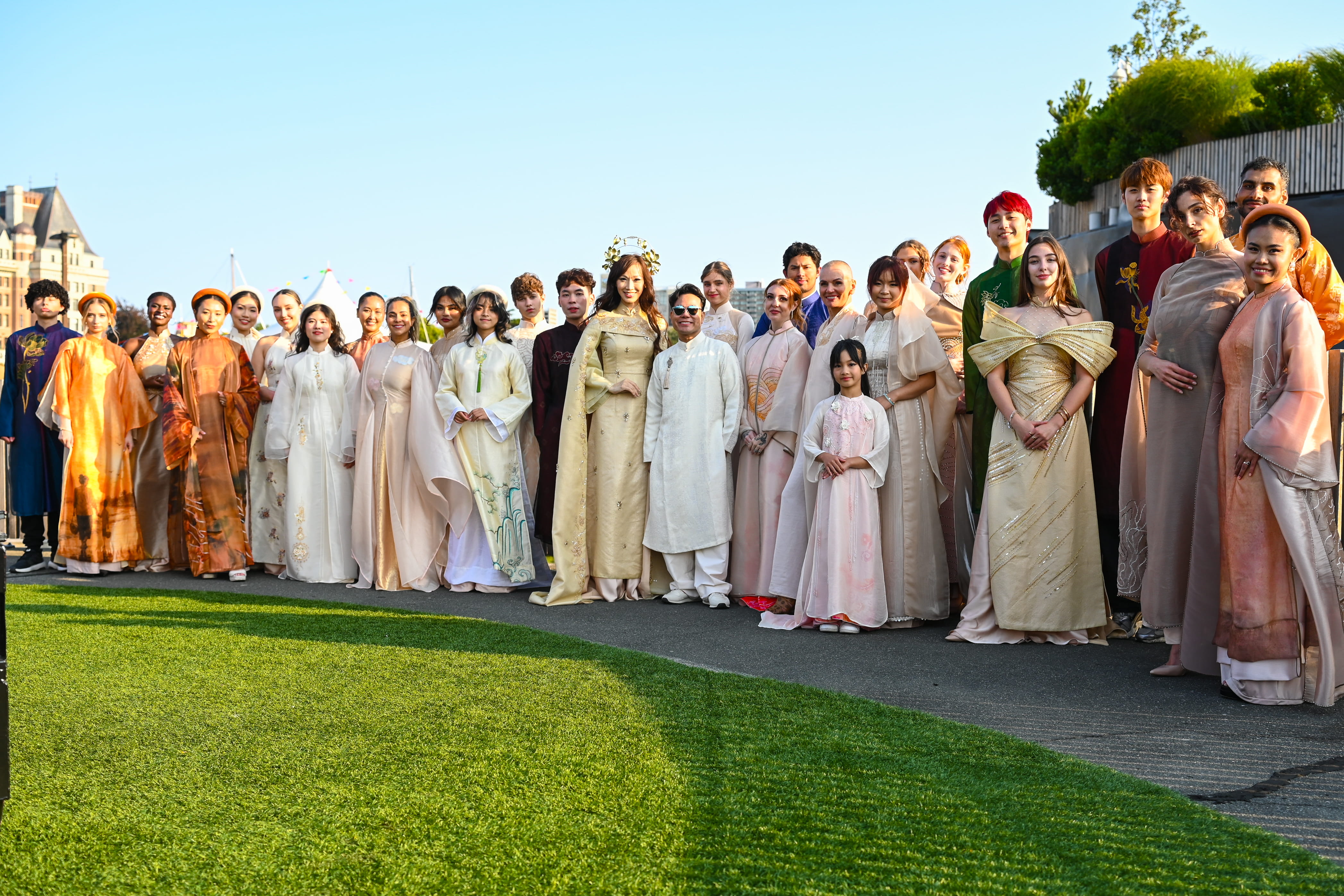
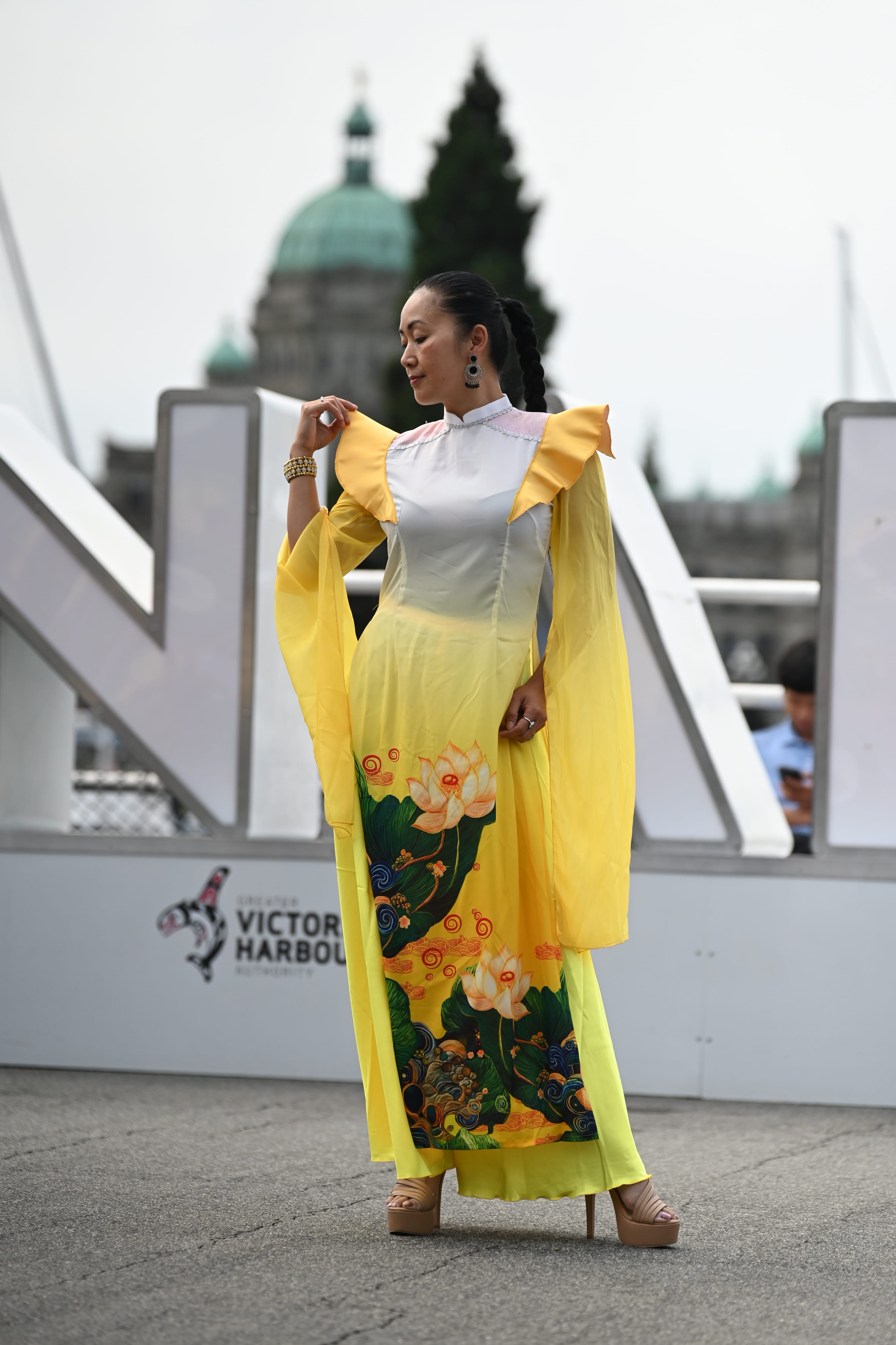
The fashion show, which ran in the late afternoon, brought Vietnamese áo dài and bridal design to the waterfront in the festival’s first dedicated runway event. A fuller account of that appears in a separate piece. What registered from the crowd was a kind of attentive pleasure, the particular engagement of an audience that had not quite expected to see this kind of fashion on this particular stage.
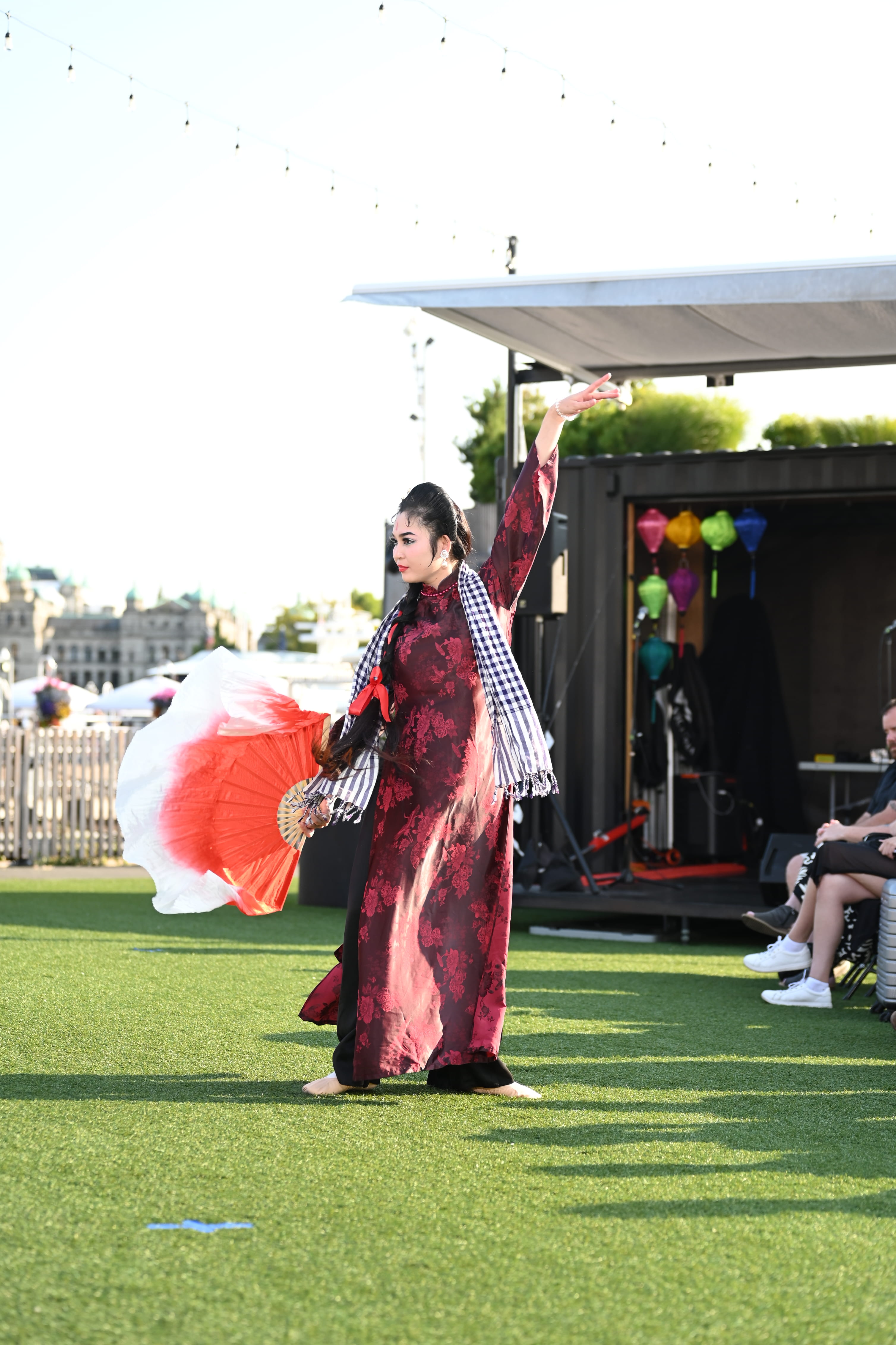
“For me, this is more than just a festival, it’s a community celebration,” said Will Nguyen. “It’s an opportunity for Vietnamese people living far from home to come together, celebrate our culture and share it with friends from all backgrounds who are curious to learn more about our heritage.”
Built by the community
That description was visible in the crowd, in the way different groups moved through the same space and found reasons to stop at the same stalls, watch the same performances, take photographs in the same spots. The Vietnamese community in Victoria has deep roots, supported by organizations and institutions that have existed quietly and effectively for decades. The Soul of Vietnam Festival makes those roots visible, once a year, in one of the most public spaces the city has.
The Soul of Vietnam Festival makes those roots visible, once a year, in one of the most public spaces the city has.
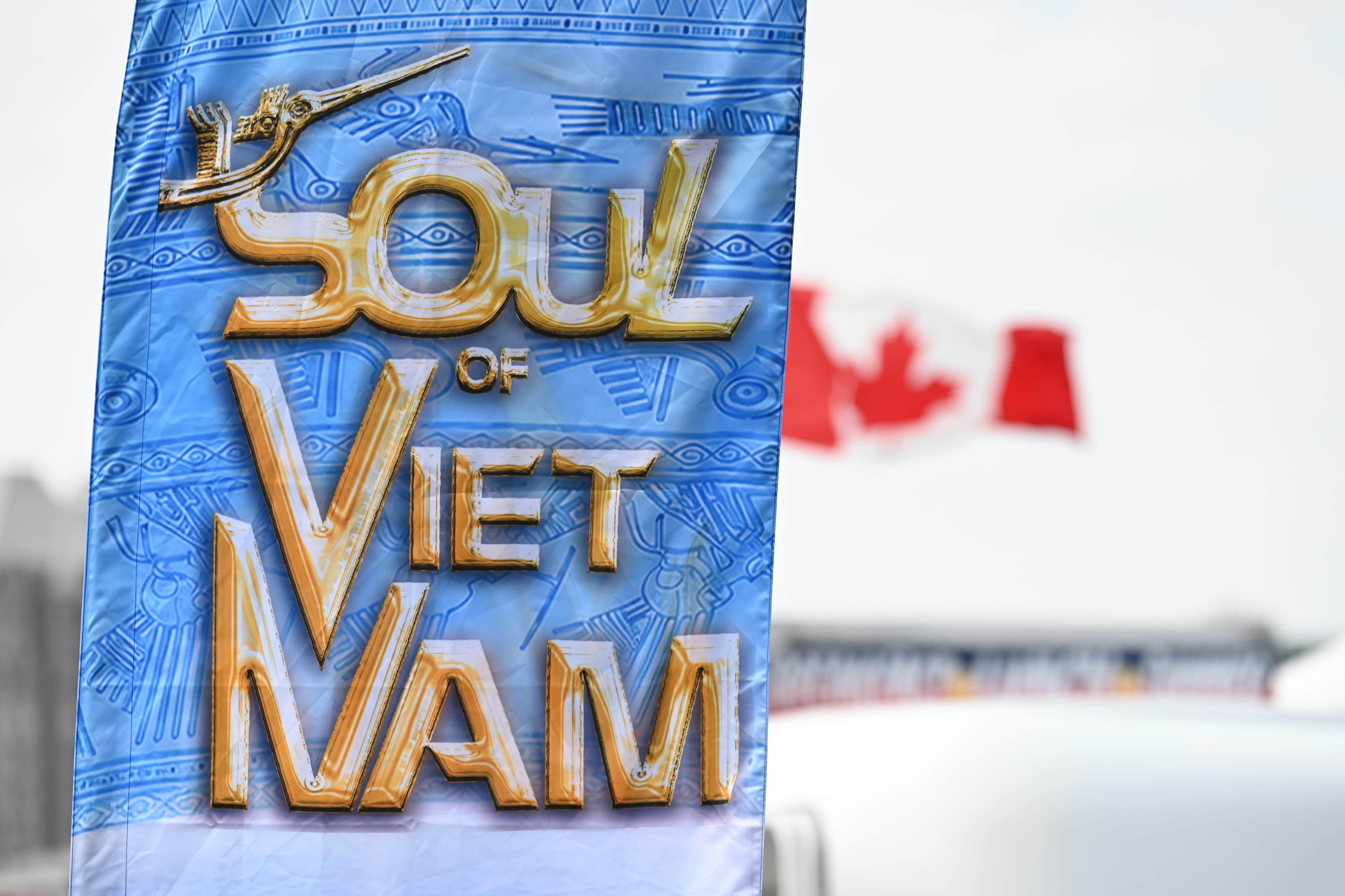
The Soul of Vietnam Festival is organized by the Soul of Vietnam Foundation.